Thirteen New Wildland Fires Confirmed as Northeast Region Monitors 42 Active Fires
THUNDER BAY – Ontario fire crews confirmed 13 new wildland fires in the Northeast Fire Region on Wednesday, July 29, including five fires that remained not under control as of the province’s 6:25 p.m. update.
The largest new fire, Cochrane 48, was estimated at 25 hectares and was being observed about 27 kilometres south of Fort Albany.
Although the fires are outside Northwestern Ontario, conditions elsewhere in the province can affect the availability and movement of firefighting aircraft, personnel and other emergency resources. Smoke may also travel considerable distances depending on wind direction and atmospheric conditions.
New Fires Reported in Sudbury, Chapleau and Cochrane Areas
The following fires were confirmed July 29:
Sudbury 32 was 0.1 hectares and located about two kilometres southwest of Markstay and one kilometre north of Nepewassi Lake Road. The fire was under control.
Sudbury 33 was 0.1 hectares and located at the south end of Island Lake, about 1.75 kilometres east of Wolf Lake. The fire was not under control.
Sudbury 34 was estimated at five hectares and located about half a kilometre southwest of Hider Lake and five kilometres east of Armstrong Lake. The fire was not under control.
Sudbury 35 was 0.1 hectares and located about one kilometre west of Mozhabong Lake and six kilometres east of Jackson Lake. The fire was not under control.
Sudbury 36 was 0.5 hectares and located about 1.4 kilometres northwest of Patsy Lake and 1.2 kilometres southeast of Plantes Road. The fire was not under control.
Sudbury 37 was 0.1 hectares and located about 1.5 kilometres west of Lac aux Sables and three kilometres southeast of Five Star Lake. The fire was not under control.
Chapleau 14, Chapleau 15 and Chapleau 16 were located along Melwel Road near Red Rock Lake. The fires measured 0.2, 0.1 and 0.1 hectares, respectively. All three fires were extinguished.
Chapleau 17 was 0.1 hectares and located along Melwel Road, about half a kilometre east of Basswood Lake and half a kilometre south of Red Rock Lake. The fire was extinguished.
Chapleau 18 was 0.1 hectares and located along Melwel Road near Red Rock Lake, about half a kilometre east of Basswood Lake. The fire was extinguished.
Chapleau 19 was 0.1 hectares and located along Melwel Road, about 200 metres east of Basswood Lake. The fire was extinguished.
Cochrane 48 was estimated at 25 hectares and located about 27 kilometres south of Fort Albany. The fire was being observed.
Five Fires Remain Not Under Control
There were 42 active wildland fires across the Northeast Fire Region at the time of the update.
Of those fires:
- Five were not under control.
- Two were being held.
- Two were under control.
- Thirty-three were being observed.
A fire classified as not under control is continuing to spread or may spread beyond existing control lines. Conditions and classifications can change as crews assess fire behaviour, weather and available suppression options.
The Ministry of Natural Resources said the provincial interactive fire map is updated throughout the day using information collected by more than 130 weather stations across Ontario’s fire regions.
Why the Northeast Fire Situation Matters in Northwestern Ontario
Wildland fire operations are co-ordinated across Ontario, meaning crews, helicopters, waterbombers and equipment can be reassigned as conditions change.
A growing number of fires in one region may place additional demands on provincial resources during periods when Northwestern Ontario is also experiencing hot, dry or windy weather.
Smoke from distant fires can also affect air quality hundreds of kilometres from the source. Residents should rely on official air-quality statements and local public-health advice when smoke is present.
Remote and Indigenous communities may face additional challenges from wildfire smoke, transportation disruptions and limited evacuation routes. Changes in fire activity should therefore be monitored even when the flames are not immediately threatening a community.
Stay Clear of Waterbombers
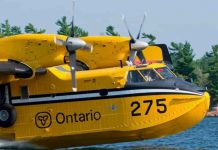
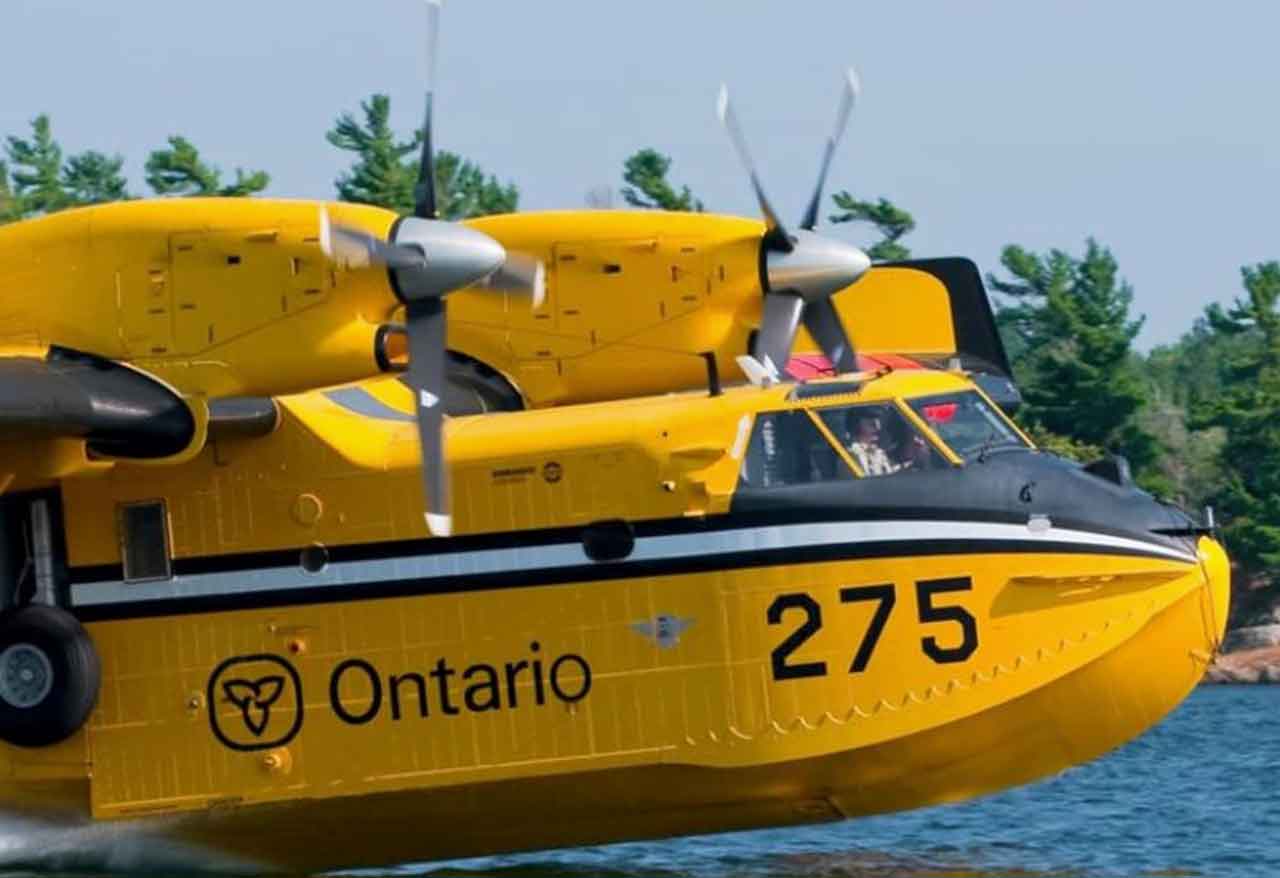
Boaters are reminded to move close to shore when waterbombers approach a lake or river.
Pilots will not scoop water when boats or other watercraft create a safety hazard. Keeping the required area clear allows aircraft to collect water and return to a fire without unnecessary delays.
Ontario Outdoor Burning Rules Remain in Effect
Ontario’s legislated fire season runs from April 1 to Oct. 31.
The province recommends composting yard waste or taking woody debris to a local landfill instead of burning it.
Where outdoor burning is permitted, fires must be lit no earlier than two hours before sunset and extinguished no later than two hours after sunrise.
Anyone burning outdoors must have enough water, tools and equipment available to control the fire. Residents living within municipal boundaries must also check with their local fire department about permits, fire bans and additional restrictions.
Conditions can change quickly, and local or regional fire restrictions may be imposed when the fire hazard increases.
How to Report a Wildland Fire
To report a wildland fire north of the French and Mattawa rivers, call 310-FIRE, or 310-3473.
To report a wildland fire south of the French or Mattawa rivers, call 911.
Current fire information, restrictions and prevention guidance are available through Ontario’s wildland fire information services and interactive fire map.
Source: Aviation, Forest Fire and Emergency Services, Ontario Ministry of Natural Resources. Information current as of 6:25 p.m. EDT on July 29, 2026.