Unauthorized Drone Flight Reported Over Nipigon Wildfires
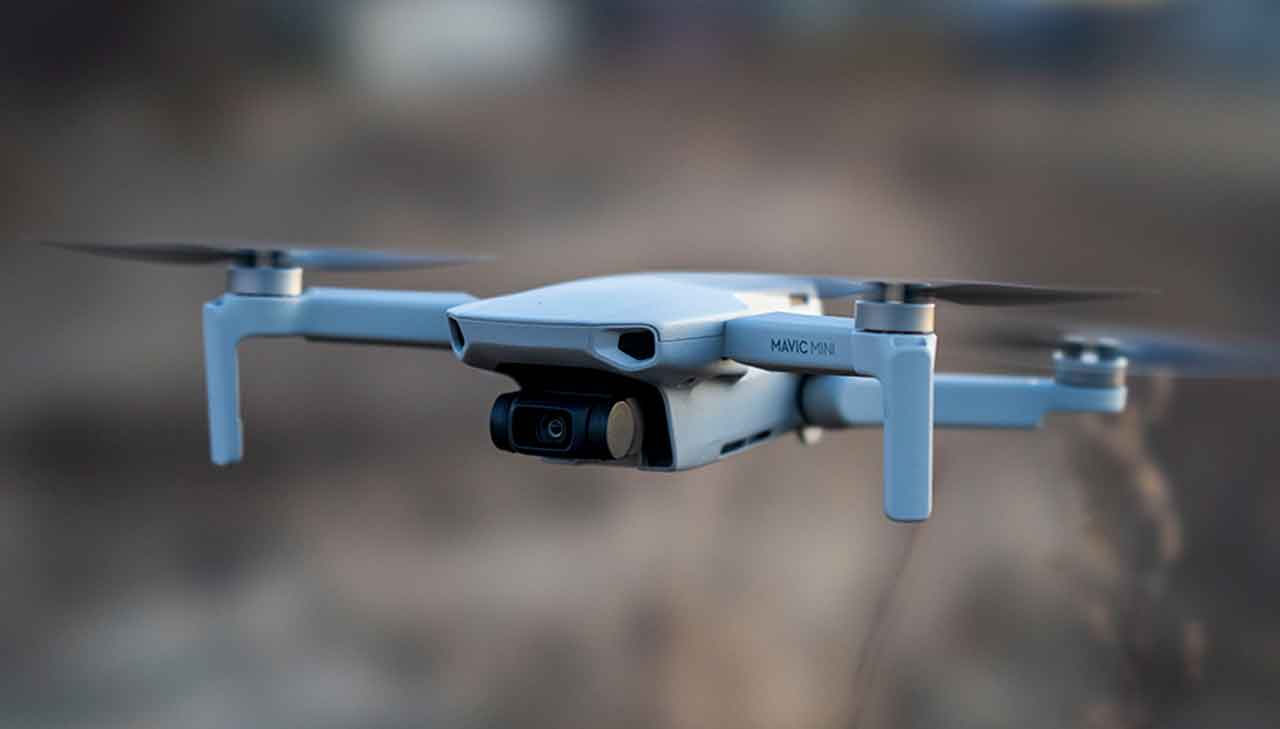
GREENSTONE — Wildland fire officials are warning drone operators to stay away from active fires after an unauthorized drone was reportedly flown over Nipigon 38 and Nipigon 39.
The Greenstone Fire Management Headquarters said video recorded in the restricted airspace was posted online and included information identifying where and how the footage was captured.
No charges or enforcement action were announced in the information released by fire officials.
Drone Could Force Firefighting Aircraft to Leave Area
Unauthorized drones create a collision risk for waterbombers, helicopters and other aircraft working at low altitude around active fires.
When a drone is detected near a wildfire, aircraft may have to suspend operations or leave the area until officials confirm the airspace is safe. That can delay water drops, crew transportation, fire mapping and the movement of equipment.
Those delays can place pilots, firefighters, emergency responders and nearby communities at greater risk.
Transport Canada warns that unauthorized drone flights near wildfires increase the possibility of a mid-air collision and can force emergency aircraft to be grounded.
Federal Rules Create Automatic Wildfire Exclusion Zone
Section 601.15 of the Canadian Aviation Regulations prohibits unauthorized aircraft from flying over a forest fire or within five nautical miles — approximately 9.3 kilometres — of the fire while below 3,000 feet above ground level.
The restriction applies to drones in every weight category, including models weighing less than 250 grams.
The basic wildfire airspace restriction takes effect automatically. A separate Notice to Airmen, commonly known as a NOTAM, does not need to be issued for the five-nautical-mile restriction to apply.
Transport Canada may issue a NOTAM to establish additional or expanded restrictions around a fire.
Drone Operators Must Check NOTAMs Before Launching
Pilots are responsible for checking applicable airspace restrictions and active NOTAMs before every flight.
NAV Canada’s Collaborative Flight Planning Services provides geographically referenced weather and NOTAM information. Drone operators should also review NAV Drone information, but NAV Canada says its Collaborative Flight Planning Services remains the official source for Canadian NOTAMs.
Seeing no firefighting aircraft overhead does not mean it is safe or legal to launch a drone.
Aircraft may arrive quickly, fly below smoke or approach from beyond the operator’s field of view.
Operators Could Face Multiple Penalties
Transport Canada says individuals can face fines of up to $3,000 for flying a drone where it is prohibited and up to $3,000 for putting aircraft or people at risk.
Corporations can face fines of up to $15,000 for each of those violations. More than one penalty may be imposed when multiple rules are broken.
Transport Canada also warns that serious violations involving restricted airspace or danger to piloted aircraft can result in fines or imprisonment.
Any penalty would depend on the findings of an investigation and the enforcement process.
The Greenstone Fire Management Headquarters did not identify the drone operator in its public warning.