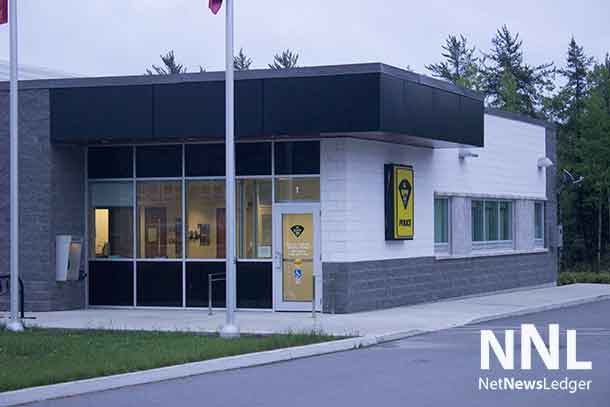
Practical Thunder Bay safety tips on avoiding risk, staying alert and reporting crime
THUNDER BAY — Personal safety in Thunder Bay starts with awareness, planning and a willingness to report suspicious or criminal activity when it happens.
Across social media people are sharing images, videos and incidents that have happened to them. People are feeling less safe.
That is understandable. Reports like the Woman Assaulted at Boulevard Lake, the man murdered on Red River Road by a man with a hammer, and the man recently killed in his home by an attacker.
Police are doing all they can to keep the city safer, but some of that is up to each one of us as residents.
No safety advice can eliminate risk, and responsibility for crime always rests with the person committing it. But residents, students, workers and visitors can reduce risk by making safer choices while walking, driving, using transit, socializing or travelling across the city.
Know When to Call 911, Police or Crime Stoppers
Call 911 when there is an emergency, a crime in progress, an immediate threat to life or serious injury, or when someone needs urgent police, fire or medical help. Thunder Bay Police Service says priority emergency calls involve a real and current threat to life or serious injury, including crimes in progress where a victim is in danger. The City of Thunder Bay also advises callers to remain calm, give clear answers and provide the exact location of the emergency.
For non-emergency police matters in Thunder Bay, call Thunder Bay Police Service at 807-684-1200. Some non-emergency incidents can also be reported online through the police service’s reporting system. Thunder Bay Police say online reporting can be used for eligible incidents such as theft, vandalism, fraud, traffic violations and missing identification, provided the incident occurred within Thunder Bay Police Service jurisdiction.
Anonymous tips can be submitted to Crime Stoppers at 1-800-222-8477 or through p3tips.com. Crime Stoppers is not for emergencies, but it can be important when someone has information about a crime and does not want to be identified.
What to Avoid While Out in the City
Avoid shortcuts through isolated, poorly lit or unfamiliar areas, especially late at night.
Choose main streets, lit sidewalks, open businesses and areas where other people are present.
Avoid walking while distracted. Keep your phone accessible, but do not stare at it while moving through parking lots, bus stops or streets. Keep at least one ear free if using headphones so you can hear traffic, voices or movement nearby.
Avoid confrontations. If someone is aggressive, intoxicated, threatening or trying to provoke a reaction, create distance and move toward a safer public place. Do not follow a suspect, intervene in a fight or try to recover stolen property by yourself.
Avoid leaving valuables visible in vehicles. Lock doors, close windows and remove wallets, bags, electronics, tools and identification from view. Vehicle break-ins are often crimes of opportunity.
Avoid sharing your real-time location publicly on social media, especially when you are alone, travelling at night or away from home.
Avoid accepting rides from people you do not know or do not trust. Plan your way home before you go out, particularly if alcohol or cannabis will be involved.
What to Do Before You Go Out
Plan your route and your ride home. Let someone you trust know where you are going and when you expect to return.
Charge your phone before leaving, and consider carrying a portable charger if you will be out for several hours.
Carry only what you need. Keep identification, keys and payment cards secure and separate when possible.
Use well-lit entrances, parking areas and sidewalks. When returning to your vehicle or home, have your keys ready before you arrive at the door.
When using ride services, confirm the vehicle, plate number and driver details before getting in. Thunder Bay has local ride-share options, including Uride, and public transit is available within city limits.
Staying Safer on Transit, at Bus Stops and in Parking Lots
At bus stops, wait on the sidewalk and away from the curb. Thunder Bay Transit advises riders to make sure the bus has stopped before approaching. If there is an emergency on a bus, the operator can call a supervisor for help from police, fire or paramedics, and riders who need assistance should ask the operator for help.
In parking lots, scan the area before getting out of or into your vehicle. Park under lights where possible. If something feels wrong, return to a store, workplace or public building and ask for help.
If you believe you are being followed, do not go home. Go to a police station, fire station, open business, hospital or other public place and call for assistance.
Safer Online Marketplace Exchanges
For online buying and selling, avoid meeting strangers at isolated locations, private homes or parking lots with little visibility.
Thunder Bay Police Service has introduced a Safe Trade Zone at police headquarters on Balmoral Street, with designated parking spaces captured by video surveillance for person-to-person exchanges arranged through online marketplaces.
Meet during daylight hours when possible. Bring another person. Do not carry large amounts of cash unnecessarily, and trust your instincts if the other party changes the location at the last minute.
What to Do If You Witness or Experience a Crime
Get to safety first. Then call 911 if there is immediate danger or a crime is happening now.
Be a good witness from a safe distance. Note descriptions, clothing, direction of travel, vehicle colour, licence plate, time, location and whether weapons were seen. Do not put yourself in danger to collect video.
Preserve evidence. Save doorbell camera footage, dashcam video, text messages, social media messages, receipts, photos or screenshots. Do not post sensitive evidence online before police have had a chance to review it.
Report the incident even if it seems minor. Small reports can help police identify patterns, link repeat offenders, allocate patrols and warn the public when necessary.
Why Reporting Crime Matters in Thunder Bay
Unreported crime makes a community problem harder to see. Police cannot investigate incidents they do not know about, and neighbourhood-level patterns may be missed if residents, businesses and victims stay silent.
Reporting also helps protect others. A suspicious vehicle, repeated thefts, harassment, threats, attempted fraud or violence may seem isolated to one person, but similar reports from several people can provide investigators with the timeline and evidence needed to act.
For victims, reporting can also help connect them with supports, documentation for insurance or workplace purposes, and safety planning.
Community Safety Without Stigma
Public safety should not become an excuse to stereotype neighbourhoods, Indigenous people, newcomers, youth, people experiencing homelessness or people living with addictions. Suspicious behaviour should be reported based on actions, threats or evidence, not appearance, poverty or identity.
A safer Thunder Bay depends on practical prevention, timely reporting, good witnesses and a community that looks out for one another.