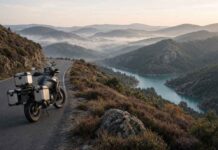
Few things compare to the thrill of an outdoor adventure. Camping or hiking through breathtaking national parks and nature reserves creates memories you’ll treasure for years. Of course, these journeys also bring their share of challenges: unpredictable weather, chilly mornings, and a group eager for a hot meal at the end of the day. That’s when having the right compact camping stove truly makes all the difference between a smooth outdoor experience and unnecessary hassle.
Here’s what you need to know to pick the best camp kitchen gear for your next trip.
Stove Styles That Work in Cooler Climates
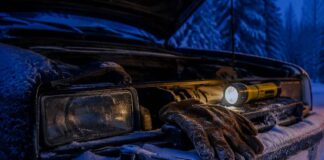
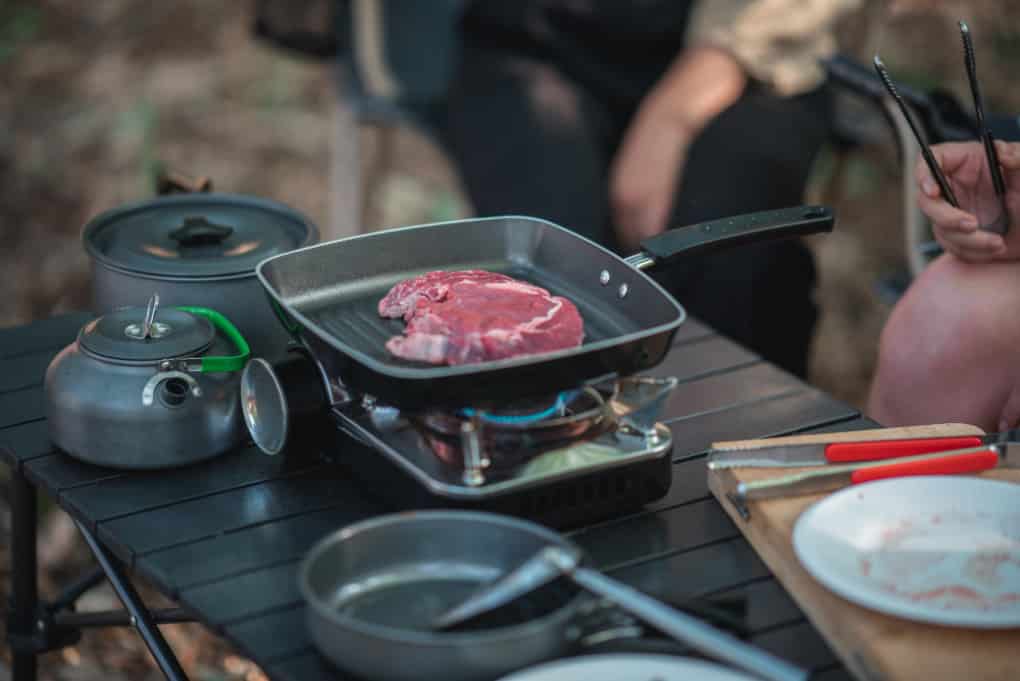
Camping in cold weather or in regions with brisk mornings can be a fantastic winter nature vacation! But this also means that you’ll need a stove that performs well in this kind of environment! Canister stoves, those that use self-sealing butane or isobutane gas canisters, are lightweight and easy for most campers, but some struggle below freezing. On the other hand, alcohol stoves and solid-fuel models can work well, but they tend to lose efficiency and are best saved for fair-weather trips.
If space is tight, consider all-in-one systems where the burner and pot nest together into a single compact unit that fits inside your pack. Some even come with integrated wind shields to boost performance when cooking dinner at exposed campsites!
Comparing Fuel Options for Performance
Fuel choice is just as crucial as stove design, especially for cold-weather outings. Gas canisters are the go-to for ease and speed, and they’re perfect for quick brews or one-pot meals in mild conditions. For trips where the temperature dips closer to freezing, liquid fuel stoves using white gas will far outperform other options, providing longer burn times and more consistent heat!
Be sure to store your fuel properly! Best practices include keeping canisters or bottles sealed, upright, and away from open flames. Many campers bring two fuels for backup: a small canister stove for warm days and a white gas model for colder mornings or group cooking.
Quick Setup That Keeps Wildlife Away
The quicker you get your stove up and cooking, the less time you spend handling food and attracting curious wildlife. To optimize timings, opt for stoves with push-button ignition and stable, wide bases so you don’t have to deal with spills or wobbly pots.
For safety, set up your cooking area on cleared, level ground at least 60 meters from your tent and 30 meters from water sources. Most modern camping stoves have drip trays or removable parts to catch crumbs and residue, making it easier to pack out all food waste and stick to leave-no-trace principles.
Safety and Leave-No-Trace Essentials
Your stove is only as safe as your habits. So, always read the manufacturer’s guidelines, particularly for lighting and extinguishing in damp or windy weather. Of course, never cook inside your tent, and keep a water bottle or sand nearby to douse accidents.
You should also keep in mind the “leave no trace” principles, which include minimizing campfire impact and disposing of waste properly. So, after every meal, check for hot spots and ensure nothing is smoldering, even if the stove is off. Choose reusable pans instead of tinfoil, and, after enjoying your meal, pack out all used fuel canisters and wrappers to protect parks and wildlife.
Learn More About Essential Camping Gear
For tips on enjoying your next camping adventure or minimizing campfire impact, check out our deeper guides to camping ethics and essential gear lists.
The right gear and smart cooking habits mean you can enjoy fresh coffee or a hot dinner no matter how wild the weather turns. Happy camping!