Access control used to mean who could simply enter commercial properties via badges, keys or PIN codes, but that’s all changing today in 2025 as the core concept of access control is being broadly expanded.
As countless organizations embrace the latest digital transformations, the lines between cybersecurity and physical security are increasingly blurrier.
We recently got in touch with the Dayton, OH access control specialists at Garber Electric to get a more in-depth glimpse into the future of access control systems, and what we learned is that businesses of the future will be proactively protecting both data and doors in cutting-edge ways.
So, check out the below sections to learn more about how cybersecurity and physical security are being integrated together to form complex access control solutions!
Why This Ongoing Convergence Is Happening
For many years, digital and physical security strategies operated in separate silos as IT managers handled network security and firewalls—while facility managers handled property security.
But what’s now problematic about modern business threats is that they don’t have any kind of respect for these sorts of boundaries. Cyberattacks are now capable of dismantling physical systems, and unauthorized facility access can rather easily lead to sensitive digital asset exposure.
These types of overlapping vulnerabilities are exactly why organizations everywhere have started rethinking what access control even is as a more unified discipline!
Key Trends Currently Driving Integrated Cybersecurity & Access Control
Although there are many important trends that are driving the ongoing integration between access control and cybersecurity systems, here are some of the most important trends that business leaders should keep in mind:
Identity Is The New Perimeter
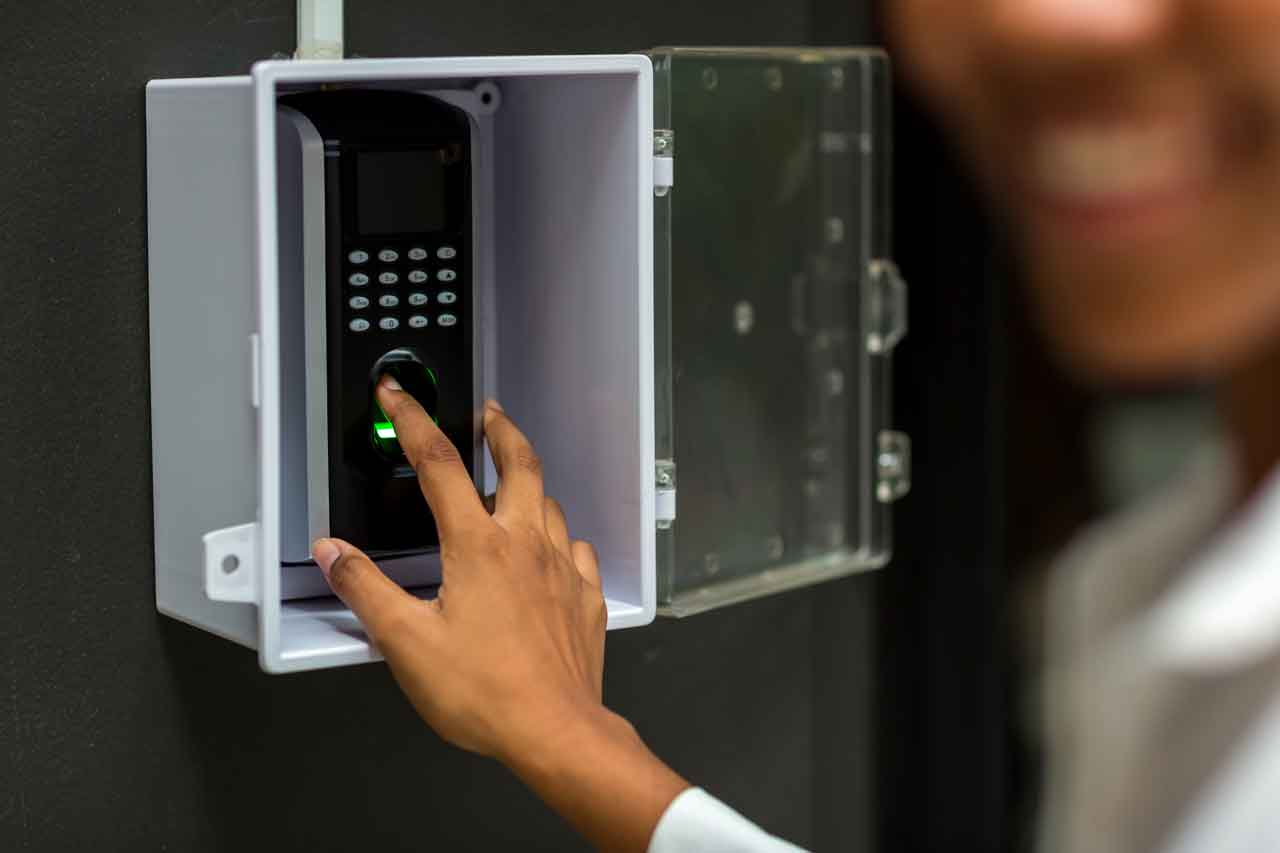
The latest access control systems are largely oriented around identity verification. This includes mobile credentials, biometric authentication, and multifactor authentication being applied to system logins and building entryways.
And what’s innovative today in 2025 is that centralized identity platforms are now capable of governing who accesses Cloud applications, office doors and IoT devices.
Cloud-Based Access Management Systems
Although Cloud platforms have been wildly popular for several years, they’re now helping organizations remotely manage access credentials and guarantee real-time visibility within both physical and digital entry points.
This tech-savvy level of integration makes it easier than ever for businesses to enforce security policies across various locations, all while developing a unified audit trail for compliance purposes.
Smart & IoT Infrastructure
Smart locks, connected surveillance cameras and other IoT devices are now becoming integral with today’s access control systems.
Although these tools are widely regarded for their convenience benefits, they’re also going a long way to minimize attack vulnerabilities when integrated within traditional cybersecurity frameworks.
Behavioral & AI Analytics
AI is now playing a major role in access control systems by detecting a wide variety of behavioral anomalies.
A common example of this would be when an employee logs into a database from an unusual location, or when someone attempts to access a restricted area after hours.
In these scenarios, AI can flag these individuals as a potential insider threat.
Benefits Of Cybersecurity & Access Control Integration
Some benefits of integrating cybersecurity and access control systems together include:
- Stronger Security Posture:Unified security systems close various criminal gaps that could potentially be exploited.
- Improved User Experience: Employees generally benefit from credentials that access both digital platforms and physical spaces.
- Streamlined Compliance: Healthcare, finance and government businesses face all sorts of strict regulations—all of which benefit from integrated audit trails.
- Proactive Threat Detection: Cross-referencing digital and physical activity makes it more efficient for businesses to identify suspicious behavior.
Preparing Business Security & Access Control For The Future
Many forward-thinking organizations are now investing heavily in unified access control platforms that merge digital and physical domains together, and they’re also implementing many different best practices like:
- Migrating Cloud-based access control with cybersecurity features
- Conducting security audits that evaluate both physical and IT systems
- Training staff members to bridge gaps between IT professionals and physical security staff
So, it’s safe to say that the future of access control won’t be much of a question in terms of choosing between digital or physical security—because they’ll both be integrated into singular ecosystems.
And as cyber threats continue to plague countless organizations all around the world, many businesses will be taking more of a holistic approach as they go about protecting their data, infrastructure and people!