The International Energy Agency sees a stronger push for energy security, but says the outcome depends on government choices
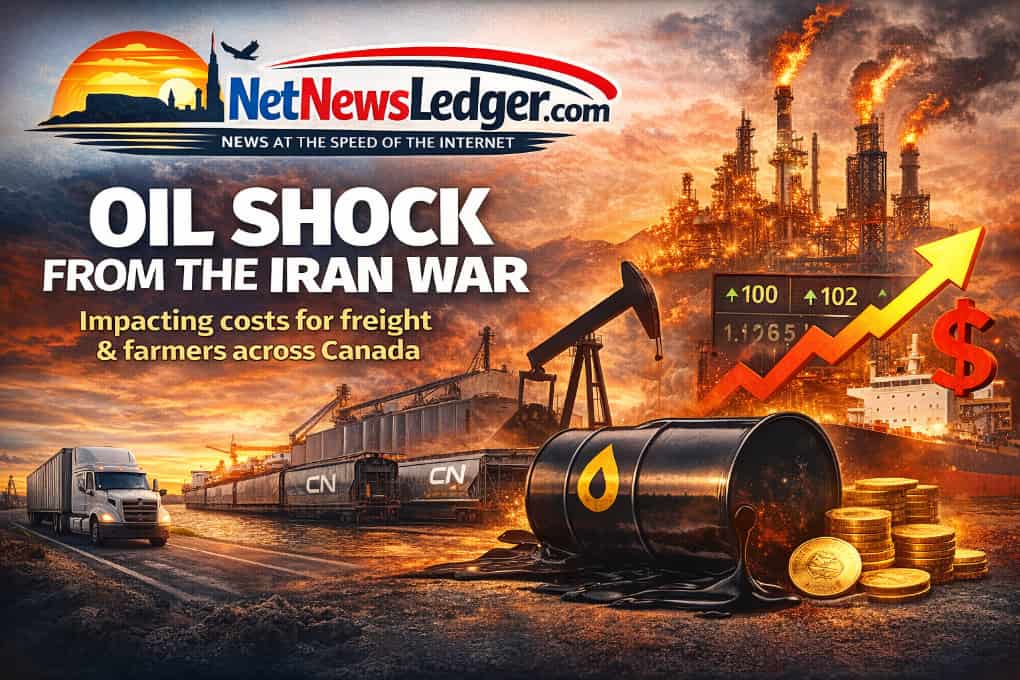
Thunder Bay ON. – International News Service – The disruption to Gulf energy supplies during the Iran war is the largest energy supply shock the world has faced and will reshape markets long after the immediate crisis, the International Energy Agency said Thursday.
In its annual World Energy Outlook, the agency estimated cumulative losses of 2.8 billion barrels of oil and 60 billion cubic metres of gas from the Gulf. It said consumers were increasingly bearing the impact through higher prices as other buffers were depleted.
The effects reach far beyond the Middle East. The IEA said more than four billion people live in countries that depend on the Strait of Hormuz for over 30% of their oil supplies. Developing economies in Asia and Africa are among the hardest-hit importers.
The report examines several possible futures rather than offering a single prediction. In scenarios based on current and stated policies, renewable energy rises from about one-third of electricity generation today to 45%–50% by 2035. Energy-security concerns could also keep some coal plants operating longer, particularly in coal-rich countries, the agency said.
The IEA cautioned that diversifying routes and suppliers would take time and money. Even in a scenario with greatly reduced oil traffic through Hormuz, the Middle East would remain the world’s largest oil-exporting region.
Sources: International Energy Agency: World Energy Outlook executive summary |