Every parent wants to give their baby the best possible start in life, and that often begins with the products they bring into their home. Whether you’re decorating the nursery, stocking up on clothing, or choosing everyday essentials, the materials and ingredients you select can affect your baby’s comfort. Natural baby products have become increasingly popular, offering alternatives to conventional options that often contain synthetic materials or unnecessary additives.
However, with so many products claiming to be natural, organic, or eco-friendly, it isn’t always straightforward to know what to look for. Here’s how to make informed decisions when shopping for your little one.
Understand What Natural Really Means
Just because a product is advertised as natural doesn’t automatically mean it’s better for your baby. The term can be used quite broadly, so it’s worth looking beyond the packaging and examining the ingredients or materials. When shopping, look for products made with recognizable ingredients, responsibly sourced materials, and minimal unnecessary additives. Independent certifications can also help you identify products that meet specific safety or environmental standards.
Pick Natural Fabrics For Clothing
Your baby’s skin is delicate, so clothing is one of the first areas to consider when switching to natural products. Fabrics such as organic cotton, linen, and responsibly sourced wool can offer comfort while reducing reliance on synthetic materials. Organic cotton is particularly popular for everyday baby clothes because it’s soft, breathable, and easy to wash. When choosing outfits, consider practicality alongside material quality. Babies need frequent changes, so comfortable clothing that can withstand regular washing is always a sensible investment.
Think Carefully About Sleeping Materials
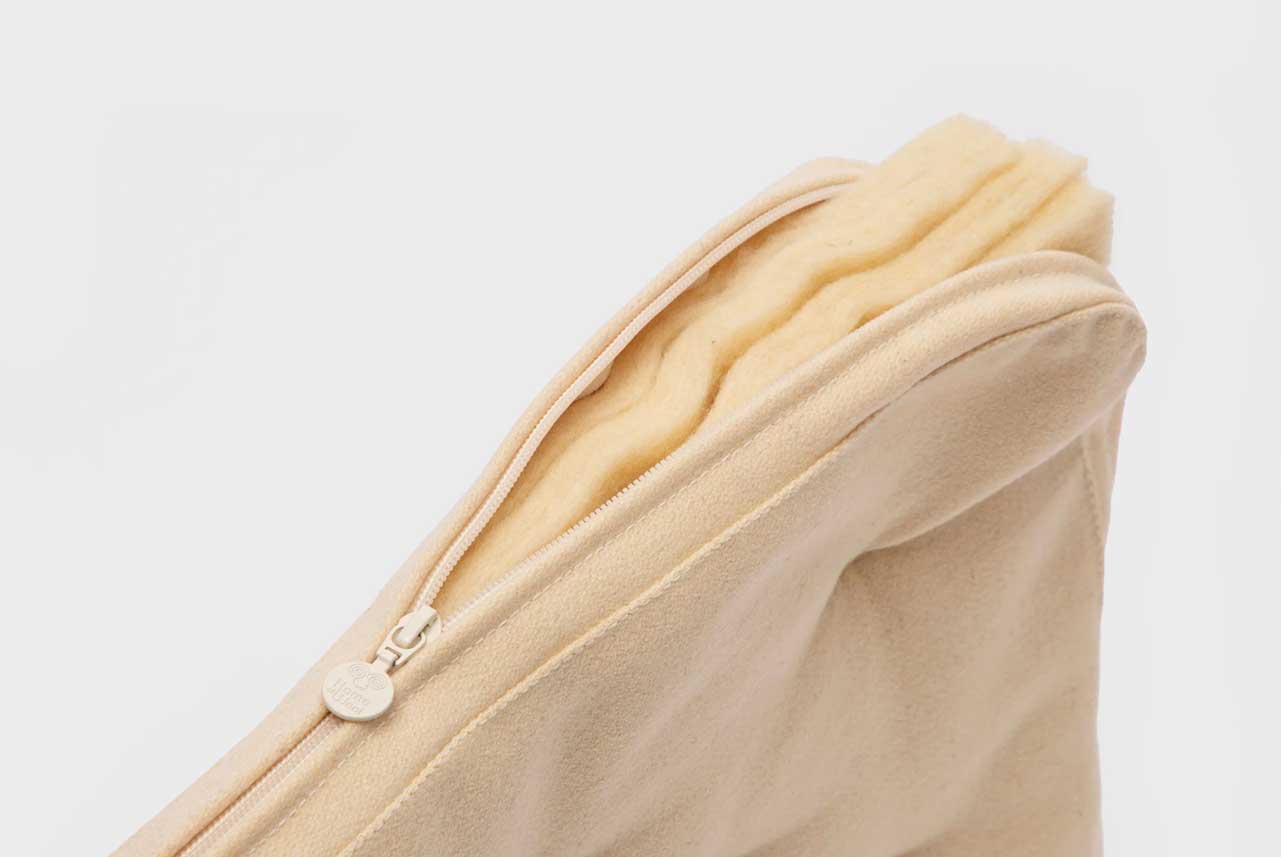
Babies spend a lot of time sleeping, so their sleeping environment matters. Many parents prefer natural materials when choosing bedding and mattresses, especially if they want to reduce synthetics in the nursery. A wool-filled bassinet mattress may appeal to parents who prefer natural fibers over conventional synthetic fillings. Wool is highly regarded for its breathability and temperature-regulating properties. However, natural materials alone don’t guarantee sleep safety. Always choose a firm, flat mattress that fits the bassinet correctly and meets applicable safety standards. Keep pillows, loose bedding, and soft accessories out of your baby’s sleeping space.
Be Selective With Skincare Products
Baby skincare aisles are packed with lotions, washes, and creams, but newborns generally don’t need an elaborate routine. In fact, keeping it simple is often the best approach. Look for gentle, fragrance-free products formulated for babies, and don’t assume plant-based ingredients are automatically suitable for sensitive skin. Some essential oils and botanical extracts can cause irritation, so always check ingredient lists carefully.
Think About Eco-Friendly Toys And Accessories
Natural products aren’t limited to clothing and skincare. Wooden toys, organic cotton comforters, and reusable baby accessories can also be worthwhile additions to your home. When choosing toys, make sure they’re age-appropriate, free of choking hazards, and meet relevant safety standards. Durability matters too, especially if you plan to keep items for future children.
Focus On Quality Rather Than Quantity
Creating a more natural environment for your baby doesn’t mean replacing everything you own or spending a fortune on premium products. Start with everyday essentials, research materials carefully, and prioritize products that combine comfort, safety, and durability. By making thoughtful choices and resisting unnecessary purchases, you can create a welcoming space for your little one while being more mindful of the materials and products you bring into your home.