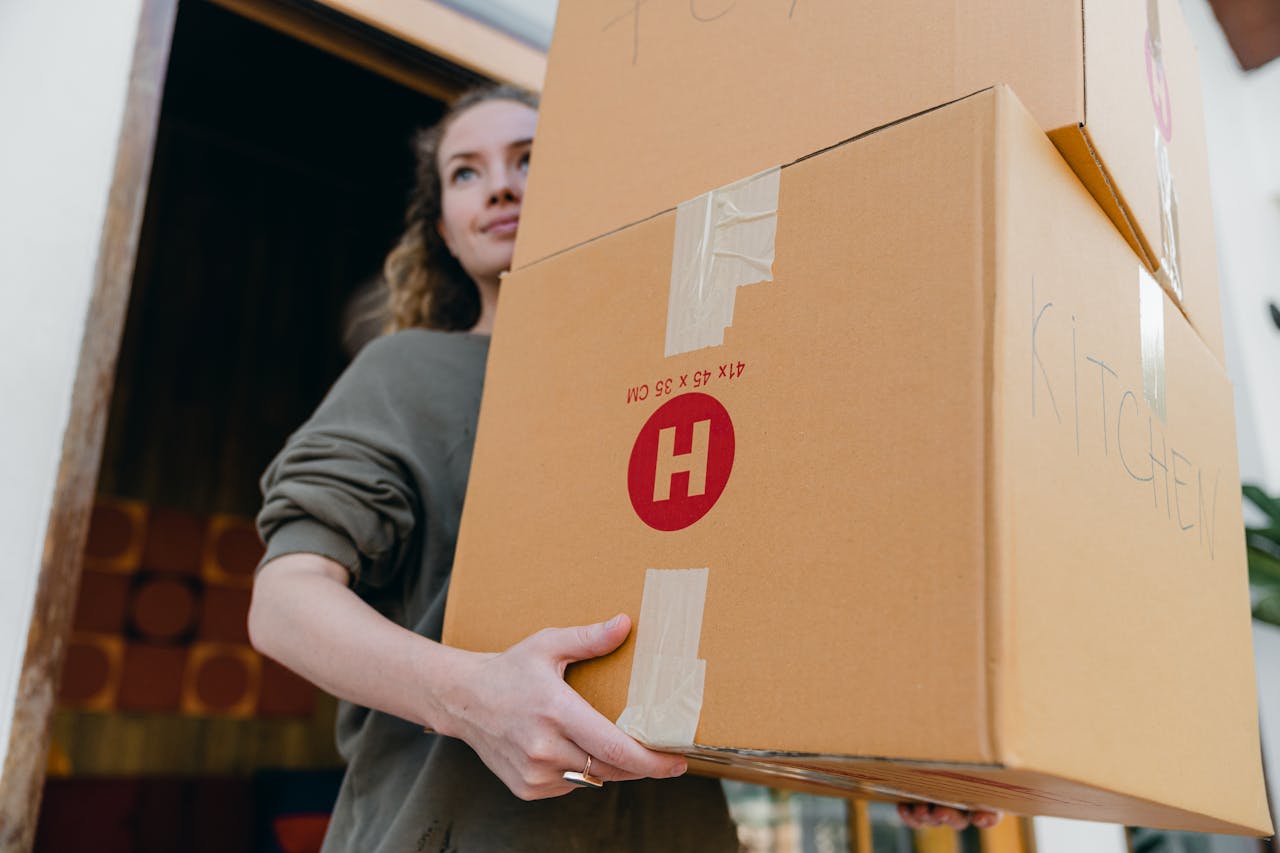
Moving to a new home offers an opportunity to do more than change your address. It is also a chance to reconsider how much you own, what you really need, and how to transport your belongings without creating unnecessary waste. From piles of discarded cardboard to furniture left on the curb, a poorly planned move can generate a surprising amount of unwanted material.
For households preparing to relocate in the Greater Toronto Area, finding experienced movers in Mississauga Ontario is one part of the process. Another is deciding which belongings should make the journey, which can find a new home, and which materials can be reused or recycled. A little preparation can help reduce clutter, simplify packing, and make the move more manageable.
Sustainable moving does not require expensive products or a completely waste-free household. Small decisions made several weeks before moving day can reduce the number of items being transported and limit the amount of packaging that ends up in the garbage.
Begin With a Household Audit Before Packing
The most effective way to reduce moving waste is to avoid packing items that you no longer need. Before buying boxes or collecting packing materials, go through each room and review what you own.
It helps to divide belongings into four categories: keep, sell, donate, and recycle or dispose of appropriately. This prevents unwanted items from being packed simply because they are already in the room.
Start with areas that often accumulate forgotten belongings, such as basements, storage closets, garages and kitchen cupboards. Expired products, unused appliances, outdated electronics and broken household items can take up considerable space without serving a useful purpose.
For items that are still in good condition, consider whether someone else could use them. Furniture, kitchenware, clothing, books and small appliances may be suitable for donation or resale, depending on their condition and the receiving organization’s requirements.
Begin this process early enough to avoid turning donation and disposal into a last-minute task. Some organizations have specific acceptance rules, while bulky items may require separate collection arrangements.
Give Furniture a Second Life Instead of Sending It to the Curb
Large furniture can be one of the most challenging parts of a household move. A sofa that no longer fits the new living room, a dining table that is too large for a smaller home, or a spare bed that is rarely used can increase transportation and handling requirements.
Before deciding to discard these items, measure the rooms in your new home. Compare the dimensions of your furniture with doorways, hallways, staircases and available floor space. An item that appears unsuitable at first may fit comfortably in a different room.
If a piece genuinely will not work in the new property, selling or donating it before moving day may be more practical than transporting it and dealing with it later. Furniture that cannot be reused may require a municipal collection service or an appropriate waste-disposal facility.
Avoid leaving unwanted furniture on a sidewalk without checking local rules. Collection requirements vary, and items left outside may obstruct pedestrian access or remain uncollected.
Reducing unnecessary furniture can also make the move easier to organize. With fewer large items to transport, it may be simpler to estimate the required truck capacity and plan the arrangement of belongings in the new home.
Choose Packing Materials That Can Be Reused
Packing is another major source of moving-related waste. Cardboard boxes, plastic wrap, tape, foam and protective materials are useful, but many households purchase more than they need.
Before buying new supplies, check whether you already have suitable boxes, containers or luggage. Suitcases can hold clothing and linens, while sturdy storage bins may be appropriate for heavier household items. Reusable containers can work particularly well for belongings that are moved frequently or stored between uses.
Ask friends, neighbours or colleagues whether they have clean, sturdy boxes available after their own moves. Local community groups can also be useful places to find reusable packing materials.
However, reusing a box is only sensible if it remains structurally sound. Damp, crushed or weakened cardboard may fail under weight, potentially damaging the contents. Choose boxes according to the items being packed rather than using every available container indiscriminately.
Some households may also consider reusable moving-bin rental programs. These can reduce the need to purchase large quantities of disposable boxes, particularly when a suitable collection and return arrangement is available.
For fragile belongings, the priority should remain adequate protection. Reusing packing materials is helpful, but saving a small amount of cardboard is not worthwhile if it increases the likelihood of breakage.
Pack More Efficiently to Reduce the Number of Boxes
Sustainable moving is not only about the materials used. It is also about packing intelligently.
Begin by grouping similar belongings together and choosing containers that suit their size and weight. Heavy books generally belong in smaller boxes, while lighter items such as bedding can be packed in larger ones.
Use suitable household textiles, such as towels or blankets, to cushion compatible items where appropriate. This can reduce the need for additional protective materials, although delicate objects may still require specialized wrapping.
Avoid leaving excessive empty space in boxes. Unnecessarily large packages can be awkward to handle and may require extra filler. At the same time, do not overload containers or place fragile objects beneath heavy items simply to save space.
Clear labelling helps reduce waste after arrival as well. When boxes are marked with their destination room and contents, it becomes easier to unpack them correctly, locate reusable supplies and avoid opening multiple containers to find one item.
A simple inventory can help track what has been packed and identify materials that should be kept for future use.
Handle Electronics, Batteries and Household Chemicals Carefully
Decluttering often reveals items that should not be placed in ordinary garbage or mixed with general recycling. Electronics, batteries, paint, cleaning chemicals, oils and certain household products may require special handling.
Do not assume that every item can be placed in a curbside recycling bin. Check the waste-disposal guidance provided by your municipality and use designated collection programs where required.
For electronics, remove personal data from devices before donating, selling or recycling them. Back up important files, sign out of accounts, and follow the manufacturer’s instructions for securely resetting equipment.
Household chemicals should remain in appropriate containers and should never be combined simply to reduce the number of packages being transported. Follow the product label and local disposal requirements.
These tasks are best completed well before moving day. Leaving unwanted hazardous or electronic materials until the final hours can create an avoidable problem when the truck is ready to depart.
Plan Transportation Around the Actual Size of Your Move
Once you have decided what to keep, prepare an inventory of the remaining belongings. Consider the number of boxes, large furniture pieces, appliances and any items requiring special protection.
Accurate information helps establish the amount of transportation space and labour required. It can also prevent an undersized vehicle or insufficient moving resources from creating additional trips or delays.
When comparing moving services, ask what the estimate includes, how the moving time is calculated, and whether packing materials, furniture disassembly or storage are additional services. Explain any stairs, elevator bookings, long carrying distances or restricted loading areas at both properties.
A professional moving company can help coordinate transportation and, where offered, packing or storage options. The most suitable arrangement depends on the distance involved, the size of the household and the level of assistance required.
Miracle Movers is a professional moving company serving Toronto and the Greater Toronto Area, including Mississauga. Its local moving services include transportation of household belongings, protective moving supplies and options for customers who need different levels of packing assistance.
For households looking to reduce unnecessary packaging, the company also provides information about packing resources and moving options. Customers can discuss the size of their shipment, the condition of their belongings and the services required when requesting an estimate.
Miracle Movers publishes customer testimonials on its website, including positive feedback describing smooth moves and professional service. As with any moving provider, prospective customers should consider available testimonials alongside recent independent reviews, written estimates and the precise terms of their proposed service.
Make Unpacking Part of Your Sustainability Plan
A sustainable move should not end when the last box arrives. The way you unpack can determine whether reusable materials are saved for another move or immediately discarded.
Keep good-quality boxes flat and dry until you know whether they will be useful again. Return rented containers according to the provider’s instructions, and offer suitable reusable supplies to neighbours or community groups.
Unpack in stages, beginning with the rooms and items needed for everyday life. This makes it easier to separate recyclable cardboard from materials that cannot be recycled through ordinary household programs.
It is also a good opportunity to avoid rebuilding the same clutter in the new home. Before unpacking an item that was brought along out of habit rather than necessity, consider whether it has a clear purpose in the new space.
A more organized home can make everyday routines easier while reducing the likelihood that unwanted belongings will accumulate again.
A More Thoughtful Move Starts Before Moving Day
Reducing moving waste is not about achieving perfection. It is about making deliberate choices: sorting belongings early, finding new uses for suitable items, choosing reusable packing materials where practical, and disposing of special waste correctly.
These steps can simplify packing, improve the accuracy of moving estimates and reduce the number of unwanted items arriving at the new address.
Whether moving within Mississauga, relocating elsewhere in the Greater Toronto Area or planning a longer journey across Ontario, preparation makes it easier to balance environmental considerations with the practical requirements of transporting a household.
The result is a move that uses resources more thoughtfully and allows you to begin the next chapter with fewer unnecessary belongings and a clearer idea of what truly matters in your new home.