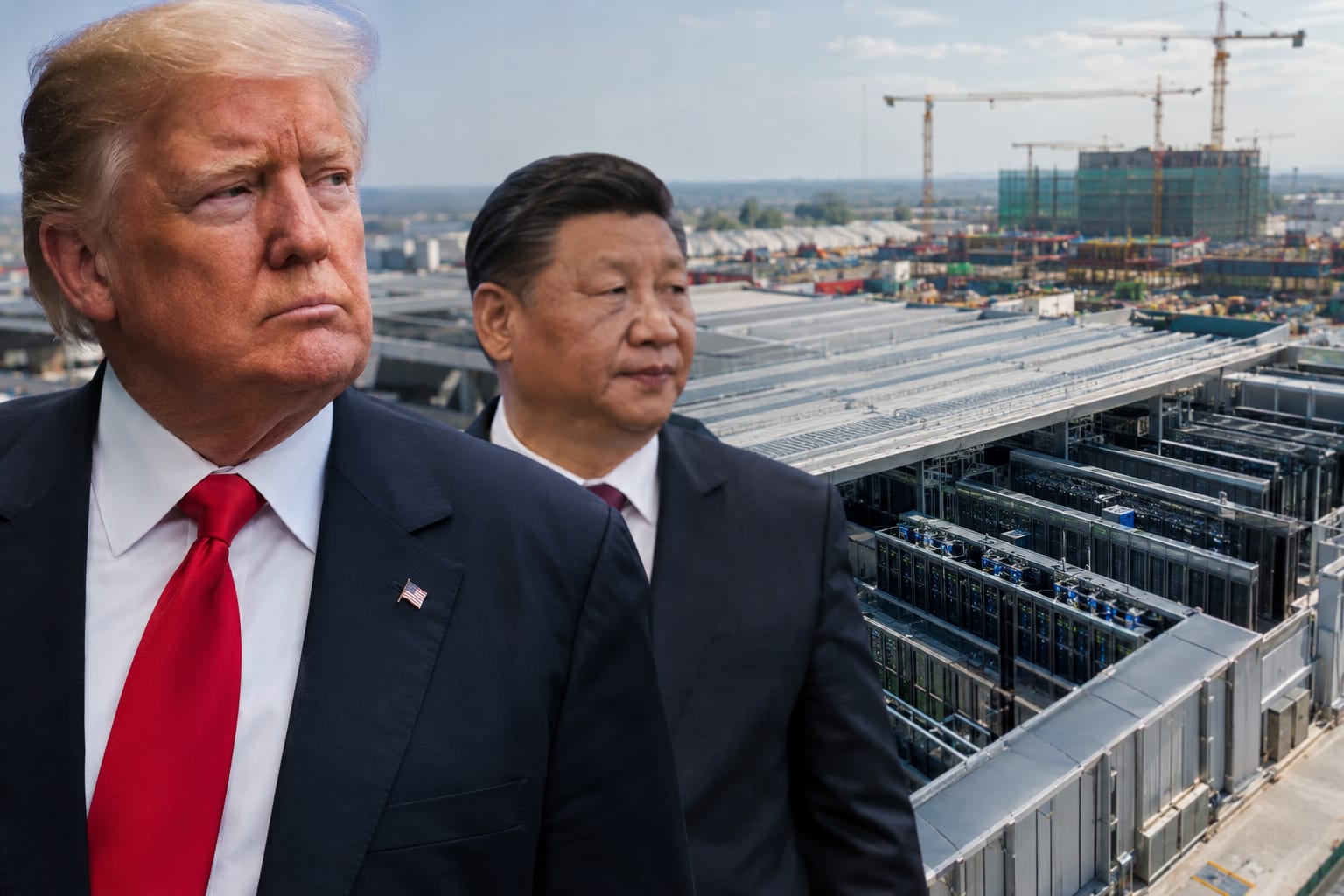
International Contrasts on Data Centres
Thunder Bay – TECH NEWS – While American politicians and towns argue over power bills and water use, China is pouring concrete for new data centers at record speed.
Data centers are the giant warehouses full of computers that power AI (artificial intelligence). Whoever builds more of them, faster, may win the AI race — and right now, China is not slowing down to debate it.
Quick Take
- The US is stuck in local fights over data centers — noise, power costs, and water use are the big complaints.
- China is fast-tracking new data center construction to fuel its AI ambitions.
- Data centers need huge amounts of electricity and water to run and cool their computers.
- More data centers usually means more AI power, faster AI tools, and more national bragging rights in tech.
- The gap in construction speed could shape who leads AI in the next few years.
Why America Is Stuck Arguing
In the US, building a data center is not simple. Many communities do not want one nearby. They worry about the noise from giant cooling fans, the strain on local power grids, and the amount of water needed to keep servers (powerful computers) from overheating.
These fights play out city by city, county by county. Some towns vote no. Others demand that companies pay more for power or promise to protect local water supplies. That takes time — sometimes years — before a single server even gets plugged in.
Meanwhile, the need for data centers is not slowing down. AI tools like chatbots and image generators need massive computing power to run. Every new app, every new AI feature, needs more data centers behind it.
The US is fighting over data centers. China is building them. Fast.
That one line sums up the core problem. While Americans debate, China moves.
China’s Fast-Track Approach
China does not have the same local pushback. The government can approve and build data centers much faster, often treating them as a national priority tied to economic and tech power.
This means fewer delays. Fewer town hall meetings. Fewer lawsuits. China can pick a site, bring in power, and start building almost right away.
Speed matters a lot in the AI race. The country with more data centers can train bigger AI models faster. It can offer more AI services to its people and sell AI tools to other countries too.
What’s at Stake in the AI Race
This is not just about computers in a warehouse. It is about who controls the future of AI technology.
AI is already changing jobs, schools, hospitals, and even war planning. The country that builds the most powerful AI first could set the rules for how the rest of the world uses it.
Here is a simple way to see the difference in approach:
| Factor | United States | China |
|---|---|---|
| Local approval process | Often slow, community pushback | Fast, centrally approved |
| Main concerns raised | Power cost, water use, noise | Speed, national AI goals |
| Construction pace | Delayed by local fights | Rapid, prioritized |
| Who decides | Local governments, communities | National government |
This table is not about which system is “better” for everyday life. It is about which system builds AI infrastructure faster — and right now, that is China.
The Real Cost of Data Centers
It is worth saying plainly: the concerns American communities raise are real. Data centers use huge amounts of electricity, enough to power thousands of homes. They also use millions of gallons of water each year to stay cool.
People worried about their power bills going up, or local rivers running low, are not wrong to ask questions. Building fast is not always building wisely.
But in a global race, speed matters just as much as caution. China is betting that building now and fixing problems later is the winning strategy. The US is still deciding if that bet is worth copying.
What’s Next
Expect more clashes in US towns as tech companies push to build data centers faster. Expect China to keep building, with fewer public fights slowing it down. The next few years will show whether speed or caution wins the AI race — and whether the US can find a way to do both.