Ginoogaming First Nation economic leader Jason Rasevych has launched Thunder Bay-based Making Ground River Capital Corporation to support First Nations equity, acquisitions and sovereign wealth investment
Making Ground River Capital Corporation aims to connect First Nations, Indigenous capital and Northern Ontario projects with institutional investors
THUNDER BAY / TORONTO — INDIGENOUS BUSINESS — An Anishinaabe economic leader from Ginoogaming First Nation has launched a new Indigenous-owned investment and asset management firm focused on First Nations equity, business acquisitions and major infrastructure opportunities.
Jason Rasevych announced the creation of Making Ground River Capital Corporation in Toronto alongside the release of a new report from Waawoono Consultancy titled Beyond the IBA: Volume II: Architecting Indigenous Sovereign Wealth.
Headquartered in Thunder Bay, Making Ground is being positioned as a private-equity, principal-investment and asset-management firm intended to connect Northern Ontario’s resources, businesses and First Nations with national and international capital.
Launch Coincides With Major Toronto Investment Meetings
The announcement came as Rasevych attended Prime Minister Mark Carney’s Canada Investment Summit in Toronto, where government representatives, business leaders and institutional investors gathered to discuss major Canadian investment opportunities.
Rasevych said his meetings focused on bringing meaningful First Nations equity participation into infrastructure, critical-minerals, energy and national supply-chain investments.
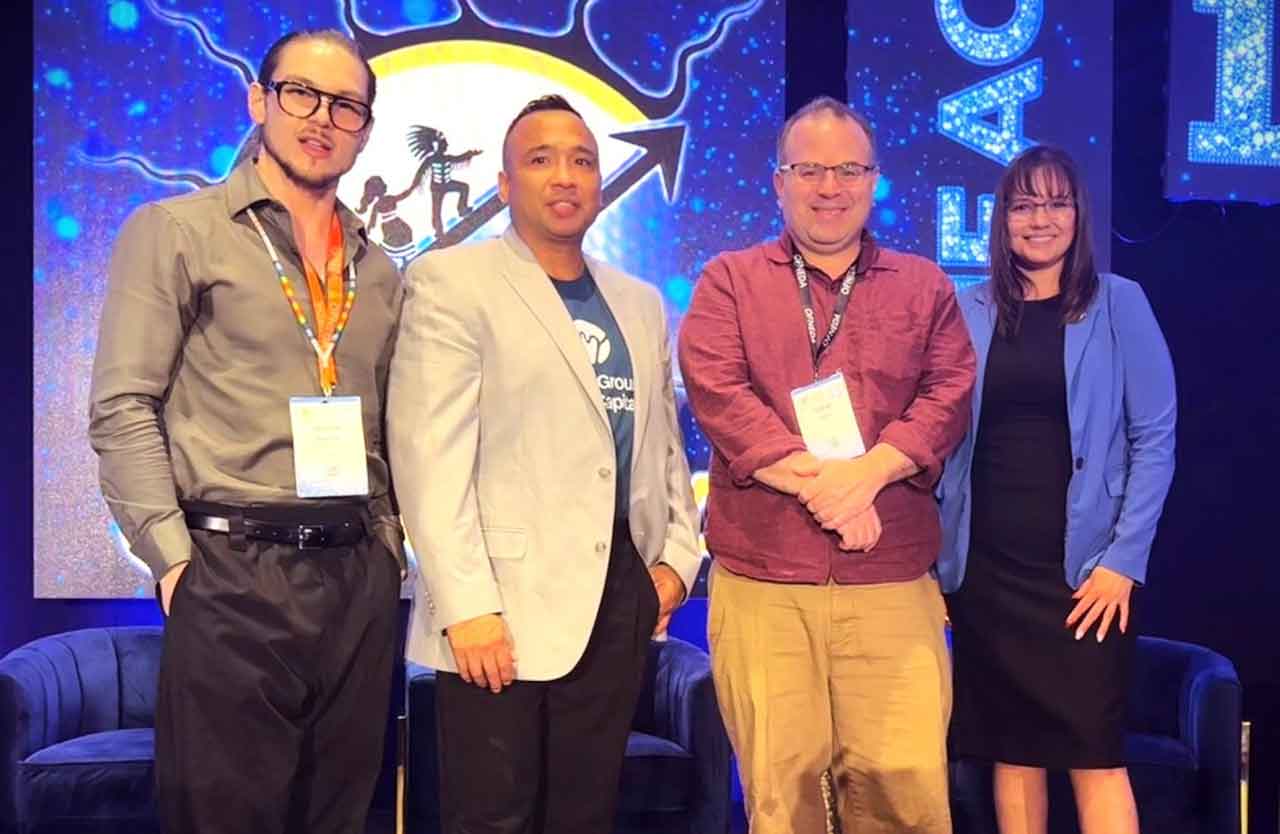
He also joined the mainstage discussion at OFNEDA’s 15th Annual First Nations Economic Advancement Conference at the Pearson Convention Centre.
The panel, titled Access to Capital, Indigenous Finance and Investment Readiness, included Kristan Straub, chief executive officer of the Canada Indigenous Loan Guarantee Corporation.
The discussion examined how loan guarantees, community capital and Indigenous sovereign wealth structures could be used together to support First Nations ownership.
Who Is Jason Rasevych?
Rasevych is an Anishinaabe business and economic-development leader from Ginoogaming First Nation in Treaty No. 9 territory.
Based in Thunder Bay, he has more than two decades of experience in negotiations, Indigenous advocacy, capital structuring and economic-development agreements.
He said Making Ground was created to build on that experience and advance a longer-term model of Indigenous economic self-determination.
“Northern Ontario holds the critical mineral supply chains, clean energy grids and traditional territories needed for Canada’s future economy,” Rasevych said.
“Making Ground was established to solve the deal-structuring gap, acquire mid-market suppliers and ensure First Nations lead as active co-equity owners across major national supply chains.”
Closing the Early-Stage Financing Gap
One of Making Ground’s stated priorities is addressing what the firm describes as “early-stage capital friction.”
Government-backed Indigenous loan-guarantee programs can help communities secure financing for major investments. However, First Nations may still need money for legal work, technical studies, negotiations, financial modelling and due diligence before a project becomes eligible for guaranteed financing.
Making Ground says it intends to provide or arrange that early-stage support, helping participating First Nations prepare projects and partnerships for financial closing.
The firm’s proposed role could include:
- Early-stage project financing;
- Legal and corporate structuring;
- Technical and financial due diligence;
- Negotiation support;
- Private-equity investment; and
- Connections with institutional investors and government financing programs.
Acquiring Businesses and Building Indigenous Ownership
Making Ground also plans to work with Waawoono Consultancy to identify and potentially acquire established businesses in sectors such as information technology, defence, aerospace and civil engineering.
The company says these acquisitions could be structured as majority Indigenous-owned enterprises, with Indigenous ownership exceeding 51 per cent.
Eligible businesses could then compete for federal contracts under the Procurement Strategy for Indigenous Business and pursue supplier opportunities with major corporations.
The federal government has established a target of awarding at least five per cent of federal contract value to Indigenous businesses. Eligibility is governed by federal procurement rules, documentation requirements and business-control standards.
Any acquisition would remain subject to financing, negotiations, due diligence and applicable regulatory requirements. The launch announcement did not identify completed acquisitions or disclose committed investment capital.
Indigenous Sovereign Wealth
The accompanying Waawoono report argues that First Nations should consider moving beyond conventional impact-benefit agreements and toward direct equity ownership, investment funds and long-term wealth-management structures.
Making Ground says billions of dollars connected with Indigenous settlements, trusts and community investment accounts could potentially be managed through Indigenous sovereign wealth funds.
The firm describes the opportunity as exceeding $38 billion. That figure is a company estimate and should not be interpreted as capital already committed to Making Ground or immediately available for investment.
An Indigenous sovereign wealth fund would generally pool and invest community capital with the goal of producing long-term returns for current and future generations.
Each participating First Nation would still need to determine its own governance model, investment policy, risk tolerance and community-approval requirements.
Priority Investment Sectors
Making Ground has identified several sectors where it sees opportunities for Indigenous ownership and investment.
Digital Technology and Software
The firm is examining Indigenous-led software, cloud infrastructure and enterprise technology businesses. These companies could serve governments, First Nations, resource projects and other commercial customers.
Environmental Technology
Potential investments include land-and-water sensing systems, environmental-monitoring platforms and ecological data-management tools.
These technologies could be particularly relevant in Northern Ontario, where communities, governments and mining companies require reliable environmental information.
Artificial Intelligence and Infrastructure
Making Ground is also interested in data centres, clean-energy grids, transmission systems and battery-storage projects.
Large artificial-intelligence facilities require significant amounts of electricity, fibre-optic connectivity and cooling capacity. Any Northern Ontario development would require detailed environmental, energy and community planning.
Health and Critical Minerals
The firm’s investment strategy includes medical-technology platforms, regional health infrastructure and critical-minerals logistics.
Northern Ontario’s mineral potential has attracted growing government and private-sector interest. However, mining and infrastructure projects remain subject to environmental reviews, financing, permitting and consultation with affected First Nations.
Defence and Logistics
Making Ground says it will consider aerospace maintenance, information-technology services, logistics companies and civil-engineering businesses involved with Defence Construction Canada and NORAD modernization.
Why This Matters for Northern Ontario
Many Northern Ontario First Nations have negotiated employment, contracting and benefit agreements with resource companies. Those agreements can provide important opportunities but do not always give communities an ownership position in the underlying project.
Making Ground’s proposed model focuses more heavily on equity—allowing participating First Nations to own part of a mine, transmission line, technology company, supplier or infrastructure project.
Ownership can create access to profits, dividends and decision-making authority. It also carries financial exposure when projects are delayed, exceed their budgets or fail to meet expectations.
For Thunder Bay, the firm’s headquarters could strengthen the city’s role as a centre for Indigenous finance, professional services and Northern project development.
The larger test will be whether Making Ground can turn its investment strategy into completed transactions that provide measurable and lasting benefits for participating First Nations.
From Impact Benefits to Co-Ownership
The central argument behind Making Ground and the new Waawoono report is that Indigenous participation should not be limited to consultation, employment targets or project compensation.
Rasevych is advocating for First Nations to become active investors and co-owners with a meaningful role in major economic decisions.
Whether that model succeeds will depend on access to capital, strong governance, transparent agreements and the willingness of governments and companies to negotiate genuine equity partnerships.
This report is based on information released by Making Ground River Capital Corporation and Waawoono Consultancy. Investment plans, capital estimates and anticipated benefits are forward-looking statements from the proponents. They are not completed transactions or guaranteed financial outcomes.