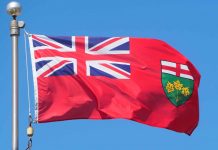
Representatives of the Gaming Board of Tanzania (GBT) visited Toronto in August and participated in a training session organised by the Canadian non-profit organisation Responsible Gambling Council (RGC). The event was held at the RGC’s offices and focused on responsible gambling practices, player protection, and gambling harm prevention.
Why Tanzanian Officials Flew Across the Ocean
The primary objective of the visit was to strengthen responsible gambling practices in Tanzania. The regulators sought to strike a balance between developing a market that is experiencing a phase of active growth and protecting players from the potentially devastating consequences of gambling. The session was led by the Advisory Services team at RGC, which specialises in consulting national regulators.
“Shared Responsibility” as the Central Idea
The session’s organisers emphasised that the concept of shared responsibility was the key theme throughout the discussions. In RGC’s own words: “A critical theme throughout the session was shared responsibility and the need to bring together industry, regulators, and other stakeholders to strengthen player protection.” In other words, no single market participant can ensure a safe environment on their own, and only coordinated efforts by all stakeholders yield meaningful results.
Topics Covered During the Session
The training programme covered a broad range of areas, each of which directly affects how safe the industry remains for the end consumer. Participants discussed the following topics:
- Player protection and safety measures, including self-exclusion tools and behavioural monitoring.
- Proactive harm prevention, meaning preventive measures rather than merely responding to problems that have already arisen.
- Marketing and advertising of gambling products, including the boundaries of acceptable promotion of gaming products.
- Lessons from various regulatory environments and international best practices, enabling the transfer of effective models to new markets.
- The use of standards and frameworks such as RG Check accreditation to implement best practices across the industry.
Why the Issue Is Becoming Increasingly Urgent
RGC noted that gaming products, technologies, and associated risks continue to evolve rapidly. In such circumstances, innovation, collaboration, and continuous learning are critically important. Building a culture in which player wellbeing comes first requires the constant adaptation of regulatory tools to a changing reality.
It is worth noting that the Canadian gambling market is itself a vivid illustration of why RGC’s expertise is so sought after abroad. The industry is so well developed in most provinces that online casinos have long become part of everyday leisure. Thousands of games, regular promotions, no deposit bonuses on registration, and intense competition among operators have made gambling fully mainstream. It is precisely in such conditions that player protection issues have come to the fore, and Canadian regulators and non-profit organisations have accumulated practical experience that they now share with counterparts from other countries. For the Tanzanian delegation, this context proved particularly valuable, as their own market is moving along a similar growth trajectory.
Who Represented Tanzania and Who Led the Training
According to RGC, the GBT delegation comprised four specialists: Petronila Sabas Kisaka, Zena Athumani Simkondo, Anneny Bernard Nahum, and Elibariki Stanley Sengasenga.
On the Canadian organisation’s side, the session was led by Tracy Parker, Sherene Fernando, and Jeannine Haynes-Singh from the Advisory Services division.
What to Know About the Responsible Gambling Council
RGC is an independent Canadian non-profit organisation recognised as one of the global leaders in problem gambling prevention. It operates through research, education, consulting, standards development, and accreditation, engaging with operators, regulators, communities, and other stakeholders both within Canada and beyond its borders.
The Mandate of the Gaming Board of Tanzania
GBT regulates gambling activity in the country, handling licensing and compliance oversight. Its mandate includes protecting the public from the potential negative consequences of gambling, promoting responsible gambling, and safeguarding the interests of vulnerable groups.
Plans for the Future
RGC stated its intention to continue sharing knowledge and strengthening responsible gambling practices in collaboration with organisations around the world. The Tanzanian case will in all likelihood become one of the examples of how African regulators integrate international experience into their day-to-day work.