Northeast Wildfire Update: 45 Active Fires, Two New Starts Reported Aug. 16
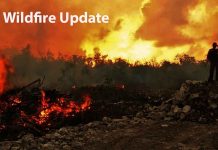
WAWA – Wildfire Update — Ontario’s Aviation, Forest Fire and Emergency Services reported 45 active wildland fires in the Northeast Fire Region as of 6 p.m. EDT on Aug. 16, 2026, including two newly confirmed fires.
One of the new fires was under control by the evening update, while the second had already been declared out.
For readers in Thunder Bay and Northwestern Ontario, the Northeast Region is separate from Ontario’s Northwest Fire Region. However, provincewide fire activity remains important because aircraft, crews and other firefighting resources can be moved between regions as conditions change.
Two New Fires Confirmed in Northeast Region
North Bay 37 (NOR037) was reported at 0.1 hectares, approximately five kilometres southwest of Emerald Lake and seven kilometres west of Highway 805.
The fire was listed as under control, meaning firefighting efforts had reduced the fire to a point where its spread was no longer expected.
Sudbury 61 (SUD061) was also 0.1 hectares and was located off the eastern shoreline of Round Lake, approximately one kilometre northwest of Wagon Trail and two kilometres south of Bolger Lake.
That fire was declared out.
45 Active Fires Across the Region
Of the 45 active wildland fires in the Northeast Region:
- One was not under control
- Two were being held
- Four were under control
- 38 were being observed
A fire listed as “being observed” is generally being monitored rather than actively suppressed, depending on factors such as location, threat to communities and ecological or operational considerations.
Check Local Fire Danger Before Heading Outdoors
Ontario’s forest fire danger rating can change through the day as weather conditions shift.
The province calculates fire danger using information from more than 130 weather stations across Ontario’s fire regions. Residents, campers, anglers and travellers should check the province’s interactive fire map before heading into forested or remote areas.
For Northwestern Ontario residents, it is important to check the Northwest Fire Region conditions rather than assuming Northeast Region conditions apply locally.
Give Waterbombers Room to Operate
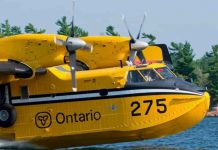
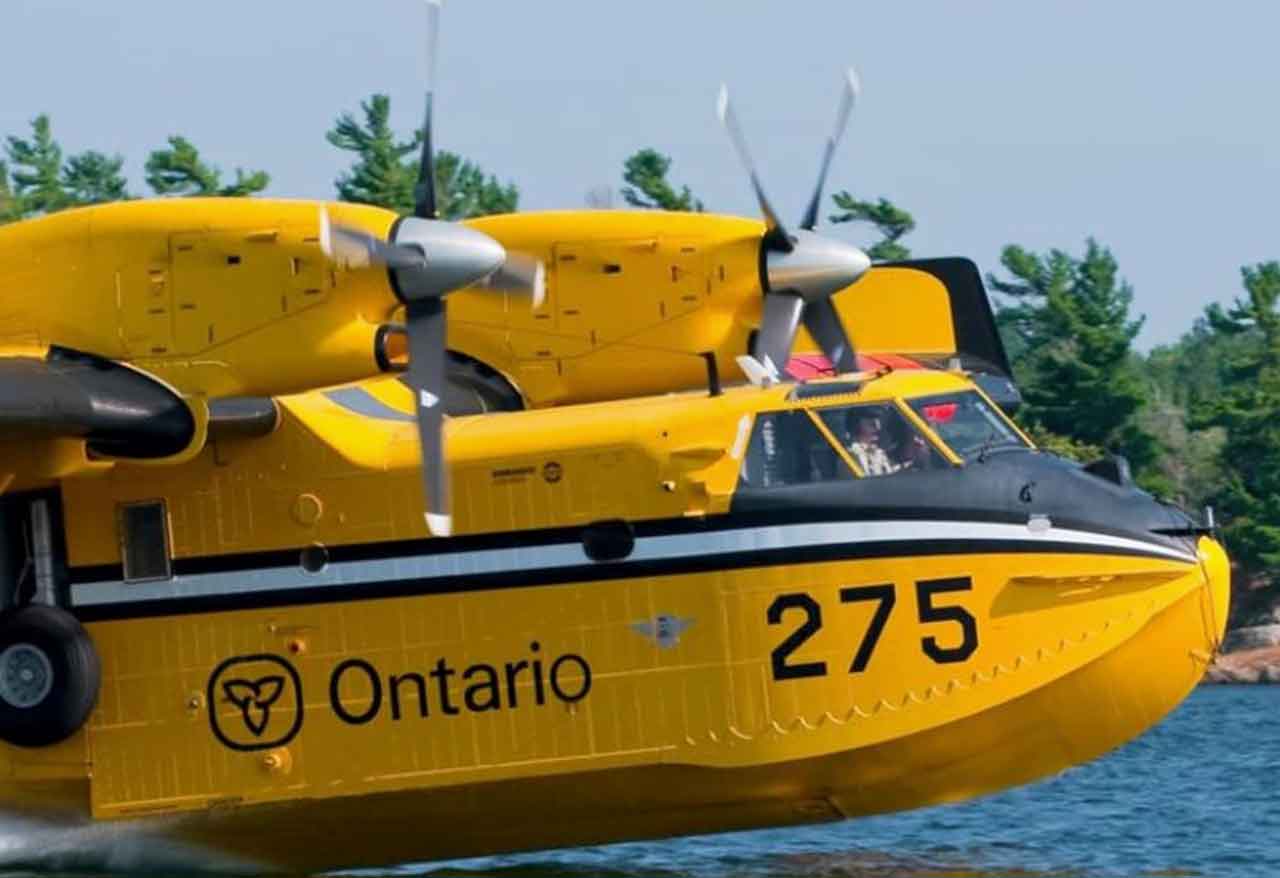
Ontario fire officials are reminding boaters to stay clear when waterbombers approach lakes or rivers to scoop water.
Watercraft should move close to shore and remain well away from the aircraft’s operating area.
Waterbombers will not scoop from a body of water when boats or other watercraft create a safety hazard.
Outdoor Burning Rules Remain in Effect
Ontario’s legislated fire season runs from April 1 to Oct. 31.
The province encourages residents to use alternatives such as composting or local landfill services for yard waste and woody debris whenever possible.
Where burning is permitted, fires may generally be ignited no sooner than two hours before sunset and must be extinguished no later than two hours after sunrise.
Anyone burning outdoors should have adequate water and tools available to control and extinguish the fire.
Residents inside municipal boundaries should also check with their local fire department before burning, as municipal restrictions, permits or fire bans may apply in addition to provincial rules.
How to Report a Wildland Fire
To report a wildland fire north of the French and Mattawa rivers, call 310-FIRE (3473).
For fires south of the French or Mattawa rivers, call 911.
Ontario fire officials continue to ask residents and visitors to use caution with campfires, outdoor burning and equipment that can create sparks during periods of elevated fire danger.