Top News NetNewsLedger Readers Need to Know for Friday, Aug. 14, 2026
THUNDER BAY — The most important stories for NetNewsLedger readers this morning run from escalating tensions in the Strait of Hormuz to an approaching Canada–U.S. tariff deadline, while Northwestern Ontario remains in an active wildfire emergency and Thunder Bay faces fresh questions about homicide reporting, municipal-election participation and conditions at Vickers Manor.
Morning News Priorities: Global Events With Northwestern Ontario Consequences
International News
1. Strait of Hormuz tensions are again the biggest international economic story. Shipping through the Strait of Hormuz has slowed sharply after two vessels belonging to the Abu Dhabi National Oil Company were attacked. The United Arab Emirates blamed Iran. Washington says it can maintain its naval blockade of Iranian ports indefinitely as ceasefire negotiations remain stalled. Reuters reported Brent crude around US$87 a barrel Friday morning.
Why Northwestern Ontario should care: This is not a distant Middle East story. Sustained higher oil prices can work through to gasoline, diesel, aviation fuel and freight costs. Northwestern Ontario is particularly exposed because mining, forestry, construction and northern community supply chains depend heavily on fuel, trucking and aviation. Remote First Nations can feel aviation-fuel increases particularly quickly.
2. Russia rejects a Black Sea ceasefire as grain-shipping concerns deepen. Ukraine had proposed a mutual halt to attacks on civilian shipping in the Black Sea, but Russia rejected the idea Friday. Recent attacks have disrupted Ukrainian and Russian port operations, while Ukrainian August grain exports have fallen sharply.
The Thunder Bay angle: The Port of Thunder Bay is a major outlet for Western Canadian grain. Black Sea disruption can alter international wheat and grain flows, prices and demand for alternative suppliers. It would be premature to predict a direct volume increase for Thunder Bay, but this is a market development worth following closely.
3. Food inflation risks are building again. Reuters identifies the combination of a strong El Niño, higher energy costs, Middle East-related fertilizer pressures and disruption to Ukrainian grain shipments as an emerging global food-price risk.
For Northwestern Ontario households already facing high transportation and grocery costs, this deserves coverage through a “what it could mean at the checkout” lens rather than simply as a commodities story.
National News
1. Canada and the United States are racing toward the Aug. 19 tariff deadline. Canadian and U.S. officials are holding intensive negotiations ahead of threatened 50 per cent U.S. tariffs on nearly US$20 billion worth of Canadian imports. A Canadian government source told Reuters Thursday that negotiations were progressing and that Washington also wanted an agreement before Aug. 19.
Even if the specific new tariff list does not fall heavily on Northwestern Ontario’s largest exports, a broader deterioration in Canada–U.S. relations matters to mining, forestry, manufacturing, cross-border trucking, investment and household costs across the region.
There is an additional complication: a new White House report has accused Canada and more than 40 other countries of enabling Chinese goods to be rerouted to avoid U.S. tariffs. That allegation could further harden Washington’s negotiating position.
2. B.C.’s wildfire catastrophe offers a warning for the rest of Canada. The Bald Range wildfire in British Columbia’s Okanagan forced more than 20,000 people to evacuate, destroyed homes and killed an 80-year-old woman, according to The Associated Press. The fire had grown to about 184 square kilometres by Wednesday.
For Northwestern Ontario, the parallels are immediate: evacuation capacity, emergency communications, community resilience, rebuilding and the growing challenge of fires capable of moving faster than traditional emergency systems were designed to handle.
3. Canada’s economy is showing resilience despite trade uncertainty. Statistics Canada reported last week that Canada added about 75,100 jobs in July and unemployment fell to 6.4 per cent, the lowest level in two years.
This is useful context for tariff coverage. Canada is entering the Aug. 19 showdown with stronger recent employment and growth data than might have been expected earlier this year, although another major tariff escalation could change that outlook.
Regional — Northwestern and Northern Ontario
1. Wildfires remain the dominant Northwestern Ontario story: 95 active fires and four First Nations still evacuated. Ontario reported 95 active wildland fires in the Northwest Region as of Thursday evening, with two new fires confirmed Aug. 13.
More importantly, Chiefs of Ontario reported Thursday afternoon that Whitesand First Nation, Namaygoosisagagun First Nation, Gull Bay First Nation and Eabametoong First Nation remained under evacuation.
This should remain a front-page regional story even though fire numbers have fallen from earlier peaks. Coverage should concentrate on when people can return home, what they will return to, rebuilding support, emergency-response accountability and the long-term psychological and economic effects on affected First Nations.
2. Ontario has immediately changed Ontario Works and ODSP eligibility rules. The province announced Thursday that people without legal authorization to remain in Canada and many temporary residents—including people on student, work and visitor permits—will no longer qualify for Ontario Works or the Ontario Disability Support Program under the revised eligibility rules.
3. Highway 17 bus rollover raises northern transportation-safety questions. Provincial police say 17 passengers suffered minor injuries when an Ontario Northland bus rolled into a ditch north of Wawa. A driver has since been charged.
Highway 17 is the principal east-west ground transportation corridor linking Northwestern Ontario with the rest of Ontario. Even incidents hundreds of kilometres from Thunder Bay matter because there are few practical alternative routes when crashes or closures interrupt the Trans-Canada Highway.
Thunder Bay Local News
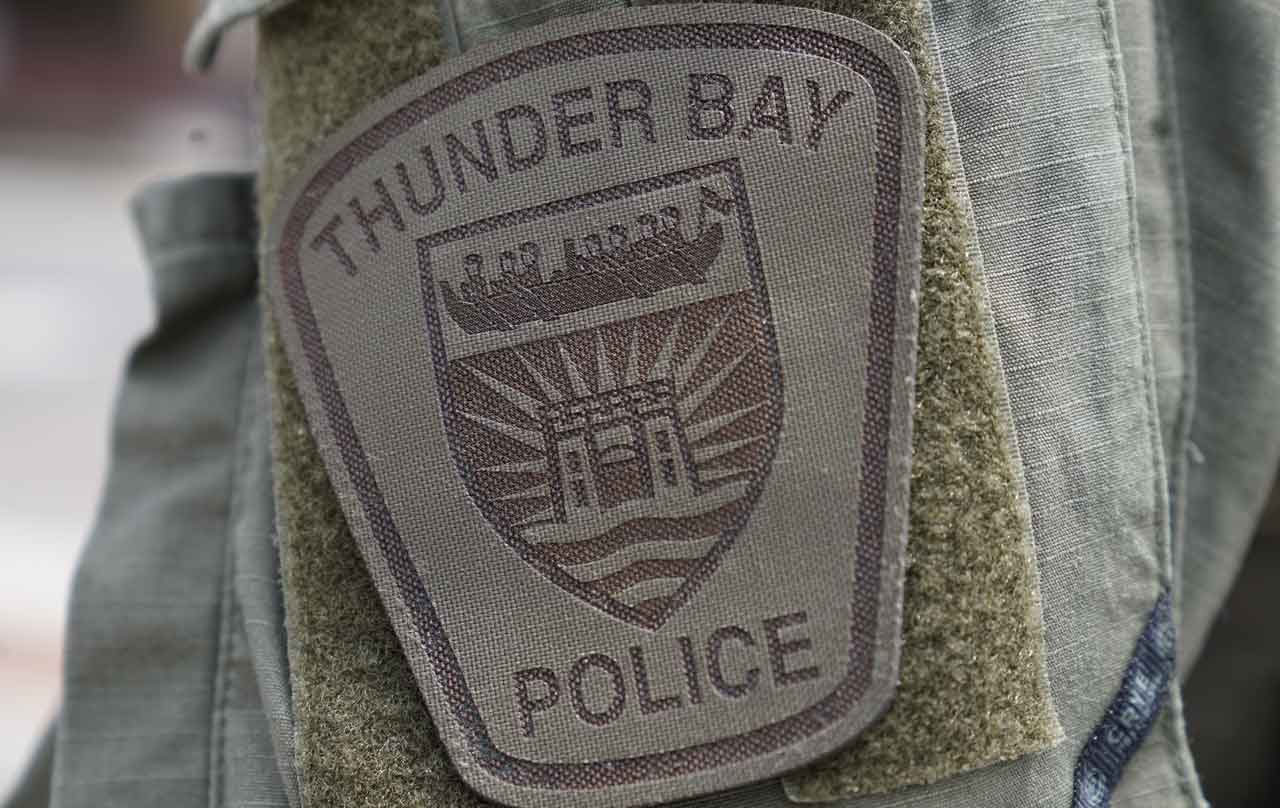
1. Thunder Bay Police confirm two homicides were not previously disclosed to the public. Thunder Bay Police have confirmed two 2026 homicide investigations that had deliberately not been publicly disclosed until this week. The reports that the additions mean there have already been as many homicides in city police jurisdiction in 2026 as police reported for all of 2025.
The key accountability questions are why disclosure was delayed, what investigative considerations justified the decision, what policy governs public notification and how police balance operational security against the public’s right to timely safety information.
Thunder Bay Police were reporting six city homicides for 2025, with a seventh homicide investigated by the OPP in neighbouring Shuniah. That number increased by one with charges for murder laid in a December 15, 2025 sudden death now being reported as a homicide.
For Thunder Bay Police reporting to the public through the media is a key measure in restoring and building trust. The reports of two homicides not being reported by TBPS is a road block that Police Chief Darcy Fleury needs to be addressing.
2. Thunder Bay municipal election nominations enter their final week. The deadline to file nominations is 2 p.m. Friday, Aug. 21, with the municipal election scheduled for Oct. 26. The City says candidates will be certified Aug. 24.
Local reporting Thursday found that while the mayoral field is relatively crowded, the overall number of people who have filed to run remains below the comparable 2022 total.
3. Health Unit moves toward legal action over Vickers Manor. The Thunder Bay District Health Unit says it is pursuing legal action against the owners of the Vickers Manor seniors residence.
Earlier this month, the City said the immediate threat of utility disconnections had been resolved but that concerns about building conditions and service levels remained. The municipal emergency control group continues monitoring the situation.
This remains a significant public-interest story because vulnerable residents are involved and because responsibility is divided among a private property owner, health authorities, social agencies and municipal government.
4. Another developing City Hall story: Thunder Bay’s infrastructure gap. Council wants staff to accelerate work on alternatives for addressing an infrastructure funding shortfall that has grown to more than $30 million annually.
That will eventually translate into questions about property taxes, debt, capital spending, service levels or new revenue sources. With a municipal election approaching, this could become one of the most consequential fiscal issues of the campaign.