Heating technology has continually evolved, offering homeowners state-of-the-art solutions that bring comfort and efficiency to their living spaces. In this article, we explore how advances in furnace technology can greatly benefit households by providing enhanced efficiency and reliability. The modern furnace is a testament to how technological improvements can revolutionize something as fundamental as home heating.
Understanding the Lifespan of Modern Furnaces
Modern furnaces are designed to offer long-lasting performance, ensuring homes remain warm and inviting. According to Service Titan, these innovative systems can function effectively for up to 15 years, marking a significant improvement in durability. This enhancement in longevity is a direct result of advancements in technology, which have focused on improving both design and material selection.
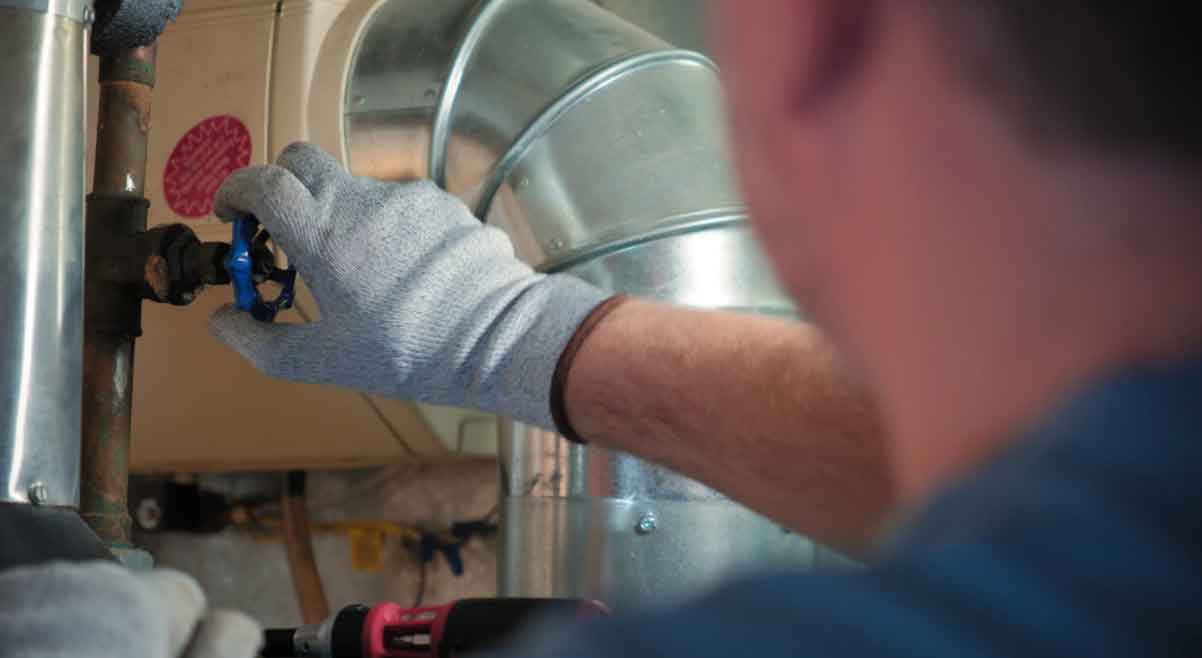
With routine maintenance, homeowners can optimize the lifespan of their heating systems, mitigating the need for frequent replacements. Investing in regular check-ups not only extends a furnace’s operational years but also ensures its efficiency. Such proactive measures are essential for maintaining the smooth and reliable operation of these intricate systems.
The integration of cutting-edge technology into furnace systems has, therefore, transformed them into lasting assets within the home. By prioritizing quality and innovation, manufacturers have established a new standard for performance and resilience. These developments underscore the importance of investing in modern technology for long-term benefits.
Evaluating Efficiency: A Leap Forward in Heating Systems
The efficiency of heating systems has seen unprecedented improvements thanks to recent technological advancements. According to the Department of Energy, while older furnaces operated at efficiencies ranging from 56% to 70%, contemporary systems can achieve ratings as high as 98.5%. This remarkable jump allows nearly all the fuel consumed by these systems to be transformed into usable home heat, setting a new benchmark for efficiency.
This transformation in efficiency derives not only from the materials used but also from smart design enhancements. Heat exchangers have been revamped, and advanced combustion techniques have been implemented, reducing waste and maximizing output. Such advances ensure that homeowners can enjoy coziness without excessive fuel consumption, thereby cutting down costs significantly.
Moreover, incorporating electronic ignitions has further improved the energy efficiency of these units. Moving away from traditional pilot lights reduces unnecessary energy use. This shift, embraced by modern technology, epitomizes how the furnace industry is striving toward eco-friendly solutions without sacrificing comfort.
The Crucial Role of Regular Maintenance
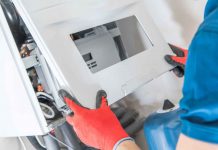
Regular maintenance plays a crucial role in sustaining the high performance of modern furnaces. According to This Old House, it’s imperative that an oil furnace undergoes a professional cleaning every 12 months to preserve its optimal state. This advice is rooted in the understanding that well-maintained systems operate more efficiently and withstand wear better over time.
Routine cleaning not only promotes efficient functioning but also enhances the safety of the furnace system. Over time, debris and residual build-up can hinder the system’s operations, potentially leading to malfunctions or safety issues. By scheduling annual cleanings, homeowners ensure that their heating systems remain secure and operationally sound.
Furthermore, units that are diligently cared for are often more reliable and less likely to encounter significant breakdowns. This preventative approach to maintenance ensures longevity and efficiency, reinforcing the importance of blending technological advancements with conscientious upkeep practices. Investing in regular service checks fosters a reliable heating environment, contributing to a more comfortable and safe home.
In conclusion, the evolution of furnace technology has provided homeowners with unparalleled benefits in terms of lifespan, efficiency, and safety. By embracing these technological advancements and adhering to essential maintenance practices, individuals can enjoy a warm, energy-efficient, and comfortable living space. As technology continues to advance, the future of home heating looks promising, with continuing improvements that promise greater sustainability and comfort.