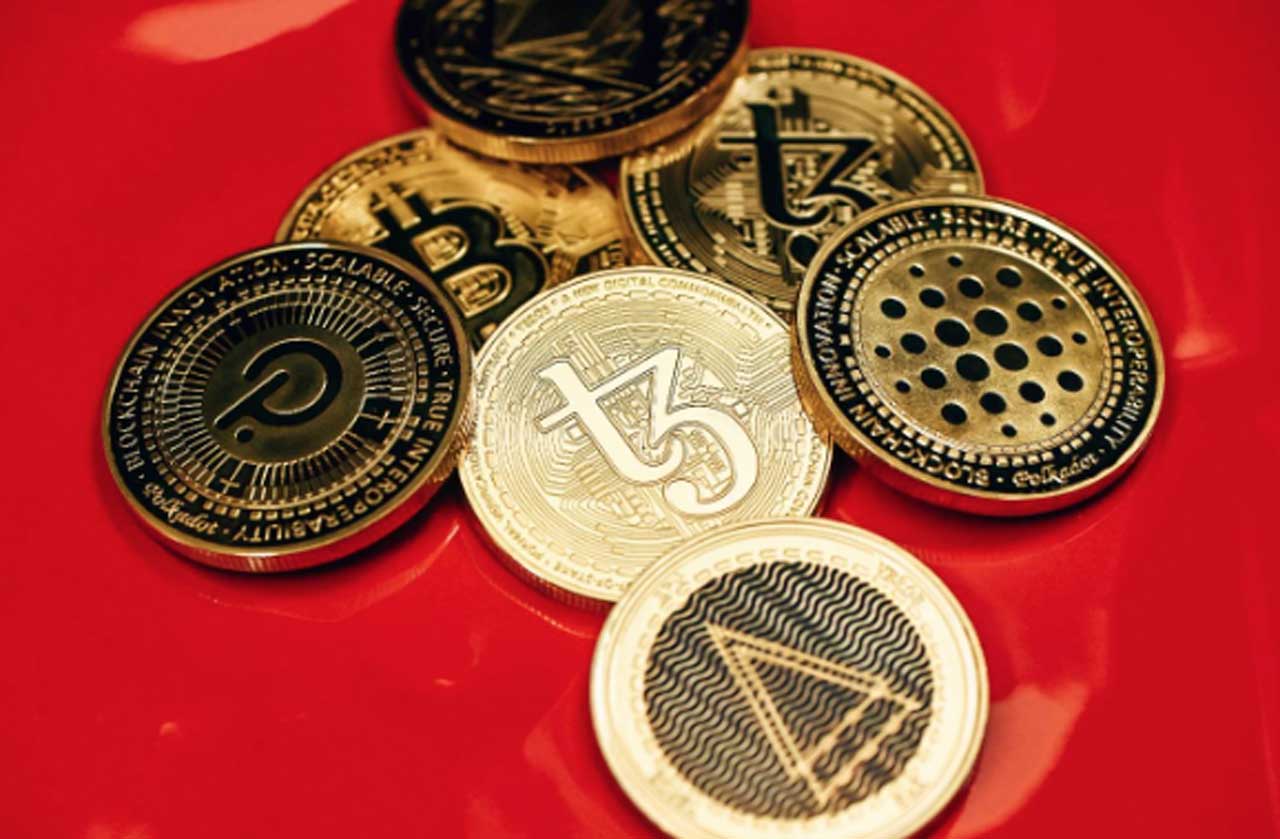
Crypto has moved well beyond the early adopter crowd. Canadian consumers are increasingly curious about using Bitcoin, Ethereum, and other digital currencies for everyday purchases — not just as investments. But curiosity and practicality are different things. Before swapping your credit card for a crypto wallet, it’s worth asking what the experience actually looks like on the ground.
The honest answer is: it depends heavily on what you’re buying and where. Crypto payments aren’t universally better or worse than traditional methods — they occupy a specific niche, and understanding that niche saves you frustration.
What Crypto Payments Cost You Today
Transaction fees are the first reality check. Crypto payments often involve network fees (called gas fees on Ethereum), exchange conversion fees, and sometimes merchant processing charges layered on top. On busy network days, gas fees alone can spike significantly, making small purchases genuinely uneconomical.
Then there’s the exchange rate risk. If you’re holding crypto and prices shift between the moment you initiate a transaction and when it settles, you could end up paying more — or less — than you expected. Unlike credit card chargebacks, crypto transactions are irreversible. If something goes wrong, there’s no recourse through your bank.
Which Canadian Retailers Accept Crypto Now
Mainstream crypto acceptance by Canadian retailers remains limited. A handful of tech-forward merchants and some service providers accept Bitcoin directly, but the broad grocery, clothing, and electronics sectors still run almost entirely on traditional payment rails. Peer-to-peer platforms and some niche online marketplaces are more accommodating.
One area where crypto payment infrastructure is genuinely mature is online entertainment. Canadians who want to play with crypto at online casinos will find dedicated platforms built specifically for digital currency deposits and withdrawals — often with faster processing than traditional banking methods. According to Canada’s financial consumer regulator, crypto assets are not legal tender in Canada, meaning merchants are never obligated to accept them, which explains why adoption remains uneven across industries.
Where Crypto Payments Genuinely Make Sense
Cross-border purchases are a legitimate sweet spot. Traditional credit cards often apply foreign transaction fees of 2–3%, plus unfavourable exchange rates. Crypto can sidestep those costs entirely when both parties transact in the same digital currency, making it useful for buying from international sellers or platforms.
Subscription services and digital goods — software licenses, VPNs, hosting plans — are another natural fit. Many providers in these categories have adopted crypto precisely because their customer base skews toward tech-savvy users who prefer it. Platforms like Bitbuy and NDAX have made acquiring crypto more straightforward for Canadians, with leading exchanges now supporting Interac deposits, reducing friction for those entering the space.
Is the Convenience Worth the Complexity?
For most everyday Canadian online shopping — clothing, household items, food delivery — crypto adds more friction than it removes. You need a funded wallet, you need a merchant who accepts it, and you’re giving up consumer protections that credit cards provide automatically. That’s a lot to trade away for a payment method that isn’t meaningfully faster or cheaper in most contexts.
Where crypto earns its place is in specific, deliberate use cases: international transactions, privacy-conscious purchases, or platforms built natively around digital currency. Understanding storage and security — including the value of cold wallets over keeping funds on exchanges — is essential before using crypto for any regular transactions. The technology is solid, but it rewards informed users who know exactly when to deploy it. For everyone else, the traditional payment stack still wins on simplicity.