Berlin, April 30, 1945 — With the thunder of Soviet artillery shaking the ruined capital of the Third Reich, Adolf Hitler, the Nazi dictator whose war of conquest plunged Europe into catastrophe, committed suicide on this day, in his underground bunker beneath the Reich Chancellery.
Hitler, 56, died as the Red Army closed in on the centre of Berlin.
His death came only days before the total collapse of Nazi Germany and the end of the Second World War in Europe. Beside him was Eva Braun, whom he had married less than two days earlier in a brief ceremony inside the bunker.
According to accounts from those present in the Führerbunker, Hitler shot himself, while Braun took poison.
Their bodies were carried into the Chancellery garden, doused with petrol, and burned, in keeping with Hitler’s instructions.
The act was meant to prevent his corpse from being displayed by Soviet forces, as had happened days earlier to Italian Fascist leader Benito Mussolini.
The once-boastful ruler of Germany spent his final weeks in a subterranean refuge, increasingly isolated, issuing impossible orders to shattered armies that no longer existed in any meaningful strength.
Above him, Berlin had become a battlefield of rubble, fire, and desperation. Civilians hid in cellars as Soviet troops fought street by street toward the government district.
Hitler’s suicide marked the effective end of the Nazi regime he had built through terror, propaganda, racial hatred, and war. Since taking power in 1933, he had destroyed German democracy, established a dictatorship, launched aggressive wars across Europe, and directed the genocide of six million Jews in the Holocaust, along with the persecution and murder of millions of others, including Roma, disabled people, Poles, Soviet prisoners of war, political opponents, and many more.
Before his death, Hitler named Grand Admiral Karl Dönitz as his successor. But the appointment could not save the collapsing Reich.
German forces in Berlin would surrender on May 2, 1945. Less than a week later, on May 7, Germany signed the act of unconditional surrender at Reims, followed by a second signing in Berlin on May 8, bringing Victory in Europe Day.
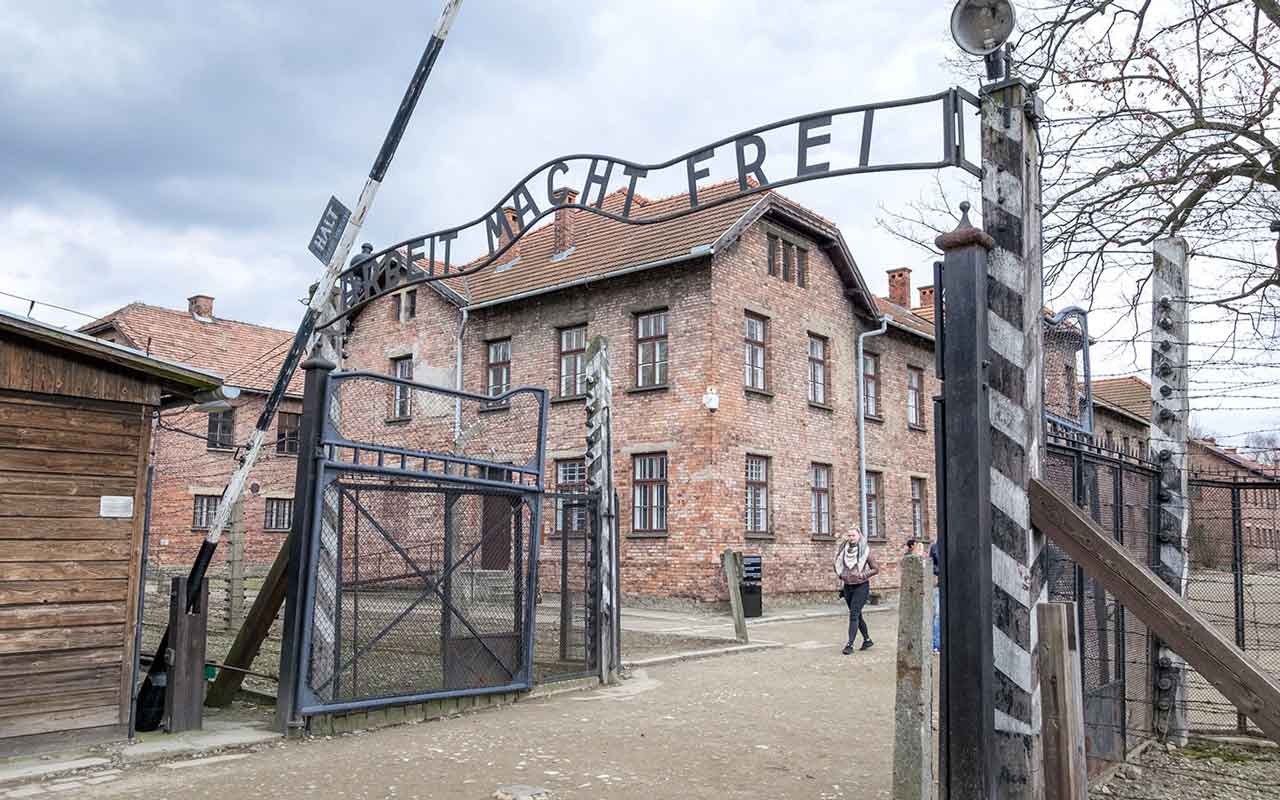
For the world, Hitler’s death was not the end of grief, but it signalled the approaching end of Nazi rule. Europe lay in ruins, millions were dead, and the full horror of the concentration and extermination camps was only beginning to be understood by the wider public.
On this day in 1945, Adolf Hitler died not as the triumphant conqueror he had imagined himself to be, but as a defeated dictator hiding beneath a shattered city, leaving behind a legacy of destruction, mass murder, and war.