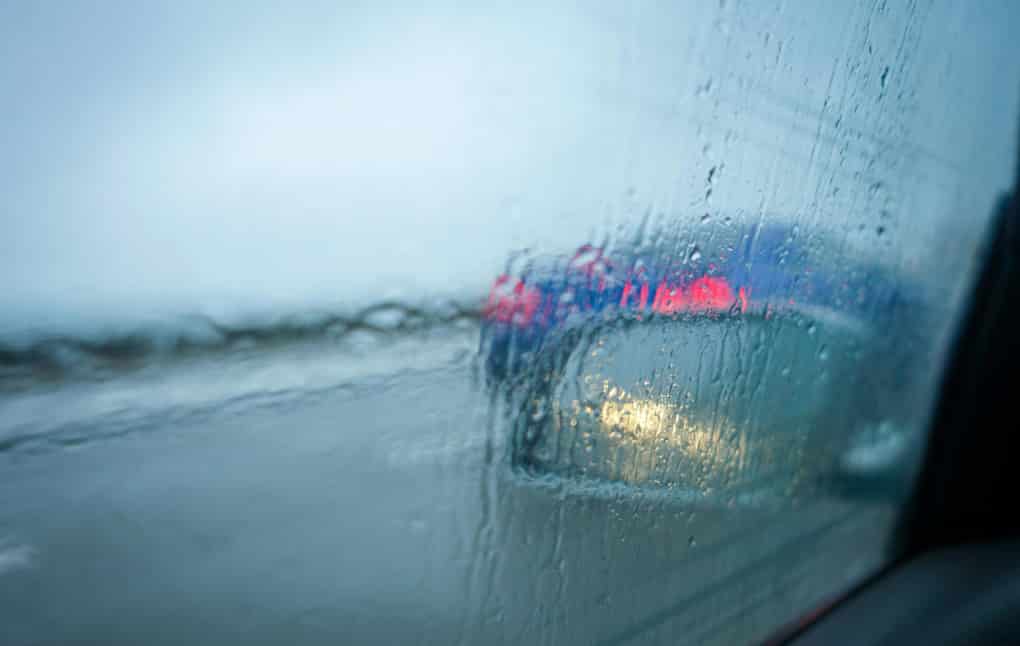
Bad weather raises crash risk, full stop. Rain, snow, heat, and shifting road conditions change how vehicles handle, how drivers react, and how quickly situations turn serious. Understanding those patterns helps drivers adjust habits and make smarter decisions about protection.
Most people assume careful driving alone is enough, though accident data tells a different story. Environmental factors often create risks that even experienced drivers cannot fully control. A closer look at seasonal trends and road conditions shows where the real pressure points sit.
Why Weather Plays A Bigger Role Than Most Drivers Expect
Weather changes traction, visibility, and reaction time all at once. A dry road offers predictable grip, while a wet or icy surface reduces tire contact and increases stopping distance.
Drivers often underestimate how quickly conditions shift during storms or temperature swings. A clear morning can turn into black ice or heavy rain within hours, catching even alert drivers off guard.
The Most Dangerous Conditions Drivers Face
Certain weather patterns consistently show higher accident rates. Each one introduces a different type of risk that requires specific awareness behind the wheel.
- Heavy rain reduces visibility and causes hydroplaning
- Snow and ice limit traction and extend braking distance
- Fog lowers visibility and distorts depth perception
- High winds affect vehicle control, especially for larger vehicles
- Extreme heat increases tire blowout risk
Recognizing these patterns helps drivers prepare before hitting the road rather than reacting too late.
Why Insurance Needs Shift With Driving Conditions
Changing risk levels mean insurance coverage should not stay static. Drivers who face frequent weather challenges or rough road conditions often carry higher exposure to claims.
Reviewing your policy with a focus on real-world driving conditions makes a difference. Exploring options like comprehensive and collision coverage through reliable providers can strengthen protection, especially when evaluating car insurance coverage for drivers.
Seasonal Shifts And Changing Risk Patterns
Each season brings its own driving challenges, and those challenges tend to repeat year after year. Winter often sees more multi-vehicle collisions, while summer introduces risks tied to speed and road trips.
Spring and fall create transitional hazards. Drivers deal with wet leave and unpredictable storms that make road conditions harder to read.
How Road Conditions Add Another Layer Of Risk
Weather is only part of the equation. Road quality and maintenance also influence how safe a drive feels and how quickly problems escalate.
Poorly maintained roads increase the chance of losing control. Potholes, uneven surfaces, and worn markings can make it harder to react quickly during already difficult conditions.
Common Road Hazards That Increase Accident Risk
Road conditions amplify weather-related dangers in ways many drivers overlook. These hazards tend to show up without warning and demand quick decisions.
- Potholes that damage tires or disrupt steering
- Standing water that leads to hydroplaning
- Faded lane markings that reduce visibility at night
- Construction zones with sudden lane changes
- Debris that forces abrupt maneuvers
Drivers who anticipate these issues tend to maintain better control in unpredictable situations.
Smart Ways Drivers Can Reduce Risk On The Road
Driving behavior still plays a major role even when conditions are less than ideal. Small adjustments in habits can lower the likelihood of accidents and insurance claims.
- Reduce speed during poor weather conditions
- Increase the following distance to allow longer stopping time
- Keep tires properly inflated and in good condition
- Use headlights appropriately to improve visibility
- Avoid sudden braking or sharp turns
Making Smarter Decisions Behind The Wheel
Driving conditions rarely stay constant, and that reality calls for flexibility.
Drivers who combine practical habits with the right level of protection place themselves in a stronger position.