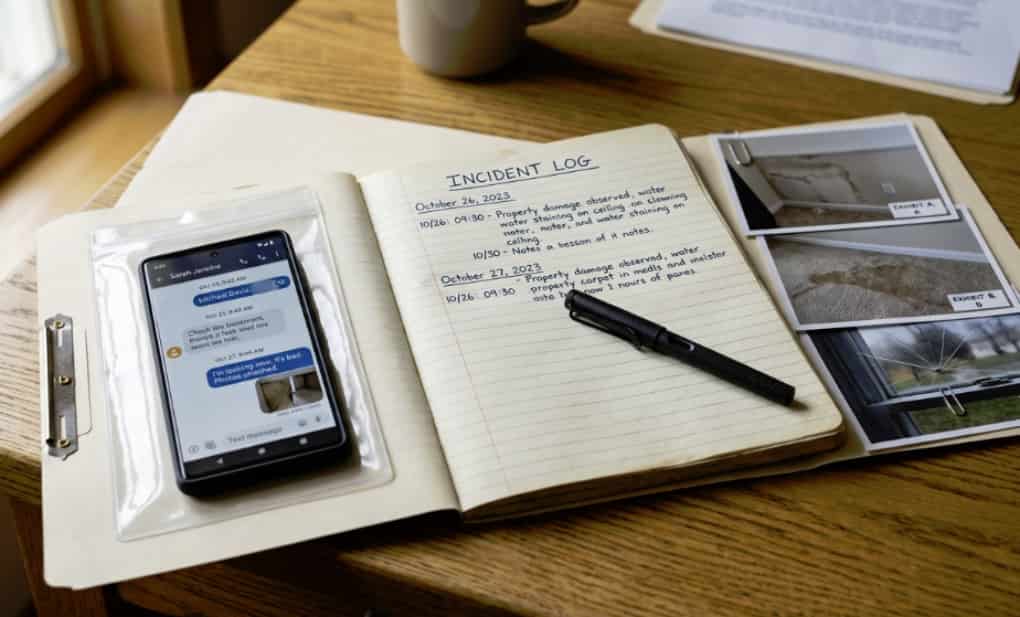
Around 10 million people every year experience some form of domestic physical violence in the US. Walking into a courtroom without a paper trail makes it incredibly difficult for a judge to grant the protection you need. You must transform your experiences into tangible proof that a legal system can interpret and validate.
Maintain A Detailed Incident Log
A dated journal serves as the backbone of your testimony. Record every interaction, noting the exact time, location, and specific words used during an altercation. This consistency makes it much harder for a defense to claim your memory is failing or that you are exaggerating the truth.
Local legal expertise must be sought. It is wise to talk to an injunction lawyer in Sanford if you are unsure how to format your notes when bringing abuse charges in Florida, for example. They can help you align your personal records with the specific criteria required by state-specific statutes, and this professional oversight ensures your log remains a powerful tool rather than just a private diary.
Preserve Digital Communication Threads
Threatening text messages and aggressive emails provide undeniable digital traces of abusive behavior. Do not delete these threads, even if they are painful to read. Instead, back them up to a secure cloud or a hidden device that the other party cannot access.
Screenshots are helpful, but full message exports are better. Courts increasingly rely on text messages and call logs to establish patterns of intimidation or coercive control. One single text admitting to an outburst can be the piece of evidence that changes the entire trajectory of your hearing.
This becomes even more relevant in cases involving domestic assault, where documented communication often helps establish a clear pattern of behavior over time.
Request Comprehensive Medical Records
Medical documentation provides an objective professional evaluation of your physical state. When you visit a doctor, be explicit about the cause of your injuries so they can record it accurately in your chart. These records confirm the severity of an injury in a way that your personal testimony cannot.
Wait for it, because the evidence is mounting, and medical proof remains the most objective asset. Doctors are trained to look for injuries of different ages, which helps prove a long-term pattern of abuse rather than a one-time accident. Always request copies of:
- Doctor notes describing visible marks
- Hospital intake forms from emergency visits
- X-rays or imaging showing internal damage
Capture High Quality Photographs
Photos of physical injuries or property damage serve as silent witnesses. Take pictures of bruises, cuts, or broken household items immediately while the evidence is fresh. Use a reference object, like a coin, to show the scale of a mark or the size of a hole in a wall, and follow photography tips to ensure the quality is sufficient.
Digital timestamps are vital for these images. If you wait even a few days, the severity of a bruise might fade, making it harder to prove the level of force used. A clear photo of a damaged door frame or a smashed phone provides physical context that verbal descriptions often lack.
Save Every Voicemail Recording
Audio evidence captures the tone and urgency that text cannot convey. If an abuser leaves a threatening or harassing voicemail, save it immediately to multiple locations. These recordings are often played in court to demonstrate a credible fear of imminent danger during an injunction hearing.
Listening to these recordings is difficult, but they prevent the abuser from claiming they were calm or misunderstood. An angry voice on a recording is much harder to explain away than a typed sentence. Ensure you have copies on a thumb drive and in your primary phone storage.
Collect Police Occurrence Numbers
Every time law enforcement is called and you report a crime, they generate a report. You do not always need the full 20-page document to start your case, but you must have the case or occurrence number. These numbers allow your legal team to subpoena officer body camera footage or official statements at a later date.
Police reports provide a third-party perspective from a trained observer. Even if no arrest was made at the time, the existence of a report shows that you reached out for help. This establishes a history of incidents that can be crucial for showing the court that the behavior is repetitive.
Secure Third-Party Witness Statements
Testimony from someone who is not involved in the relationship adds massive credibility. This can include neighbors who heard shouting, coworkers who saw you arrive with injuries, or friends who witnessed a public outburst. Written statements from these individuals can corroborate your timeline and strengthen your petition for a final injunction.
Witnesses offer a perspective that the court views as less biased than the two primary parties. If a teacher notices a change in your child’s behavior or a neighbor sees someone lurking outside your home, their testimony carries weight. Collect their contact information early so your legal counsel can reach them when the hearing date is set.
Manage Privacy and Digital Safety
Documenting abuse requires a high level of digital discretion. If an abuser has access to your phone or computer, they may discover your evidence and attempt to delete it or retaliate. Use incognito modes on browsers and consider using a friend’s device to store sensitive files.
Many survivors use encrypted apps or hidden folders to keep their logs safe. Changing your passwords frequently and checking for tracking software on your devices are necessary precautions. Your safety remains the priority, even as you work to build a legal case for your future.
Prepare For Your Injunction Hearing
The day of the hearing is often the most stressful part of the entire process. Having your documents organized in a binder with tabs for each category of evidence helps you stay calm under pressure. When the judge asks a question, you can point directly to a specific photo or medical record.
Practicing your testimony with a trusted advocate can help you find your voice. Focus on the facts you have documented rather than getting lost in the emotional turmoil of the situation. Your evidence is there to speak for you when words feel like they are not enough.
Strengthen Your Legal Protection
Taking these steps provides the evidence needed to secure your future safety. While documentation is exhausting, it builds a wall of facts that protects you during high-stress hearings. Reviewing your gathered evidence with a professional can help you stay organized and focused on the facts.
Our site is packed with other posts pertaining to a range of topics, including more legal tips and guidance, so you don’t need to go anywhere else if you’ve still got questions about your circumstances.