CBSA urges Easter travellers to plan ahead for smoother border crossings
THUNDER BAY — The Canada Border Services Agency is urging travellers to prepare before heading across the border for the Easter long weekend, warning that holiday traffic can mean longer waits and more delays at ports of entry. For Northwestern Ontario residents, that message matters most at Pigeon River, the Canada-U.S. crossing in Neebing linked to Grand Portage, Minn., where many Thunder Bay-area travellers enter or return to Canada by road.
Holiday travellers told to expect busy periods at the border
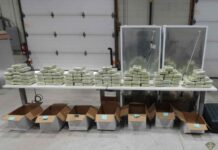
In a national advisory issued Tuesday, the CBSA said officers welcomed more than 82 million travellers in 2025, intercepted more than 83,200 kilograms of illegal drugs and kept more than 17,700 weapons and firearms from entering Canadian communities. The agency said travellers who arrive prepared help speed up lawful crossings and give officers more time to focus on dangerous goods and inadmissible people.
The agency’s advice is straightforward: have travel documents ready, declare everything you are bringing into Canada, keep receipts for goods purchased abroad and check border wait times before leaving. CBSA also says early mornings are usually the best time to cross, while Mondays on holiday long weekends tend to be the busiest.
What Thunder Bay and area travellers should know
For local motorists, the Pigeon River port of entry is open 24 hours a day for travellers and commercial traffic, according to the CBSA directory. The crossing is listed as Pigeon River in Neebing, with the U.S. port identified as Grand Portage, Minn.
CBSA also maintains an online border wait-time page for 29 of Canada’s busiest land crossings and says those estimates are updated at least hourly. The agency notes that holiday traffic, major events and enforcement activity can all affect wait times, meaning travellers should check conditions close to departure.
Food, gifts, cannabis and firearms all get special attention
The agency says visitors bringing gifts into Canada should leave them unwrapped or in gift bags in case officers need to inspect them. Easter chocolate is allowed for personal use within applicable limits, but travellers are being warned not to bring raw poultry products or homemade food containing poultry across the border without first checking current restrictions.
CBSA is also repeating a warning that cannabis remains illegal to transport across the border without specific authorization from Health Canada, even if it is legal in Canada and even if the traveller has a medical prescription. The same goes for trafficking any other drugs. Travellers are also being encouraged to leave firearms and weapons at home unless they have reviewed the import rules carefully in advance.
Travelling with children or unsure what to declare?
Travellers bringing children who are not their own, or for whom they do not have legal custody, should carry a consent letter from a parent or legal guardian. CBSA says officers may ask extra questions if that documentation is missing.
For anyone unsure about what can be brought back into Canada, the agency’s advice is simple: ask. CBSA says the best way to save time at the border is to be open and honest with officers, and travellers with questions can contact the agency before they arrive.