A decade after the TRC’s Final Report and its 94 Calls to Action, independent trackers say only 13–15 have been fully implemented. Survivors led the country to the truth—now Canadians, including here in Northwestern Ontario, are asking governments to demonstrate results and confront residential school denialism.
Looking back—and forward—on September 30
Thunder Bay – National News – September 30 is the National Day for Truth and Reconciliation—a time to honour the children who never returned, Survivors, their families and communities, and to reckon with the ongoing impacts of residential schools.
The day responds directly to Call to Action #80, which sought a statutory day of commemoration; it has been observed federally since 2021.
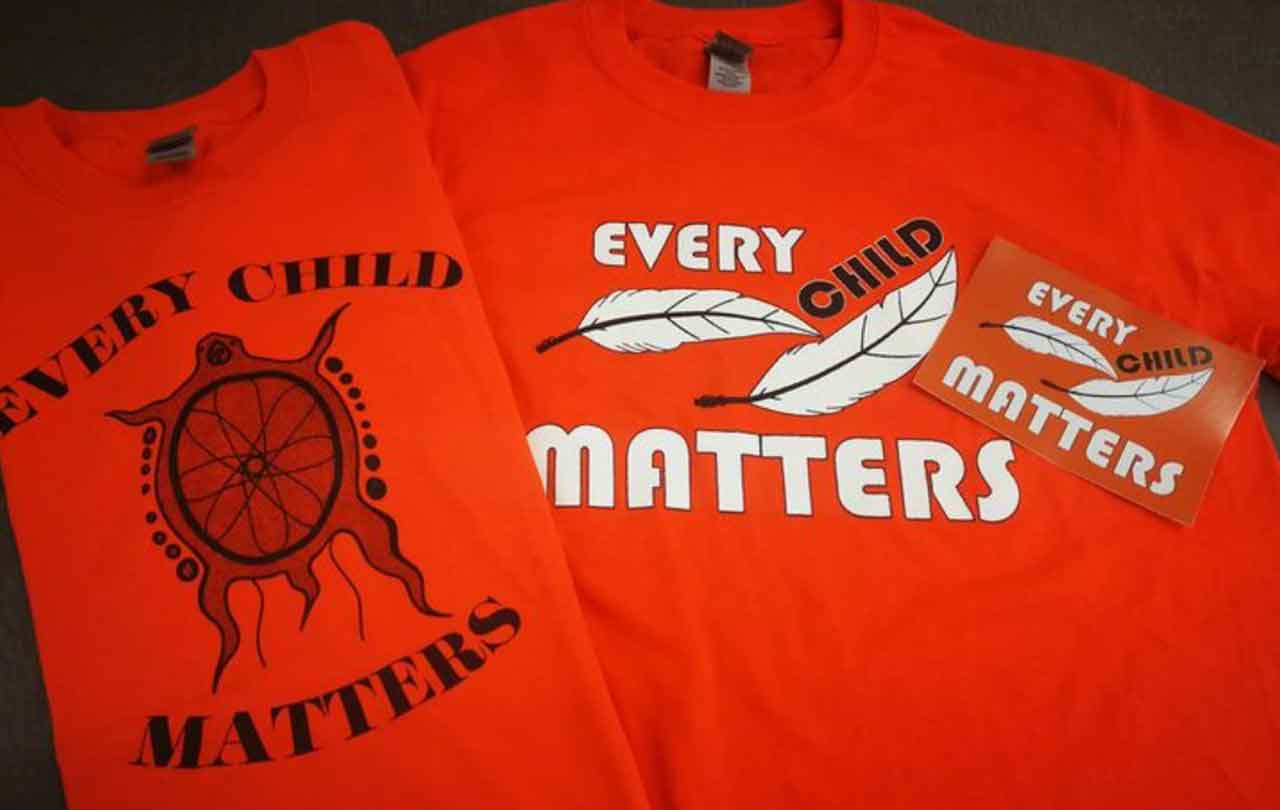
The reality perhaps today as local schools are closed to respect the day, as many people wear their Orange Shirts or walk to remember, is that the real truth is that not enough has been done since Senator Murray Sinclair delivered his report.
The Truth and Reconciliation Commission (TRC) was created as part of the Indian Residential Schools Settlement Agreement. From 2007 to 2015, the TRC travelled the country and heard testimony from more than 6,500 witnesses, many of them Survivors who relived profound trauma to ensure their truths were recorded. The Commission’s Final Report (2015) articulated 94 Calls to Action—a roadmap for governments, institutions and the public.
Political Sunshine?
While progress takes time, what perhaps is most distressing is that over the past decade, the amount of talk about reconciliation has overshadowed the real work. Former Prime Minister Justin Trudeau who declared that his most important relationship was with Canada’s Indigenous people because a major promise maker and a minor promise keeper.
Ten years later: How many Calls to Action are complete?
Different credible trackers tally progress slightly differently, but the picture is consistent: far too slow.
-
Assembly of First Nations (Sept. 2025): About 13 Calls completed; no new completions in 2024–25.
-
Indigenous Watchdog (2025 summary): 14 completed; warns many remain “not started” or stalled.
-
CBC’s Beyond 94 (as of mid-2025, summarized): 15 completed.
Whichever benchmark you choose, only about 14–16% of the Calls have been fully realized a decade on—well short of the ambition Survivors entrusted to the process.
Thunder Bay & Northwestern Ontario: Where reconciliation is lived
Reconciliation isn’t only policy—it’s practice. Across Turtle Island and here at home, more schools, post-secondary programs, and institutions are integrating Indigenous histories, languages, and land-based learning; communities are expanding Survivors’ services and ceremony.
Yet Survivors and Elders repeatedly remind us that system change—in child welfare, justice, health, education, and data transparency—must follow words.
For Northwestern Ontario specifically:
-
Education & youth: School boards and Lakehead-area institutions continue to expand Indigenous content and support Elders-in-residence, but Calls connected to systemic gaps in K–12 and post-secondary outcomes require sustained investment, not year-to-year pilots.
-
Health & healing: Access to culturally safe care remains uneven across the region; progress on health-related Calls (#18–24) is crucial for remote and urban Indigenous populations alike.
-
Justice & data: Calls on Justice (#25–42) and Missing Children & Burial Information continue to shape conversations with Thunder Bay–area agencies about data sharing, policing, and respectful investigation protocols.
These are places where local governments, institutions, unions, businesses and citizens can measure their own contributions—because reconciliation, ultimately, will be decided by what we do here at home.
Denialism: Confronting a corrosive barrier
One of the most urgent challenges Survivors identify is residential school denialism—content that minimizes, denies, or reframes the intent and harms of the system contrary to the historical record, legal findings and decades of peer-reviewed research. Canada’s Criminal Code explicitly criminalizes Holocaust denial via s.319(2.1) (wilful promotion of antisemitism by condoning, denying, or downplaying the Holocaust). That provision was added in 2022–2023 as part of Parliament’s effort to curb hate.
Whether Parliament should create a parallel offence addressing the denial of the genocidal nature and impacts of the residential school system is a live public-policy question. Survivors and many Indigenous leaders argue that, if Canada recognizes the genocidal intent and legacy of the schools, then treating denialism with the same seriousness is consistent and necessary to protect communities from harm. Others will raise charter, academic-freedom, and definitional concerns. What isn’t debatable is the duty—on this day and every day—to challenge misinformation and to centre Survivors’ truths in classrooms, newsrooms, and public debate. (Background on NDTR and the TRC’s factual record is available from federal sources and the National Centre for Truth and Reconciliation.)
What meaningful progress looks like in the next decade
-
Finish the finishable: Several Calls require policy direction, regulations or funding—not years of structural overhauls. Those should be completed immediately.
-
Tackle the hard ones openly: For Calls that require deep reforms (e.g., jurisdiction in child welfare, justice accountability, languages infrastructure), publish time-bound workplans with budgets and shared leadership by First Nations, Inuit and Métis governments.
-
Independent measurement: Canadians deserve a single public, Indigenous-led scorecard aligned across AFN, Indigenous Watchdog, and Beyond 94 methodologies—updated quarterly, not annually—so the country can see movement (or lack thereof) in real time.
-
Local accountability: In Thunder Bay and across the North, set regional targets (education outcomes, hiring and retention in public services, access to land-based healing, data transparency in justice) and report them annually with Elder governance.
Our editorial stance
NetNewsLedger’s editorial position is grounded in journalistic evidence and community accountability. On this National Day for Truth and Reconciliation, we affirm: Survivors already did the hardest work—telling the truth. The next decade must be about proof: publicly verifiable, independently measured implementation of the Calls to Action—without equivocation, and with the courage to confront denialism and hate when they appear.