Many people rely on glasses or contact lenses to manage vision problems such as nearsightedness and astigmatism. Although corrective eyewear is effective, some individuals seek alternatives that may offer greater convenience in their daily routines. LASIK is a surgical procedure used to correct certain refractive errors.
Understanding how LASIK works, who may qualify, and what to expect during recovery can help individuals make informed decisions about vision correction.
What Is LASIK Eye Surgery?
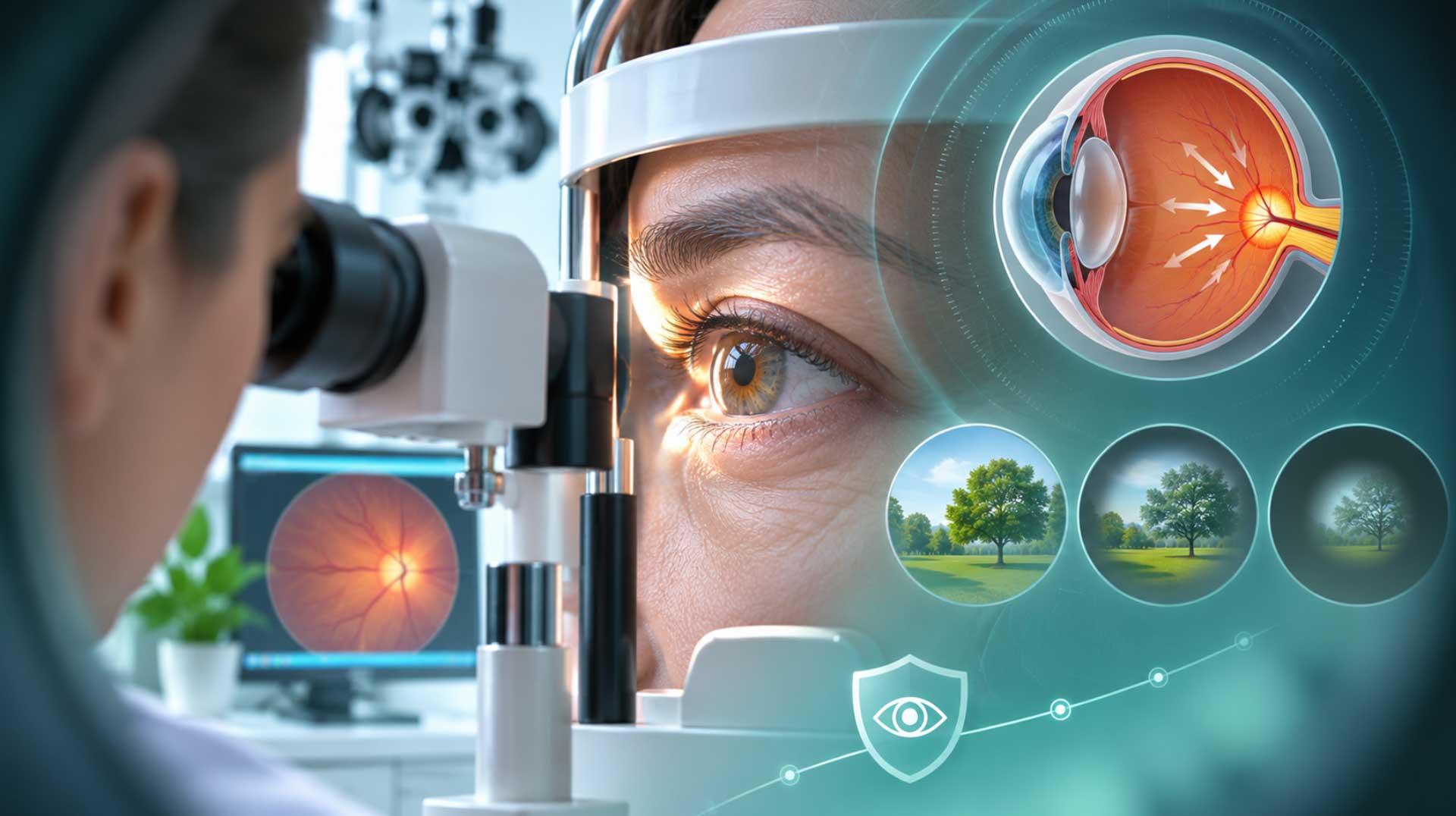
LASIK, or laser-assisted in situ keratomileusis, is a refractive surgery designed to improve vision by reshaping the cornea. The cornea is the eye’s transparent front surface that helps focus light onto the retina.
When the cornea’s shape causes light to focus incorrectly, refractive errors can result. LASIK uses specialized laser technology to reshape the cornea, helping light focus more accurately.
People researching local treatment options may use the search term LASIK Calgary when exploring available procedures, consultation options, and eligibility requirements.
Which Vision Problems Can LASIK Correct?
LASIK commonly corrects certain refractive errors, but suitability depends on individual eye measurements and overall eye health.
- Nearsightedness (myopia): Makes distant objects appear blurry.
- Farsightedness (hyperopia): Can make close-up objects difficult to see clearly.
- Astigmatism: Causes blurred or distorted vision due to an irregular curvature of the cornea.
The degree of correction possible depends on the patient’s prescription, corneal structure, and other clinical factors. LASIK may not be suitable for every prescription or eye condition.
Who May Be a Suitable Candidate?
Not everyone is eligible for LASIK. A detailed eye examination is necessary to determine whether the procedure is appropriate.
Common factors considered during an assessment include:
- A stable vision prescription.
- Adequate corneal thickness.
- Healthy corneal structure.
- Absence of certain eye diseases.
- Appropriate age for the procedure.
- Overall health and healing considerations.
Individuals with severe dry eye, unstable prescriptions, certain corneal conditions, or other eye health concerns may require alternative approaches to vision correction.
A consultation with an eye-care professional found through searches such as “eye doctor Calgary” can help patients understand the assessment process, discuss their vision concerns, and determine whether further evaluation for laser vision correction is appropriate.
What Happens During the LASIK Procedure?
LASIK is generally performed as an outpatient procedure. After applying numbing eye drops, the surgeon creates a thin corneal flap using specialized equipment or laser technology.
The underlying corneal tissue is then reshaped using an excimer laser according to the patient’s prescription. The flap is repositioned, and the eye begins its healing process.
The procedure is typically relatively short, although preparation, measurements, and post-operative instructions are important parts of the overall treatment experience.
Recovery and Post-Operative Care
Recovery varies between individuals, but many patients notice improvements in vision relatively quickly after LASIK.
Temporary symptoms may include:
- Dryness or irritation.
- Mild discomfort.
- Light sensitivity.
- Fluctuating vision.
- Glare or halos around lights.
Patients should follow their surgeon’s instructions, use prescribed eye drops, avoid rubbing their eyes, and attend scheduled follow-up appointments. Activities such as swimming and strenuous exercise may need to be avoided temporarily.
Potential Risks and Limitations
Although LASIK can improve vision for suitable candidates, it carries risks. Possible complications include dry eyes, glare, halos, undercorrection, overcorrection, and changes in visual quality.
Some patients may still require glasses for certain activities or additional treatment in the future. LASIK also does not prevent age-related eye conditions such as cataracts or presbyopia.
A thorough pre-operative assessment and realistic expectations are important when considering any refractive surgery.
Final Thoughts
LASIK can offer greater freedom from glasses or contact lenses for many appropriately selected patients. However, the procedure requires careful evaluation of eye health, prescription stability, corneal structure, and individual expectations.
Learning about the benefits, limitations, risks, and recovery requirements before surgery can help individuals make more informed decisions. A comprehensive eye examination is an important first step when exploring vision correction options.