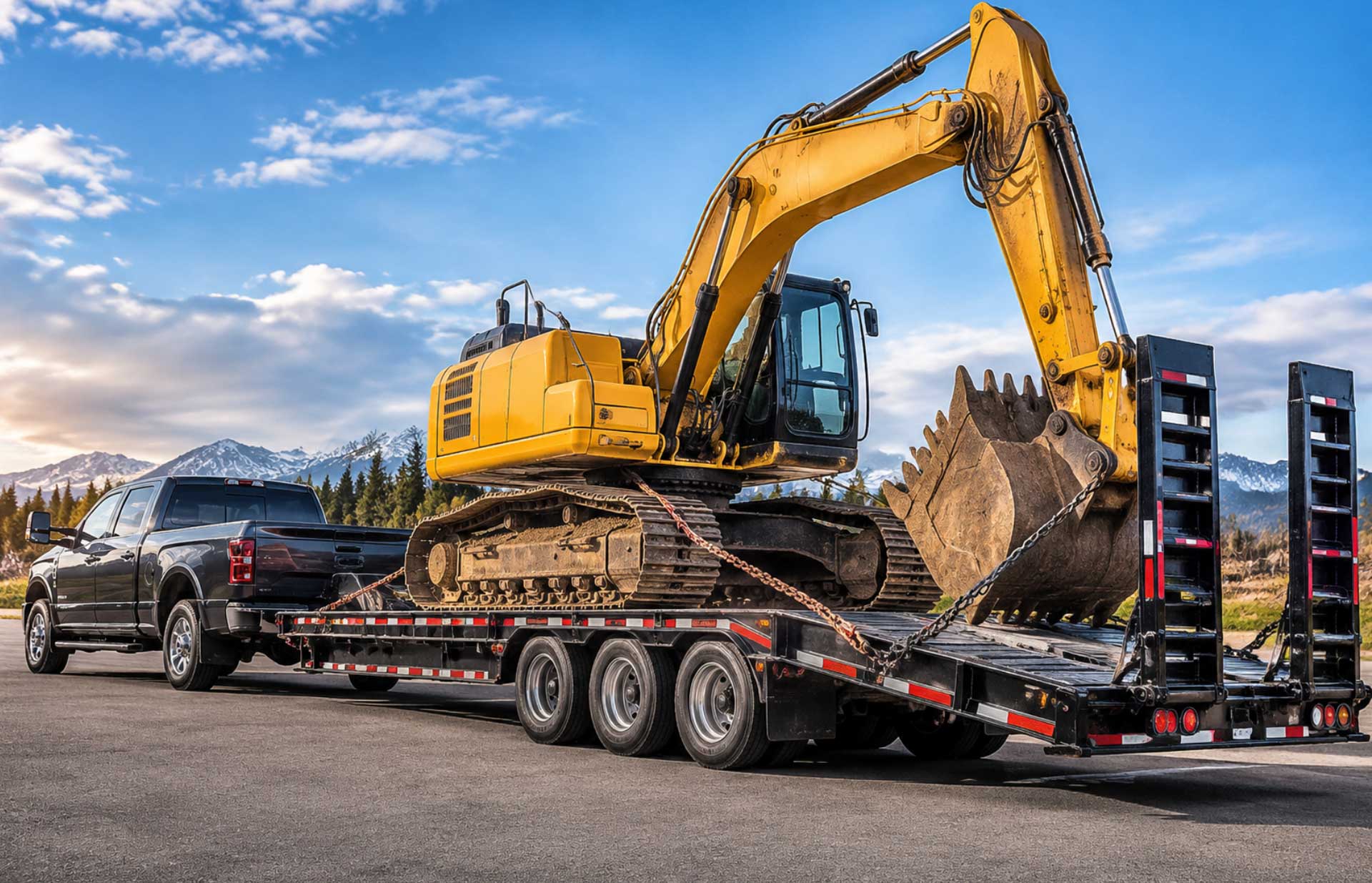
Transporting machinery, construction equipment, and industrial freight requires careful planning to ensure shipments are handled safely and efficiently. The size and weight of equipment can create logistical challenges, especially when shipments cover long distances, face changing road conditions, and must meet regulatory requirements. Choosing suitable transportation equipment and preparing freight properly can help businesses reduce delays and improve shipment coordination.
Selecting the Right Trailer for Machinery
Trailer selection is one of the most important aspects of heavy equipment transportation. The trailer type should match the cargo’s dimensions, weight, loading requirements, and destination route.
A step deck trailer offers a lower deck configuration that can accommodate taller machinery and freight. Its design can provide more vertical clearance than conventional flatbed trailers, making it a practical option for transporting certain types of construction equipment, agricultural machinery, and industrial components.
Planning Heavy Equipment Transportation in Calgary
Transporting machinery requires an understanding of local road conditions, freight dimensions, loading facilities, and transportation regulations. Businesses moving equipment through Calgary may need to account for traffic patterns, road restrictions, delivery-site accessibility, and the distance between pickup and destination.
When evaluating Calgary trucking companies, businesses should consider available trailer types, transportation capabilities, equipment-handling requirements, and experience with different freight sizes. Comparing these factors helps determine whether a transportation arrangement suits the shipment.
Proper planning can also help businesses coordinate delivery schedules, arrange loading equipment, and prepare receiving locations before the truck arrives.
Preparing Machinery Before Pickup
Preparing equipment before transportation can help reduce loading complications and improve cargo security. Businesses should consider the following steps:
- Measure the equipment: Record the length, width, height, and weight accurately.
- Inspect the machinery: Identify loose parts, attachments, or components that may require separate securement.
- Prepare loading access: Ensure the pickup location has adequate space and suitable loading equipment.
- Review securement requirements: Determine which chains, straps, or other securement devices are appropriate.
- Check transportation restrictions: Consider applicable weight and dimension regulations, permits, and route limitations.
Importance of Route Planning and Safety
Route planning is essential when transporting heavy machinery. Bridges, road restrictions, turning radius, construction areas, and weather conditions can affect the transportation route. Depending on cargo dimensions and weight, special permits or additional arrangements may be required.
Proper cargo securement and balanced loading are equally important. Freight should be positioned and secured to help minimize movement during transit. Pickup and delivery sites should also be assessed for ground conditions, access, and unloading requirements.
Final Thoughts
Efficient machinery transportation starts with preparation and selecting suitable transportation equipment. Accurate measurements, appropriate trailer selection, secure loading, and route planning help businesses manage freight movement more effectively. By addressing transportation requirements in advance, businesses can reduce avoidable delays and support safer heavy-equipment delivery.