Ask five drivers how often they change their oil and you will get five answers, usually a round number someone repeated to them years ago. The number itself is the least useful part of the answer. What matters is the set of conditions that number was calculated for, and whether those conditions look anything like the way your car is actually driven.
For most Canadian drivers, they do not.
What Sets an Oil Change Interval in the First Place
An interval is not a property of the oil alone. It comes from three things working together: the engine’s design, the grade and type of oil specified for it, and the conditions the engine runs in. Change any one of those, and the interval moves.
This is why the only interval that applies to a specific car is the one printed in that car’s owner’s manual, and why almost every manual lists two schedules rather than one. The second schedule, usually called “severe service”, exists because the manufacturer knows the first one assumes conditions many owners never see.
Why Canadian Winter Driving Shortens the Interval
Cold is the part that gets underestimated. Oil is thickest at startup, which is exactly when it has the farthest to travel and the most surfaces to reach. Much of an engine’s wear happens in those first moments before the oil is warm and circulating properly, which is why the number of cold starts matters more than the distance between them.
Winter is where that adds up. A car that sits outside overnight, gets driven a few minutes to a nearby stop, sits again all day, and is driven home has started cold twice without ever running long enough to burn off what collects in the oil. In a Thunder Bay January that is a normal day, not an unusual one.
Setting an interval against how a car is actually driven rather than against a generic number takes a shop that sees the same vehicle through every season. That is why KMF Automotive will put one customer on a shorter interval and leave another on the standard one, even when both drive the same model.
Conventional, Synthetic Blend and Full Synthetic Oil Intervals
The three grades behave differently in the cold, and the gap between them is widest at startup.
Conventional oil thickens most as the temperature drops, which is why it carries the shortest intervals and why fewer vehicles still specify it. Synthetic blend sits in between: part conventional, part synthetic, with better cold flow than straight conventional but less stability at high temperature than a full synthetic. Full synthetic is the most stable at both extremes and flows best when cold, which is one reason most newer vehicles specify it, alongside fuel economy and emissions targets.
What none of them do is override the manual. Putting synthetic oil in an engine whose schedule was written for conventional oil does not extend that schedule, and many manufacturers now specify a particular synthetic grade as a requirement rather than an upgrade. Using a heavier or lighter grade than specified changes how the oil behaves at startup, which is the moment that matters most here.
Short Trips and Stop-and-Go Driving Count as Severe Service
Most people assume severe service means towing a trailer up a mountain. In practice, the list in a typical owner’s manual includes short trips, frequent idling, stop-and-go traffic, extended cold-weather operation, and dusty conditions.
Read that list honestly, and a winter commute across a city qualifies several times over. Oil that never reaches full operating temperature does not burn off the moisture and fuel that collect in it, and that dilution degrades the oil faster than hard highway driving does. The driver who thinks they are being easy on the engine is often the one on the severe schedule.
What the Oil Change Reminder Light Does Not Measure
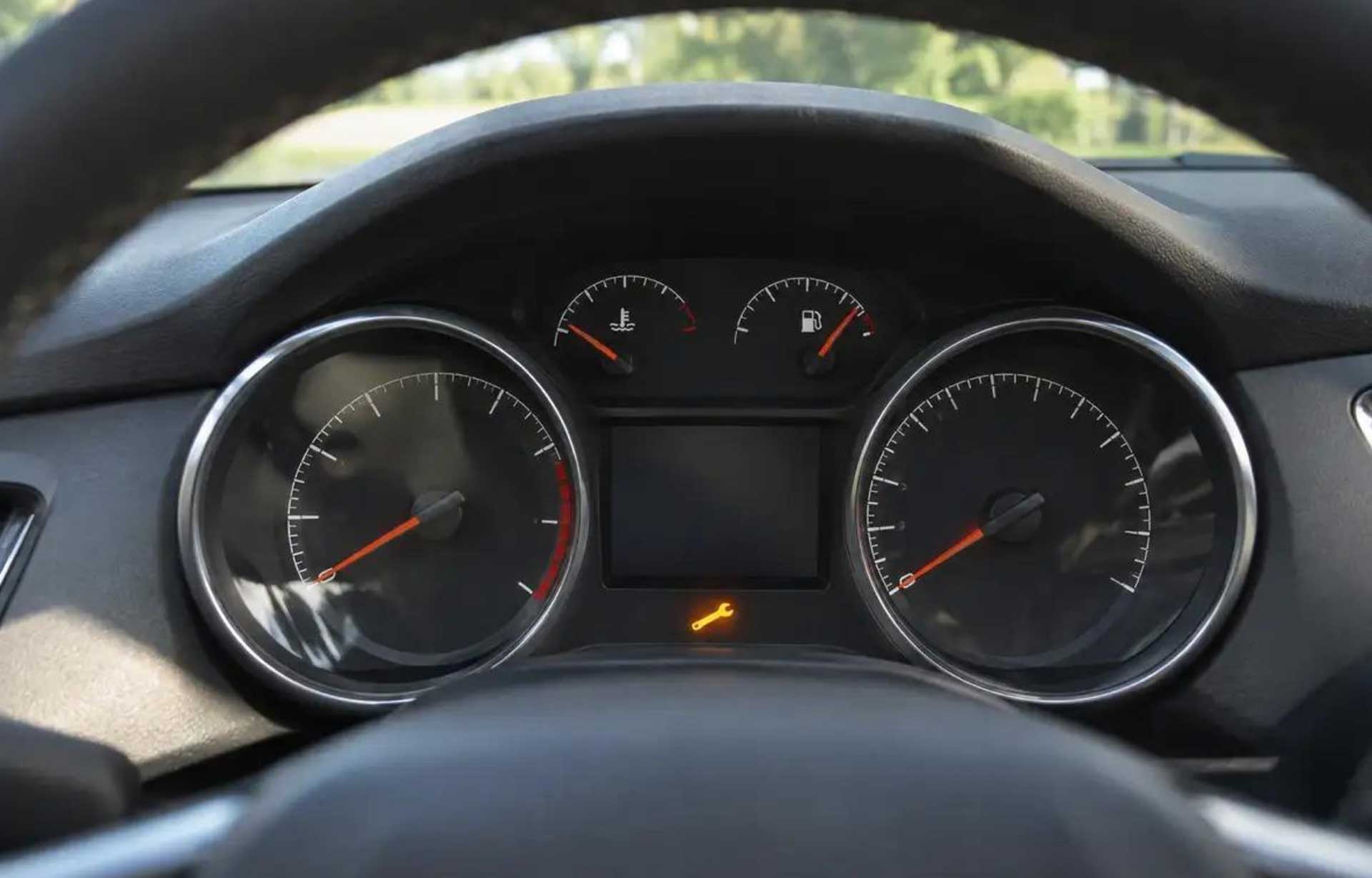
Modern oil life monitors are a genuine improvement over a sticker in the windshield. They track engine revolutions, operating temperature, trip length, and similar inputs, and they adjust the estimate accordingly.
What they do not do is look at the oil. No production system samples the oil itself or detects contamination, a slow coolant leak, or an engine consuming oil between services. The light is a calculation, not a measurement, and it cannot tell you the level is low. Checking the dipstick monthly still catches what the dashboard will not.
Pairing an Oil Change With Brake, Tire and Alignment Checks
The practical value of a regular oil change is partly the oil and partly the visit. It is the one appointment most drivers keep on a schedule, and for many it is the only time all year the car goes up on a hoist.
That makes it the natural moment to check brake pad thickness, tire wear patterns, and steering alignment, because each of those gives a warning well before it becomes a complaint. Uneven tire wear in particular is usually the first evidence of an alignment problem, and it is far easier to see with the wheels off the ground than to feel from the driver’s seat.
The answer to the original question, then, is that there is no national interval. There is the one in your manual, the schedule that matches how you actually drive, and a quick look at the dipstick in between.