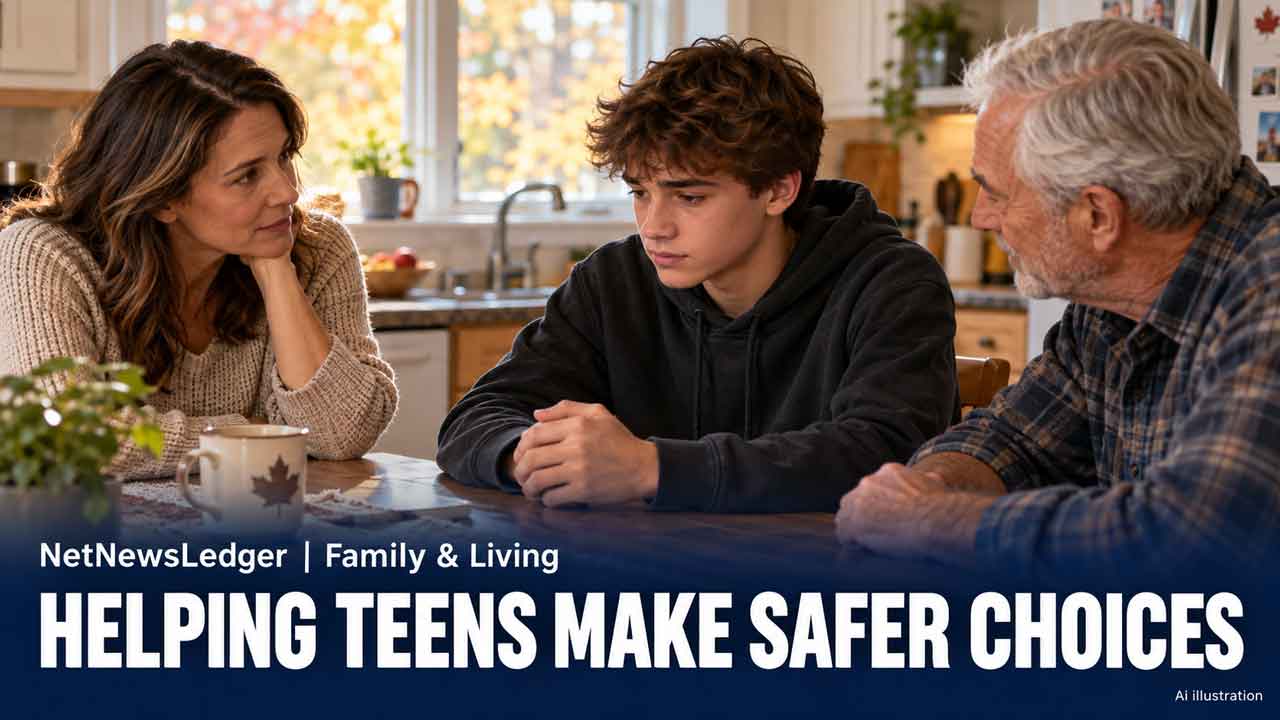
Practical guidance for parents and grandparents on teen alcohol and drug use, clear boundaries, safer choices and finding support in Thunder Bay and Northern Ontario
Clear boundaries, honest conversations and early professional help can give families a way forward when alcohol, cannabis and other drugs become a concern
THUNDER BAY — A teenager comes home impaired, breaks curfew, skips school or turns every conversation into an argument. Parents and often grandparents can find themselves swinging between anger, fear and exhaustion.
The temptation is to deliver a tougher lecture, impose a bigger punishment or demand an immediate promise that it will never happen again.
But helping a teenager make safer choices usually requires something more sustained: a strong relationship, clear expectations, practical safety measures and professional support when substance use is becoming harmful.
Adults do not have to accept dangerous behaviour. They do need to keep a path open for the young person to ask for help.
Deal with immediate danger first
A conversation about consequences can wait when a teenager may be experiencing an overdose or medical emergency.
Call 911 immediately if the young person cannot be awakened, is breathing slowly or abnormally, or has blue, grey or purple lips. Do not assume they can safely “sleep it off.”
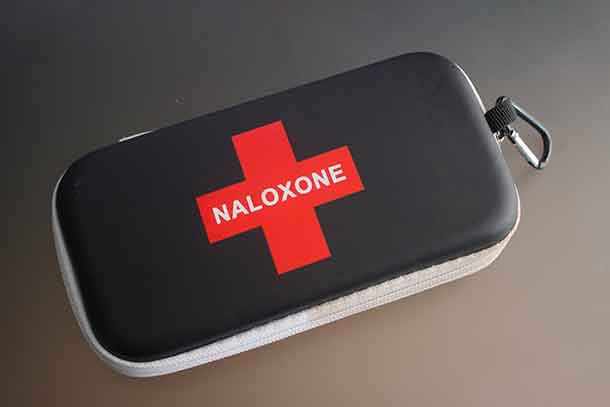
If an opioid overdose is possible, administer naloxone if available, follow the kit and emergency dispatcher’s instructions, and stay until help arrives. Naloxone’s effects can wear off, so emergency medical attention remains essential. Counterfeit pills and other unregulated drugs can contain unexpected opioids.
If someone is violent or threatening immediate harm, move other family members to safety and call for emergency assistance. A parent or grandparent should not put themselves in danger trying to win a confrontation.
Choose a sober moment to talk
A teenager who is intoxicated, furious or surrounded by friends is unlikely to absorb a lengthy discussion about responsibility.
Choose a calmer, private moment. Describe what happened without turning the behaviour into the young person’s identity.
An opening might sound like this:
“I love you, and I’m worried. You came home impaired twice this week and missed school. We need to understand what is happening and make a plan to keep you safe.”
Ask questions that leave room for an honest answer: What do they like about using? What happens beforehand? Are they trying to fit in, sleep, manage anxiety or avoid painful feelings?
Listening does not mean agreeing. It helps adults understand what needs to change.
The American Academy of Pediatrics advises ongoing, open conversations and warns that shaming or scare tactics can undermine trust and encourage secrecy.
Take cannabis seriously without exaggerating
Cannabis being legal for adults does not make it harmless for teenagers.
The Canadian Paediatric Society identifies risks involving attention, memory, judgment and coordination, as well as anxiety and other mental health concerns. Some young people develop problematic use or dependence.
Edibles pose additional challenges because effects can be delayed, while concentrated products can deliver substantial amounts of THC.
Use accurate information. Dramatic claims that a teenager can easily disprove may weaken confidence in everything else an adult says.
Realize of course a mantra of “Do as I say, not as I do” is likely to never work with a teenager.
Set a few clear, enforceable boundaries
Clear and consistent expectations give teenagers structure. Explain the safety reason behind a rule and discuss it before the next crisis.
A written family plan could include:
- Check-ins: Agree on where the teenager will be, who they are with and when they will return.
- Transportation: No driving after using alcohol or drugs, and no riding with an impaired driver.
- Safety at home: No threats, violence or supplying substances to others.
- Responsibilities: Establish realistic expectations for school attendance, appointments and household tasks.
- Review: Set a time to discuss what is working and how privileges can be regained.
Consequences should be proportionate, predictable and connected to the behaviour. An unsafe outing might lead to closer supervision of the next one.
Avoid announcing punishments in anger that nobody can sustain. Do not make food, essential care or a safe place to sleep conditional on perfect behaviour.
Give the teenager a voice in the plan. Adults still set safety limits, but asking “What would help you follow this?” can reveal practical barriers.
Make asking for help safer than hiding
Families can oppose substance use while preparing for the possibility that it will happen.
Establish a pickup agreement: if the teenager feels unsafe, they can call a trusted adult for transportation. The immediate response should focus on getting them home safely. Discussion and reasonable consequences can follow when everyone is sober and calm.
Talk explicitly about avoiding unknown pills, mixing substances and using alone. Encourage teenagers to call for emergency help if a friend becomes unresponsive instead of leaving them behind.
Kids Come First’s guidance for caregivers includes avoiding substance combinations, impaired driving and solitary use as ways to reduce harm. These precautions do not make substance use safe, but they can reduce some immediate dangers.
Keep alcohol, cannabis and medications secured. Adults should also consider what their own behaviour teaches about coping with stress and using substances.
Look for patterns and seek help early
Not every teenager who experiments has a substance use disorder. However, repeated intoxication, using before school, withdrawing from usual activities or relying on substances to cope deserves attention.
Changes in sleep, appetite, friendships and school attendance can signal a problem, although they do not establish a diagnosis.
Arrange an assessment through a family doctor, nurse practitioner or youth substance use service. Ask about both substance use and mental health. Anxiety, depression, trauma or other difficulties may need attention alongside the drinking or drug use.
Do not wait for a dramatic crisis before seeking advice. If the teenager refuses to attend, caregivers can still contact a service themselves to discuss options.
Parents and grandparents need a shared approach
A teenager can receive confusing messages when one adult imposes a rule and another quietly removes it.
Discuss disagreements privately. Agree on a small number of shared safety expectations, who handles appointments and who responds when a teenager needs help.
Grandparents can offer valuable connection through meals, rides, hobbies and ordinary conversation. They should not be expected to manage violence or a serious substance use problem alone.
Maintain parts of the relationship that have nothing to do with discipline. Notice effort: attending school, keeping an appointment, telling the truth or calling for a safe ride.
Practise decisions before the next difficult moment. How will the teenager refuse a drink? What could they say when someone offers a pill? Who can they contact when a gathering becomes unsafe?
The aim is to build judgment that works when an adult is not standing beside them.
Help is available in Thunder Bay and across Ontario
Families do not have to solve this alone.
- Thunder Bay Counselling: Call 807-684-1880 to ask about suitable services. Its Youth Outreach Counselling program provides free, short-term support for young people aged 12–25 and their families, including when they need a bridge to other services.
- ConnexOntario: Call 1-866-531-2600 for free, confidential information about mental health and addiction services. Support is available around the clock, including for family members seeking guidance.
- Kids Help Phone: Young people can call 1-800-668-6868 or text 686868 for support.
Progress may be uneven. A setback is a reason to reassess the plan and the level of support needed.
A teenager needs to hear two messages consistently: “This behaviour is unsafe, and we will address it,” and “You matter, and we will help you.”
Editorial note: General family guidance, not an individual treatment plan. Sources include Health Canada, the Canadian Paediatric Society, the American Academy of Pediatrics and local service providers.