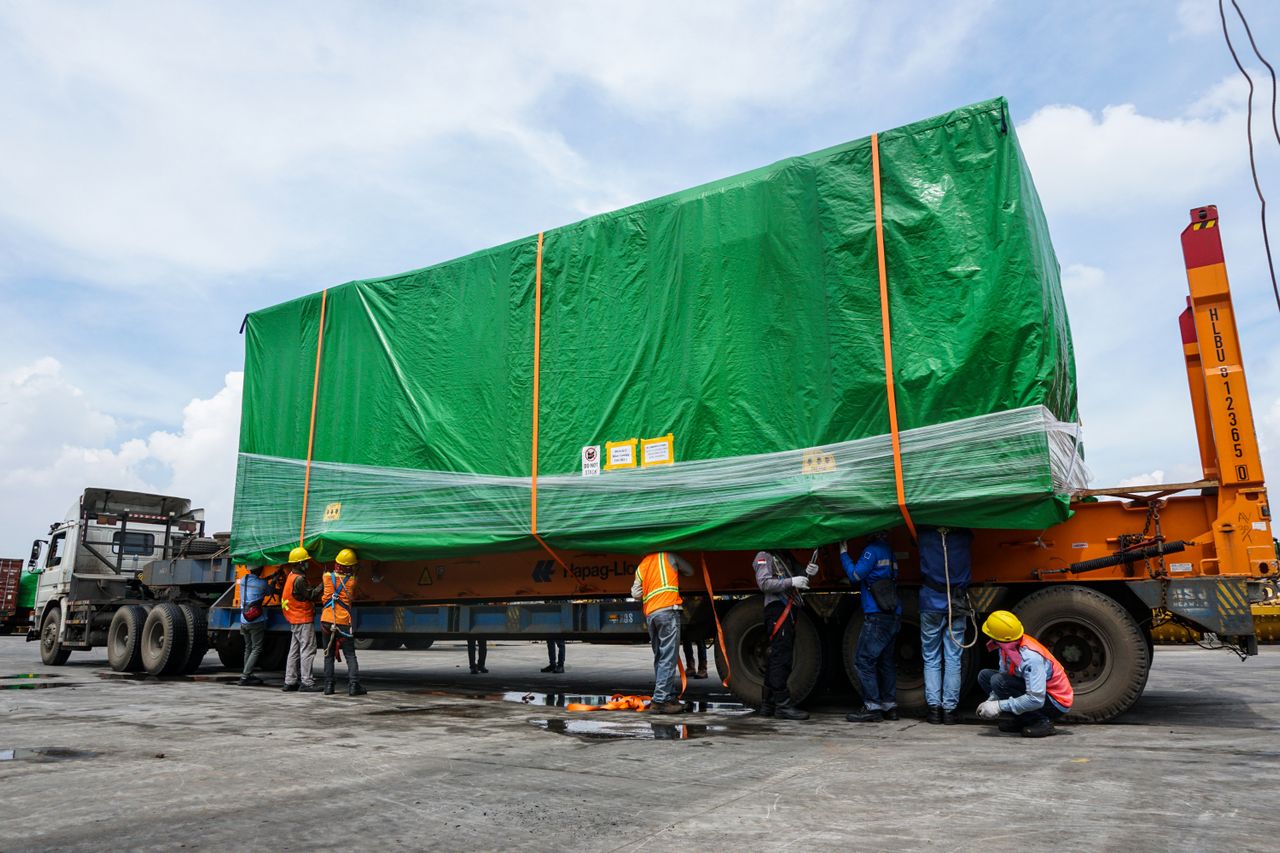
Moving an oversized vehicle when the standard commercial route is not suitable or available is one of the most demanding tasks in transport and logistics. You are dealing with dimensions that exceed legal limits, weight that can add pressure to bridges and road surfaces, and equipment that has to match the actual load rather than an estimate.
Skipping a commercial route does not mean avoiding any of these. It means building a different plan that meets the same compliance standards and load requirements. Getting that plan right from the start can save you from logistics problems that are difficult to fix once the vehicle is moving. This article covers the best practices to move an oversized vehicle without using a commercial route.
1. Measure the Vehicle Before Choosing a Transport Method
Accurate measurements should be the first thing you document before you call a transporter or sketch a route. The dimensions you need include overall length, width, height, gross weight, wheelbase, and front and rear overhang. Each one affects a different part of the plan. For instance:
- Width determines permit thresholds and escort requirements.
- Height matters at every overhead structure along the route.
- Weight influences trailer selection and bridge load limits.
- Overhang can trigger additional restrictions depending on how far it extends past the trailer deck.
Any attachments or modifications that remain on the vehicle during transport should also be included in the measurements. Ignoring what is mounted on it creates a mismatch that causes problems at the permit stage, during trailer selection, and at roadside inspections. Know these exact figures early to make it easier to determine whether specialized equipment will be necessary.
2. Choose a Trailer That Can Handle the Vehicle
Trailer selection should be based on the vehicle’s actual dimensions and weight, not what looks right or what was used last time for a different load. A lowboy trailer is the most practical option for tall and heavy vehicles. The deck sits between 18 and 24 inches from the ground, and load capacity can reach 150,000 pounds depending on axle configuration. This low profile allows tall cargo to stay within legal height limits during transport.
Beyond the trailer type, look at payload and axle capacity. The trailer must be able to carry the vehicle without exceeding its rated capacity or creating an unsafe weight distribution. The combined weight of the vehicle, trailer, and related equipment also needs to stay within applicable limits. Choosing the right equipment and securing the vehicle correctly from the start makes route planning more straightforward and the overall move safer.
3. Plan the Route Around Clearances
The shortest path is not always the right one for wide load movement. You need to check whether the route has enough clearance and no obstacles that cannot be avoided. Common problems include:
- Low and weight-restricted bridges
- Narrow roads with sharp turns
- Steep grades
- Construction zones
- Temporary road closures
Both vertical and horizontal clearances matter. A vehicle that clears a bridge vertically might still have a problem with the width of the road or the sharpness of a turn.
Route planning must use the vehicle’s loaded dimensions, not its unloaded measurements. You should also check current road conditions before leaving, not only during the planning stage. Ongoing road work and seasonal weight limits can change the whole picture between when you plan to move and when the vehicle is on the road. Understanding how freight tracking and routing works on long hauls can also help you think through timing and logistics.
4. Check Whether Your Move Needs Special Permits
Any combination of vehicle and load that exceeds one or more of the legal maximum dimensions of width, height, or length is an oversized load by definition. Most states require applications for, and issue permits to transport oversize and overweight vehicles and loads. For instance:
- Overweight permits are required any time the load exceeds 80,000 pounds gross vehicle weight or when axle limits exceed the applicable state thresholds.
- Over-width permits are needed when a vehicle is wider than 8 feet 5 inches.
- Height requirements vary by state, with some requiring permits for loads as low as 13 feet 5 inches.
Permits need to be secured before the vehicle moves, not after the route is chosen. Requirements for oversize and overweight permits include vehicle dimensions and weight, along with a detailed route plan. Additional requirements may include proof of insurance, escort vehicle coordination, time-of-day restrictions, and payment of applicable fees.
This is where a transport company can be useful. A licensed transportation partner can help identify applicable requirements, prepare documentation, and coordinate a move that crosses multiple states. However, you still need to provide correct dimensions and weight so the permit reflects the actual load.
5. Arrange Escort Vehicles When Required
Escort vehicles tell other road users about the approaching load and assist with traffic management and trailer navigation at difficult sections. Most oversized loads exceeding 12 feet in width need at least one escort car. When the width reaches 14 feet or more, many states require two pilot cars, one in front and one behind. Height and length can also trigger escort requirements depending on the state.
Each region has its own rules on when and how many escorts are necessary, and what equipment to carry. Most states also require escort vehicles to display a “WIDE LOAD” sign and be equipped with an amber flashing light visible from at least 1,000 feet.
Confirming escort requirements before the journey begins is important. Arranging escorts at the last minute creates delays and can leave a move non-compliant from the start. This is particularly relevant for unusual vehicles like boats or large recreational vehicles, where dimensions vary widely, and escort needs depend heavily on the specific load.
6. Work With a Specialist When the Route Is Complicated
Multi-state moves, vehicles with unusual dimensions, routes with difficult clearances, or loads that require coordination with multiple permit authorities are situations where professional experience adds real value. A specialist with heavy-haul experience can catch mismatches between the permit conditions and the actual transport setup before those mismatches become problems on the road.
Not all professionals work the same way or have the same certifications. Look at the following before choosing anyone for a complicated oversized move:
- Their licensing
- Their experience with the type of vehicle you are moving
- The equipment they work with
- Their track record with multi-jurisdiction moves
Professional support also becomes particularly valuable when timing is critical, and delays from permit or route problems cannot be absorbed. Discuss how they approach unusual transport across different vehicle types and road requirements to ensure they meet your specific transportation needs.
7. Secure the Vehicle Properly
Selecting the right means of transport gets the load to the road in a stable position. Proper securement is what keeps it there throughout the journey. Under FMCSA’s cargo securement rules, the aggregate working load limit of all tie-downs must be at least 50% of the cargo weight, with a minimum number of tie-downs required based on load length. However, the actual tie-downs, blocking, bracing, and other securement setups should all address the specific vehicle, its weight distribution, and the nature of the route.
Forces on the load during transit can also affect the securement setup. Braking, acceleration, and uneven road surfaces all place additional stress on the securement system. It is also sensible to check the setup again during the trip when appropriate, particularly after the first portion of travel. A loose tie-down or shifting load should never be ignored. Proper securement protects more than the vehicle being transported. It also protects the trailer, driver, and other people using the road.
Endnote
Transporting an oversized vehicle without a standard commercial route requires more planning, not just fewer rules. Correct measurements, routes with enough clearance, specialist support where needed, and permits all must come together before the vehicle moves. A well-prepared move lowers the chance of delays, regulatory problems, and risks to the vehicle and everyone else on the road. However, the requirements vary by location and vehicle configuration, and what worked on one move may need adjusting for the next.