A packed stadium does not mean the same thing everywhere. In Dhaka, a major cricket match can reshape an entire evening around the national team. In Toronto, winter still brings hockey to the forefront of sports conversation. In Tokyo, baseball sits comfortably alongside traditions that predate modern professional leagues, while a Sunday in the United States may belong to the NFL before basketball or baseball even enters the picture.
Those preferences did not appear by accident. Climate matters, but so do schools, broadcasting, domestic leagues, history, and the athletes who turn a sport into a family habit. Cross a border, and the favorite game may change; the appetite for rivalries, statistics, and close finishes rarely does.
Canada: Hockey Still Owns the Winter Conversation
Ice hockey remains deeply tied to Canadian sporting identity. The country has produced generations of NHL players, Olympic champions and junior prospects, while local rinks keep the game visible far below the professional level.
The NHL provides the biggest stage, but much of the culture develops earlier. Junior leagues, university programs and minor hockey mean supporters can follow prospects for years before they reach the professional game. That pipeline helps explain why even a regular-season NHL game can start arguments about goaltending, line combinations and draft prospects long after the final horn.
Basketball, football and soccer all have large Canadian audiences. Hockey still carries a connection to winter and community participation that is difficult for another sport to reproduce.
Bangladesh: Cricket Can Turn One Match Into a National Event
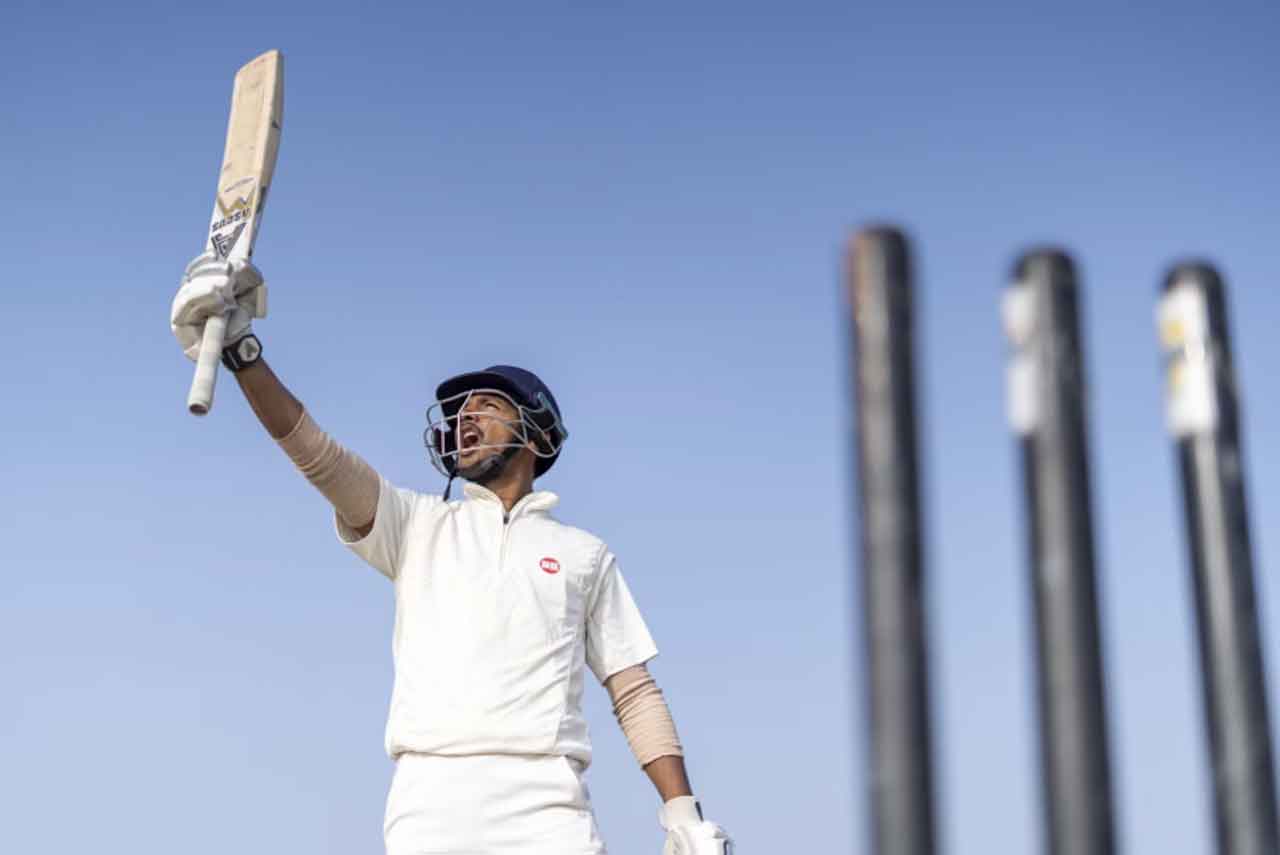
Football has a long following in Bangladesh, yet cricket operates on another level when the national side is involved. International series, ICC tournaments and the Bangladesh Premier League give supporters a steady calendar rather than a handful of isolated occasions. Matches against major South Asian rivals can dominate sports discussion well beyond the hours of play.
That intensity also encourages detailed interest in cricket betting rather than simple winner picks. Followers can weigh the toss, pitch, opening partnerships and bowling combinations before the first innings settles. On a Melbet APK, markets can cover match result, individual runs, wickets, innings totals and in-play prices while the score changes. Two early wickets may alter the expected total sharply without making the result inevitable. Live analysis therefore depends on wickets in hand, required rate and the bowlers still available, not just the better-known team.
Bangladeshi supporters also tend to follow individual roles closely. A batter’s form or a bowler’s spell can become part of the wider sports conversation almost immediately, especially during a major international series.
India: Cricket Is the Sport, the IPL Is the Season
Cricket dominates India’s sports calendar in a way few competitions elsewhere can match. International matches remain major events, while the Indian Premier League adds city-based franchises, auctions, evening fixtures and a compact tournament structure that gives almost every match its own storyline.
The IPL also makes specialist roles easy to recognize. A powerplay hitter, middle-overs accumulator, finisher and death bowler may all influence the same game in completely different ways. An IPL betting app can therefore feature more than a match-winner market, with player runs, wickets, powerplay totals and live odds changing throughout an innings. Pitch behavior, batting position and wickets in hand can matter more than a franchise’s reputation once play starts. The toss can alter the calculation again when chasing conditions or evening dew affect how the surface behaves.
India is far from a one-sport country. Badminton, field hockey, football, wrestling and athletics all produce serious audiences and elite competitors. Cricket simply has a larger cultural footprint, while the IPL turns that advantage into a concentrated annual media season.
The United States Built a Calendar Around Several Sports
The United States stands out because no single professional league owns the full year. The NFL commands enormous attention in autumn and winter, the NBA runs deep into spring, and Major League Baseball fills much of the summer. College sport adds another layer, particularly in regions where university teams carry decades of local loyalty.
Geography changes the hierarchy. College football can dominate conversation in parts of the South, baseball retains deep historical roots in established MLB cities, and basketball has both professional and college audiences.
The seasons overlap, but each league still has its own period when it takes over sports television, radio and everyday debate.
Japan: How an Imported Game Became Thoroughly Local
Baseball reached Japan from abroad, yet its modern place in the country feels anything but imported. Nippon Professional Baseball has established clubs, rivalries and generations of supporters, while high-school baseball gives the sport an emotional intensity that professional competition alone cannot explain.
The game works at several levels at once. Professional teams carry city and corporate identities; school tournaments create their own stars; Japanese players succeeding overseas add another point of connection.
At the same time, sumo preserves a sporting tradition shaped by centuries of ritual and hierarchy. Football has also grown through the J.League and national team. Few countries show as clearly how imported and traditional sports can thrive side by side.
Football Crosses Borders Better Than Almost Any Rival
Football has one practical advantage over many global sports: the basic version requires very little equipment. A ball, open space and two makeshift goals are enough to start.
That accessibility helped the game take root across Europe, Africa and Latin America, but professional football survives on much more than simplicity. Domestic clubs can represent neighborhoods and cities for generations, while national teams temporarily pull rival club supporters into the same crowd during major tournaments.
The culture changes from country to country. English matchday traditions do not look identical to those in Brazil, Argentina or Morocco, yet the game itself needs almost no translation.
Why National Favorites Rarely Happen by Accident
A country’s favorite sport usually has an infrastructure behind its popularity. Children encounter it at school or local clubs. Broadcasters give it regular airtime. Domestic competitions create recurring rivalries, while international success produces players young fans want to imitate.
Once that cycle is established, it becomes difficult to dislodge. More viewers attract sponsors and media coverage; greater investment supports better coaching and competition; stronger competition produces new athletes for the audience to follow.
That is why popularity often survives individual stars. Canada already has the rinks and development system for another generation of hockey players. India and Bangladesh already have cricket built into the sporting calendar. Long before the next superstar appears, the audience is waiting.