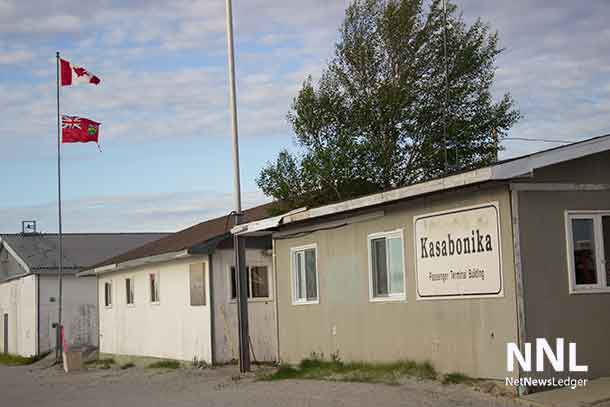
Thunder Bay Supporting Kasabonika Lake First Nation Wildfire Evacuation
THUNDER BAY — The City of Thunder Bay is supporting emergency evacuation efforts for Kasabonika Lake First Nation as active wildfires in the region affect air quality, visibility and community safety.
At the request of emergency management partners, Thunder Bay International Airport is serving as a hub for evacuation operations, helping move approximately 450 community members onward to Toronto.
Thunder Bay airport serving as evacuation hub
The first group of evacuees has arrived in Thunder Bay, with about 80 people moved through the airport last night.
Aircraft are expected to continue arriving and departing as part of coordinated efforts to move evacuees safely and efficiently. Current plans include three smaller regional aircraft bringing evacuees to Thunder Bay, where passengers will transfer to a larger commercial aircraft.
Up to 240 passengers were expected to move through the airport, although the city says mechanical considerations may reduce that number to about 120 passengers. Emergency partners are working to add capacity where possible.
Additional flights remain planned as the evacuation continues. The city says operations remain dynamic, and flight schedules and passenger volumes may change quickly as wildfire conditions evolve.
City working with First Nation and emergency partners
The City of Thunder Bay says it is working closely with Kasabonika Lake First Nation leadership, provincial emergency management partners, the Ministry of Natural Resources, airport authorities and local service providers.
The airport is currently the primary coordination site for arrivals and onward travel.
“Thunder Bay plays a critical role in supporting emergency response efforts across the North,” Mayor Ken Boshcoff said. “We are committed to ensuring evacuees are received safely and treated with care and respect as they move through our community. We thank our partners and local service providers who continue to step up in support of this response.”
Residents asked to avoid airport unless necessary
The city says residents may notice increased activity at Thunder Bay International Airport while evacuation operations continue.
The public is asked to avoid the airport unless necessary and to follow directions from airport authorities and emergency personnel.
Thunder Bay remains prepared to provide additional support, including reception, shelter and transportation assistance, if required.
Regional role in northern evacuations
Thunder Bay regularly serves as a key emergency-response hub for remote northern First Nations during wildfire, flood and infrastructure-related evacuations.
The city’s airport, hotels, transportation providers, health services and emergency-response partners often play a central role in moving evacuees safely to host communities across Ontario.
For Kasabonika Lake First Nation, the current evacuation reflects the growing pressure wildfires place on remote communities, where smoke, limited visibility and transportation challenges can quickly create serious safety risks.