What keeps employees engaged and committed to their employer in today’s fast-paced and competitive business environment? While they used to focus on compensation and benefits, studies now show that one of the largest contributors to employee satisfaction and engagement is the degree to which they receive recognition at work.
According to Gallup, employees who feel recognized for their contributions are more engaged and less likely to leave their organization. Many companies face high turnover and low morale due to inconsistent recognition. Here is how corporate recognition programs support employee engagement and leadership culture.
Significance of Employee Recognition
Employees value recognition for their work, as it boosts motivation and connection to the organization. When employees feel unseen, their engagement drops. Acknowledgment helps bridge this gap, making them feel valued and respected.
When organizations value recognition, they have improved morale, collaboration, and productivity. Employees who feel valued tend to remain engaged in achieving company goals and contribute positively to the company culture.
As competition for talented employees increases, recognition has become essential. Many skilled workers no longer stay with a company solely for pay; they seek organizations that value their contributions and support their professional growth.
The Psychological Impact of Recognition
Recognition can have a large psychological impact on people, as it satisfies the basic human need to feel valued. Employees who receive recognition for their hard work feel higher levels of confidence, motivation, and job satisfaction.
When providing recognition, it is best to ensure that it has a personal touch. When specific accomplishments or contributions are recognized, the level of impact of that recognition is much greater than using a blanket statement.
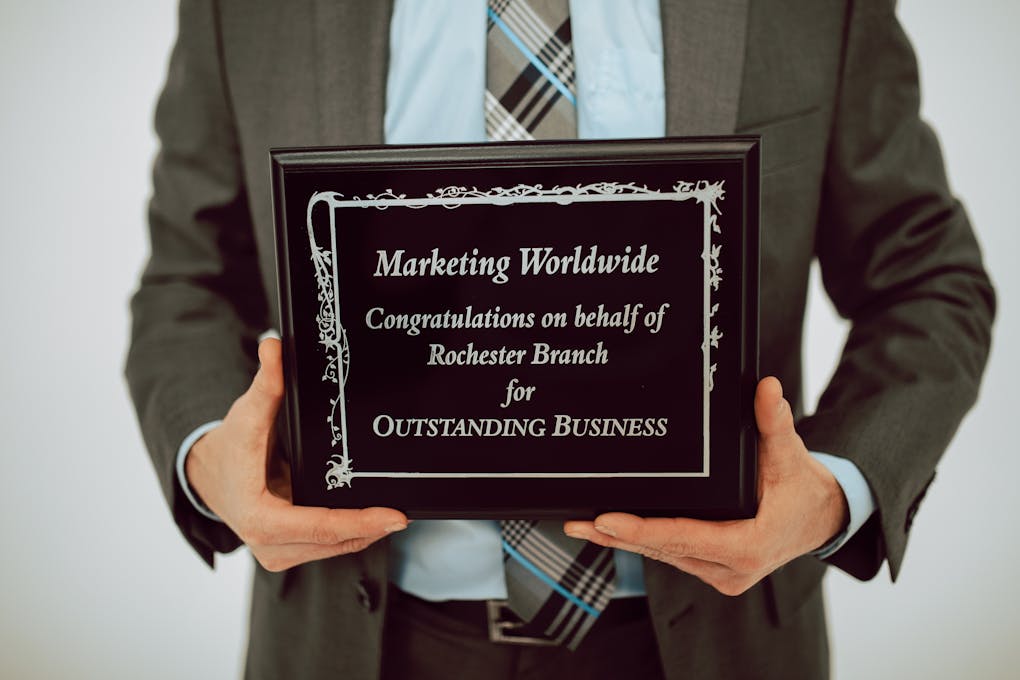
Many organizations provide a physical award as additional reinforcement. They may use any of the following.
- Custom trophies
- Certificates
- Corporate recognition plaques
Check out these corporate recognition plaque options that may work for your company. These tangible tokens of accomplishment serve as a visual reminder of their work.
The Move Toward Structured Recognition Programs
In the past, many organizations used informal methods of showing appreciation. Informal methods still carry some weight, but they are often applied inconsistently and do not create lasting impacts.
Today’s organizations are shifting towards formal recognition systems that align with their corporate culture and leadership objectives. These programs create a consistent way to show appreciation across the multiple divisions and departments within an organization.
Recognition as a Leadership Strategy
Recognition is not only a Human Resource initiative but also an effective leadership tactic. By regularly acknowledging employee contributions, leaders can build stronger team relationships and foster a positive workplace culture.
When employees are recognized, they will trust management and relate more closely to the goals of the company. Additionally, leaders can use recognition to establish the values and behaviors they expect from employees.
Building an Effective Recognition Program
Effective employee recognition goes beyond occasional acknowledgments. To enhance leadership development and employee engagement, it must be consistent, authentic, and aligned with the company’s values.
Recognition must be perceived as fair and accessible across departments and positions. It requires involvement from the leadership since an employee is much more likely to receive recognition when it is supported from the top.