Thunder Bay Students for Change to Host “Save OSAP” Campaign Event
THUNDER BAY, Ont. — Thunder Bay Students for Change is launching a local “Save OSAP” campaign event on May 8, bringing students, educators, workers and community members together to discuss affordability, student debt and changes to the Ontario Student Assistance Program.
The grassroots coalition says the event, titled “Save OSAP: Empowering Students,” will run from 6:30 p.m. to 8:30 p.m. at the OPSEU Thunder Bay building at 326 Memorial Avenue.
Students Organizing Over OSAP Changes
Organizers say the campaign is focused on recent OSAP changes that will reduce the share of student assistance available as non-repayable grants and increase reliance on loans.
The Ontario government announced in February that eligible students will be able to receive a maximum of 25 per cent of their OSAP funding as grants and a minimum of 75 per cent as loans. The province has said the changes are part of its plan to strengthen the long-term sustainability of OSAP and align grant and loan eligibility more closely with other provinces.
For students in Thunder Bay and Northwestern Ontario, organizers say the issue is especially important because many learners already face higher costs connected to housing, transportation, food and travel, particularly those coming from smaller, rural, remote or northern communities.
Local Event to Focus on Student Voices
The May 8 event will include opening remarks from students and community speakers, followed by a panel discussion and breakout conversations focused on organizing and next steps for advocacy.
Thunder Bay Students for Change says the goal is to give students a place to share personal experiences, discuss how changes to financial aid may affect their ability to continue school, and build a coordinated campaign against the cuts.
“Students are coming to me and telling me they don’t know how they’ll be able to achieve a post-secondary education in the face of these cuts,” said lead organizer Olivia Kembel. “This isn’t an abstract policy — it’s about real people who can’t afford to finish their degree without taking on overwhelming debt.”
Affordability Concerns in Northwestern Ontario
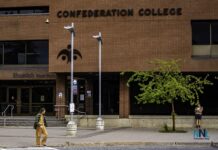
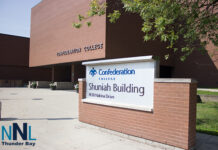
Post-secondary affordability has a direct local impact in Thunder Bay, home to Lakehead University, Confederation College and students from across Northwestern Ontario and northern First Nations.
For many students, OSAP is not only about tuition. It can also help cover books, equipment, fees, child care and living costs. The province describes OSAP as a financial aid program that provides a mix of grants and loans for eligible college and university students.
Organizers argue that increasing the loan portion of OSAP will make it harder for students from lower- and middle-income households to complete college or university without taking on higher debt.
Historical Context
Student aid has long been a central part of access to post-secondary education in Ontario. Grants lower the amount students must repay after graduation, while loans can create long-term financial pressure as graduates begin careers, relocate for work or support families.
Thunder Bay Students for Change says students have organized successfully before, pointing to past student-led movements in Quebec as an example of sustained, peaceful advocacy influencing public debate on tuition and access.
What Organizers Want
The group says it wants Ontario to maintain a strong post-secondary system while keeping education affordable and accessible.
Organizers say the Thunder Bay event is intended to build local momentum, connect students with community allies and prepare next steps for advocacy around OSAP, tuition and student debt.
The event is open to students, educators, workers and community members concerned about post-secondary affordability in Ontario.