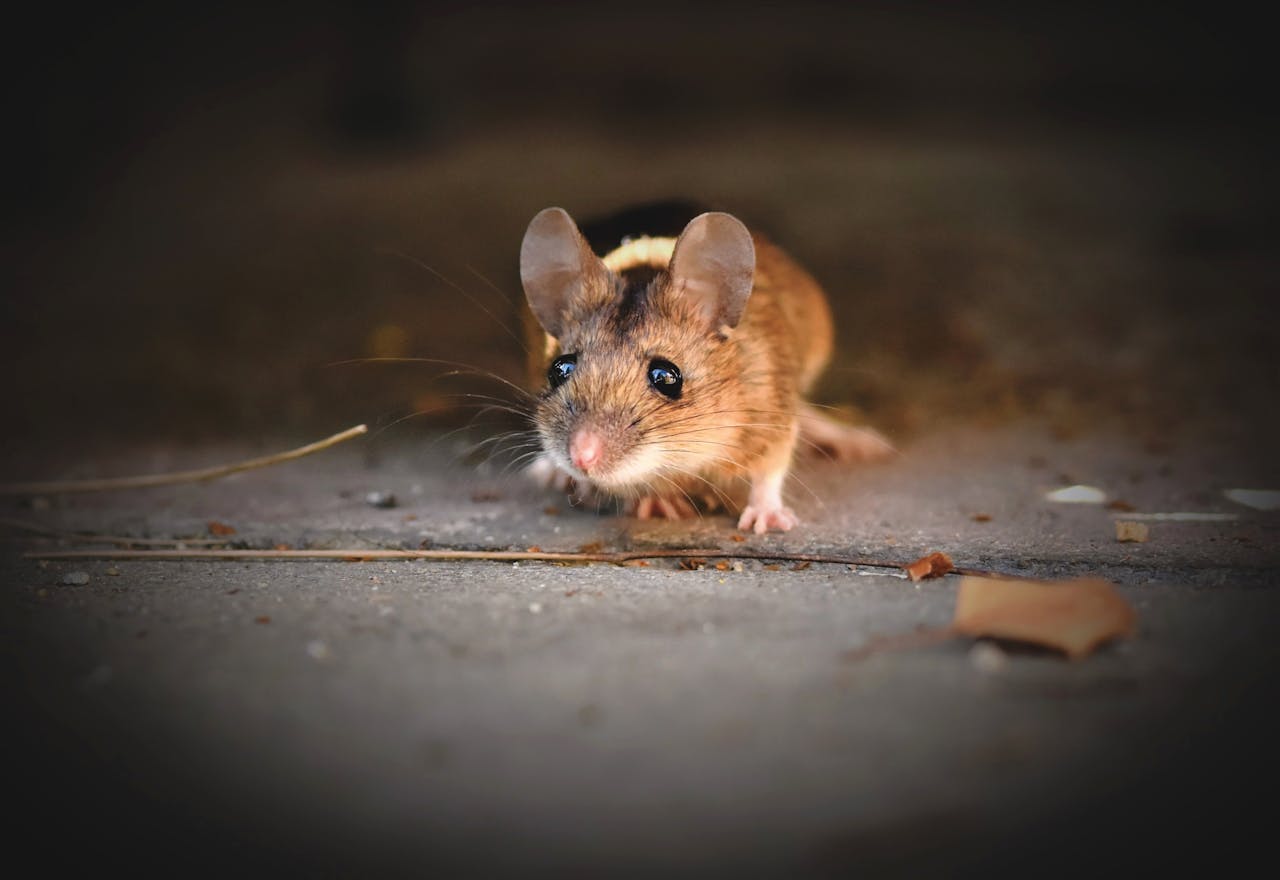
Recurring pest infestations
Some homes always have pest problems because they provide consistent access, food, moisture, and shelter. Recurring pest infestations happen when entry points remain open, nesting areas go undetected, and temporary fixes fail to remove root causes. Pests return because the environment still supports their survival and reproduction.
Key Takeaways
- Recurring pest infestations are caused by repeatable environmental conditions
- Pests keep coming back when entry points are not sealed
- Food and moisture sources sustain ongoing pest activity
- Hidden nesting areas allow infestations to restart
- Temporary fixes lead to repeated pest problems
- Long-term prevention requires breaking the infestation cycle
Why Do Some Homes Always Have Pest Problems?
Homes that experience constant pest problems usually share one thing: they provide everything pests need to survive. This includes access, food, water, and shelter. Once pests establish themselves, they create a cycle of entry, nesting, and reproduction.
This cycle repeats because nothing disrupts it. Even if you remove visible pests, others remain hidden in walls, attics, or basements. Over time, this creates a pattern of ongoing infestations that feel impossible to eliminate.
Why do pests keep coming back to the same house?
Pests return when pest control issues aren’t fully addressed. If food, moisture, and shelter remain available, they have no reason to leave. Established scent trails and entry points also make it easy for pests to come back repeatedly.
What Causes Recurring Pest Infestations?
Most pest infestation causes fall into three categories: structural issues, environmental conditions, and human behaviour. These factors often overlap, creating ideal conditions for pests to thrive.
For example, a small foundation crack combined with moisture and food crumbs can quickly lead to a repeated pest problem. Ignoring one factor allows the others to continue supporting the infestation.
What are the most common overlooked causes of pest problems?
Many homeowners miss small but critical issues. Tiny cracks, poor ventilation, clutter, and seasonal changes often go unnoticed. These overlooked vulnerabilities allow pests to enter and settle without detection, leading to persistent infestations.
Entry Points That Are Never Fully Sealed
One of the biggest reasons pests keep coming back is unsealed entry points. Even the smallest gaps can allow mice, rats, and insects to enter your home.
Common entry points include:
- Cracks in foundations
- Gaps around doors and windows
- Openings around pipes and utility lines
- Roof vents and attic spaces
Why do unsealed entry points lead to repeated infestations?
If entry points remain open, pests will continue to use them. Removing pests without sealing access points only provides temporary relief. New pests will follow the same routes, restarting the infestation cycle again and again.
Food and Moisture Sources That Attract Pests
Pests are drawn to homes that provide reliable food and water. Even small amounts of crumbs or moisture can support a growing infestation.
Common attractants include:
- Food crumbs and spills
- Unsealed garbage
- Pet food left out overnight
- Leaky pipes and high humidity
Why do pests keep coming back when food sources remain?
A consistent food supply encourages pests to stay and reproduce. Moisture also plays a major role, especially for cockroaches, ants, and rodents. When these resources are always available, infestations become ongoing rather than temporary.
Structural Issues That Encourage Infestations
Certain structural problems make homes more vulnerable to pests. Poor construction or wear over time can create ideal entry points and nesting areas.
Examples include:
- Damaged roofing
- Cracked foundations
- Poor insulation
- Inadequate sealing
Why do structural problems make pest issues worse over time?
Structural damage allows pests to enter more easily and hide more effectively. As these issues worsen, they create more space for nesting and reproduction, leading to larger and more persistent infestations.
Hidden Nesting Areas That Keep Pests Coming Back
One of the most overlooked causes of recurring pest infestations is hidden nesting. Pests often settle in areas that are rarely inspected or treated.
Common nesting locations include:
- Attics
- Basements
- Wall voids
- Crawl spaces
Why are hidden nests the main reason infestations return?
If nests are not removed, pests will continue to reproduce. Even if visible pests are eliminated, those hidden in nests will emerge later. This creates the illusion that pests are “coming back,” when in reality, they never left.
Lifestyle Habits That Contribute to Recurring Problems
Daily habits play a major role in why some homes have pest problems. Small behaviours can unintentionally support pest activity over time.
Common habits include:
- Leaving food exposed
- Skipping regular cleaning
- Allowing clutter to build up
- Ignoring small maintenance issues
What habits cause constant pest problems in a house?
Poor food storage, inconsistent cleaning, and delayed repairs all contribute to infestations. These habits create a stable environment where pests can thrive, turning occasional sightings into ongoing problems.
Why Temporary Fixes Don’t Work
Many homeowners rely on quick solutions like sprays or traps. While these may reduce visible pests, they do not address the root causes of the infestation.
Temporary fixes fail because they:
- Do not eliminate nesting areas
- Do not seal entry points
- Do not remove food or moisture sources
Why do pests return after DIY pest control methods?
DIY methods often target symptoms rather than causes. Without addressing the underlying conditions, pests will continue to return. This leads to frustration and repeated infestations despite ongoing efforts.
How Pest Problems Escalate Over Time
Pest issues rarely stay small. What starts as a minor problem can quickly grow into a serious infestation.
The typical progression includes:
- Occasional sightings
- Increased pest activity
- Nesting and reproduction
- Widespread infestation
Rodents like mice reproduce rapidly, while insects such as ants and bed bugs can spread throughout a home in a short time.
What happens if recurring pest infestations are ignored?
Ignoring infestations can lead to structural damage, contamination, and health risks. Over time, the problem becomes harder and more expensive to resolve, as pests establish deeper and more widespread colonies.
How to Break the Cycle of Infestations
Stopping recurring pest infestations requires a long-term approach that targets root causes. This means eliminating the conditions that allow pests to survive.
Key steps include:
- Sealing all entry points
- Removing food and water sources
- Identifying and eliminating nesting areas
- Maintaining regular cleaning and maintenance
How can you stop recurring pest infestations permanently?
Permanent prevention requires consistency. Regular inspections, proper home maintenance, and addressing small issues early can break the infestation cycle. The goal is to make your home uninhabitable for pests.
FAQs
Why do pests keep coming back to my home?
Pests return because your home continues to provide food, moisture, shelter, and access. Even if you remove visible pests, hidden nests and open entry points allow new pests to enter. Without addressing these root causes, infestations will continue to repeat over time.
What causes recurring pest problems?
Recurring pest problems are caused by a combination of structural issues, environmental conditions, and daily habits. Unsealed entry points, available food sources, moisture, and hidden nesting areas all contribute to ongoing infestations that return even after temporary treatments.
Can pest infestations be permanent?
Pest infestations can feel permanent if the underlying causes are not addressed. While pests can always be removed, they will continue to return if conditions remain favourable. Long-term prevention requires eliminating entry points, food sources, and nesting areas.
How do I stop repeated pest infestations?
To stop repeated infestations, focus on sealing entry points, removing food and moisture sources, and eliminating nesting areas. Regular inspections and consistent maintenance are essential. Addressing the root causes ensures pests cannot return and re-establish themselves.