Winter in the North: Why It Photographs So Well
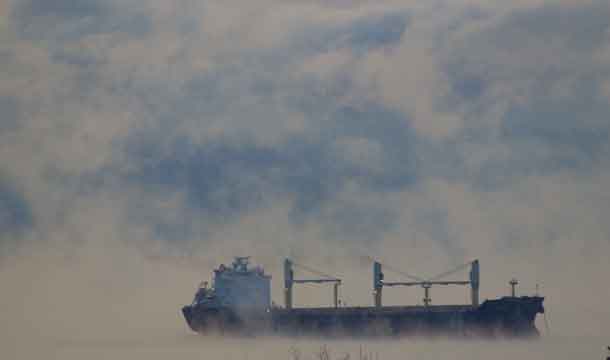
Thunder Bay – TECH – Winter in Northwestern Ontario strips the landscape down to bold shapes, clean lines, and dramatic contrast. Snow simplifies busy scenes, ice adds texture and pattern, and Lake Superior brings constant motion—waves, spray, fog, and shifting shore ice.
The result: images that feel both minimal and epic, especially when you time the light right.
Golden Hour in Winter: Warm Light, Long Shadows
In winter, the sun stays lower in the sky, which means golden hour can feel richer and last longer than in summer. That low angle creates long shadows that carve definition into snowdrifts, pressure ridges, and frozen shoreline textures.
How to make golden hour work for you:
-
Arrive early and scout compositions before the best light hits. In winter, you don’t want to be fumbling with settings while your fingers go numb.
-
Shoot into the light for glowing edges on frosted trees and rim light on ice formations—use a lens hood and watch flare.
-
Use the shadows: let a long shoreline shadow or a row of footprints become a leading line.
-
Try a polarizing filter (carefully): it can deepen sky tones and reduce glare on wet ice—just rotate it slowly because it can also unevenly darken wide-angle skies.
Blue Hour: The Quiet Magic Between Day and Night
Blue hour—just before sunrise and just after sunset—turns snow and ice into a palette of cool blues, purples, and soft gradients. It’s perfect for Lake Superior scenes because the water and ice often hold colour beautifully when the sky goes cobalt.
Blue hour tips that pay off immediately:
-
Use a tripod and keep ISO low for clean detail in snow and ice.
-
Bracket exposures (or use HDR sparingly) if you’re balancing bright snow with darker water and shoreline rock.
-
Lock white balance (try ~4000–5000K to keep the scene cool without going neon) so a sequence of shots stays consistent.
-
Stay a little longer: the best colour often happens when the sun is well below the horizon.
Lake Superior Ice: Tips for Shooting Shoreline Ice Safely and Beautifully
Lake Superior’s winter shoreline is a texture playground—pancake ice, frozen spray, stacked plates, and pressure ridges. It’s also unpredictable, especially when wind and waves are active.
Safety first (worth stating every time):
-
Treat shoreline ice as unstable—it can be undercut by wave action.
-
Never turn your back on the lake; “sneaker waves” and surges can reach farther than expected.
-
Avoid climbing on ice shelves and be cautious near edges, cracks, or areas with moving water.
-
If you’re near cliffs or ice formations, falling ice and sudden breakage are real risks—keep distance and use a longer lens.
How to photograph ice like it deserves:
-
Shoot low to emphasize patterns and scale—ice plates and ridges look bigger when your camera is near the surface.
-
Look for contrast: warm rock + blue ice, dark water + white shelves, golden light + frosted spray.
-
Use shutter speed creatively:
-
1/500–1/2000 to freeze wave spray and blowing snow.
-
1/2–2 seconds to soften water around ice for a “glass meets silk” look (tripod required).
-
-
Watch your edges: bright snow tricks composition—clean up distracting footprints or clipped highlights at the frame borders.
-
Microfibre cloths are mandatory: wind-driven ice crystals and spray can coat your front element fast.
Exposure, White Balance, and Getting “White” Snow Right
Cameras often underexpose snow, turning it grey. The fix is simple: add exposure compensation and check your histogram.
Quick settings guidance:
-
Start with +0.7 to +1.7 EV in bright snow scenes (adjust based on the histogram).
-
Expose to protect highlights: snow should be bright, but you don’t want featureless white blobs—use highlight warnings (“blinkies”).
-
Shoot RAW if you can. Winter scenes benefit hugely from recovering subtle highlight detail and fine texture.
Cold-Weather Field Kit: What to Pack and How to Protect Your Gear
Winter comfort is photo quality. If you’re cold, you rush—and you miss moments.
Practical checklist:
-
Spare batteries in an inside pocket (cold drains them fast).
-
Thin liner gloves + warmer mitts so you can operate controls without exposing skin too long.
-
Tripod with stable feet (spikes help on packed snow/ice).
-
Lens cloths + a small towel for snow/spray.
-
Condensation control: when going indoors, put camera/lens in a sealed bag so it warms slowly and doesn’t fog up.
Local Ideas: Where to Start Around Thunder Bay
For Lake Superior ice and winter light, look for safe, accessible shoreline viewpoints with natural leading lines—rock shelves, bays, breakwalls, and lookouts. Pair those with short hikes for treed scenes where golden hour lights frost and snow-laden branches. (Always respect signage, closures, and local conditions.)
Enjoy the absolute beauty of our region. Happy snapping.