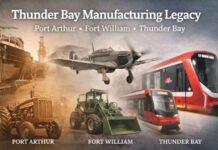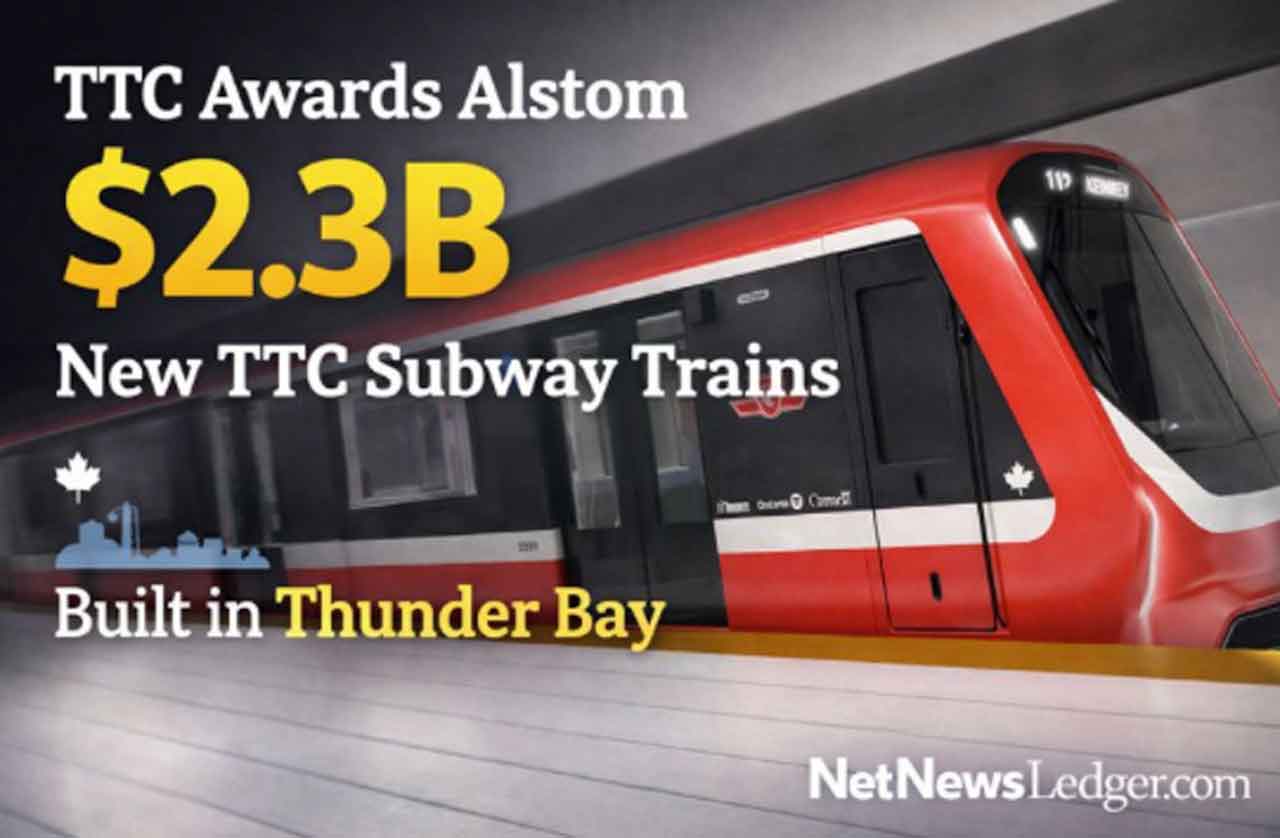
TORONTO / THUNDER BAY — The Toronto Transit Commission has awarded Alstom a $2.3 billion contract to supply a new fleet of 70 six-car Metropolis metro trains, a deal that will see final assembly in Thunder Bay and testing in Kingston—and is being touted by governments as a flagship move under Canada’s emerging “Buy Canadian” procurement approach.
Alstom says the agreement also includes options for up to 150 additional trainsets as future needs evolve.
Replacing Line 2 trains—and adding capacity for extensions
According to Alstom, 55 of the 70 trains are intended to replace the aging fleet on Toronto’s Line 2, while the remaining 15 trains are planned for capacity tied to the Line 2 Scarborough extension and the Line 1 Yonge North extension.
The deal is aimed at modernizing a core transit corridor: CityNews notes the current Line 2 fleet is more than 30 years old and nearing end-of-life.
“Built in Canada” and why Thunder Bay matters
Alstom says the trains will be designed and engineered in Canada, with final assembly in Thunder Bay and testing in Kingston, and projects the work will create up to 945 direct jobs nationally, plus more than 1,700 indirect jobs linked to suppliers and support industries.
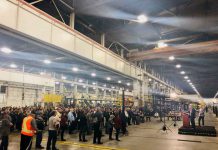
The federal government’s announcement—made in Thunder Bay—frames the project as the first investment under the Buy Canadian Policy, emphasizing that the new trains will be fully assembled in Canada and built with 55% Canadian content.
Alstom also says it plans to lean on an expanded domestic supply chain, including the use of Canadian carbon steel and aluminum.
Funding boosted: Ottawa and Ontario raise contributions
In its news release, Ottawa says both the federal and Ontario governments are increasing their investments from $758 million to $950 million for the purchase of 55 new Line 2 trains, with the federal contribution specified as $950.9 million.
The federal release also links the deal to longer-term transit funding, noting TTC is expected to receive up to $1.2 billion over 10 years (2026–2036) through the Canada Public Transit Fund’s baseline stream beginning in April 2026.
What the new trains will look and feel like
Alstom says the New Subway Trains are designed to improve comfort, safety, and accessibility, highlighting features such as open gangways, multi-purpose areas for wheelchairs/strollers/bikes, energy-efficient lighting, and wireless smartphone charging, along with cybersecurity protections.
The province has released renderings of the trains and describes them as high-capacity vehicles designed to carry up to 1,100 passengers.
Why the contract was controversial—and why it proceeded
Industry reporting notes the TTC had previously cancelled competitive bidding and moved toward a negotiated approach, described as awarding the work to the only company capable of building the trainsets in Canada—an approach tied to domestic capacity and procurement policy.
What happens next
While the contract value and manufacturing plan are now public, a detailed delivery schedule has been less clear. Trains.com reported that Alstom’s Michael Keroullé told CBC it could take about two years for development and design approval, and CityNews reports the first trains are expected to enter service later this decade.
A familiar TTC–Thunder Bay pipeline
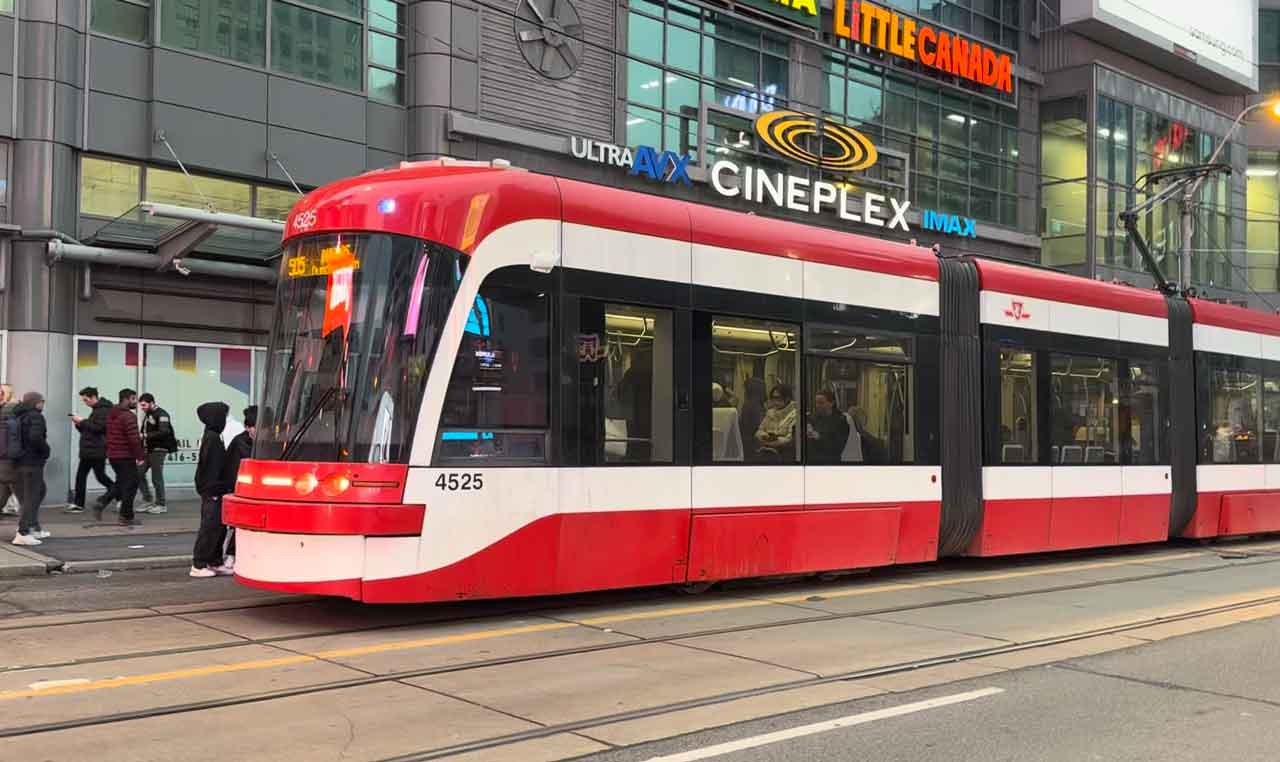
The subway deal lands as Alstom wraps another TTC milestone: the company says it delivered the final vehicle of a 60-car TTC streetcar order signed in 2021, with those LRVs manufactured in Thunder Bay (supported by La Pocatière, Quebec).
For Thunder Bay, the message is straightforward: Toronto’s transit renewal is also a Northwestern Ontario manufacturing story—one with real payroll, supplier contracts, and long-run industrial implications.