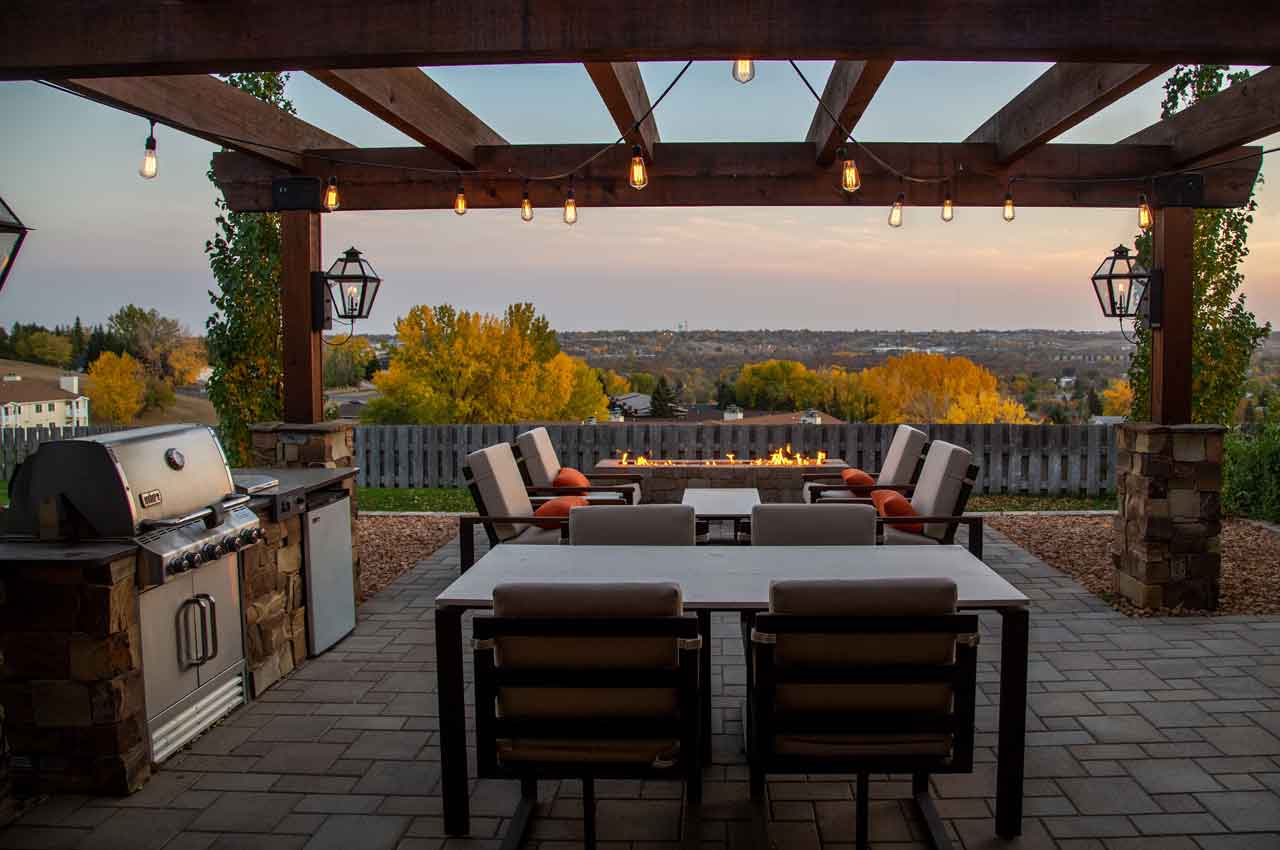
Selecting outdoor furnishings that match local weather requires careful thought. Individuals often overlook the impact of temperature, humidity, and sunlight on patio materials. Making the right choices ensures comfort and durability. Well-matched pieces can also enhance the visual appeal of an outdoor space. This guide offers tips on selecting suitable patio furniture based on the local weather patterns.
Assessing Your Local Weather Conditions
Begin by evaluating the general weather throughout the year. Some regions experience heavy rainfall, while others have dry spells. High humidity can encourage the growth of mold on certain materials. Intense sunlight may cause colors to fade or surfaces to crack. Cold temperatures sometimes make specific materials brittle. Understanding these patterns is the first step in selecting appropriate pieces. Residents who want to host gatherings or create a relaxing retreat can browse patio furniture Boca Raton sets to find curated options tailored to Florida’s lifestyle.
Choosing Materials That Withstand Moisture
If rainfall or humidity is frequent, moisture-resistant materials are a must. Aluminum resists rust and remains sturdy despite wet conditions. Wicker made from synthetic fibers also holds up well in damp weather. Teak, a dense hardwood, naturally repels water and resists decay. Cushions with quick-drying foam prevent mold and mildew buildup. Opt for fabrics that are water-repellent and easy to clean.
Selecting Furniture for Hot and Sunny Regions
Intense sunlight can cause significant degradation of many surfaces over time. Metal, particularly powder-coated aluminum, withstands strong rays without overheating. High-density polyethylene resists color fading and warping. Teak and eucalyptus wood offer natural oils that help maintain their appearance under bright conditions. Fabrics labeled as ultraviolet-resistant help prevent fading and deterioration. Light colors reflect sunlight, making them cooler to the touch.
Prioritizing Durability in Windy Areas
Strong winds can overturn lightweight or poorly designed patio pieces. Heavy materials such as wrought iron or dense wood provide stability. Furniture with broad bases or anchoring features is less likely to tip. Cushions with ties keep them securely in place during gusty weather. Avoid lightweight plastics, as these may get blown away or damaged. Foldable or stackable items are easy to store before storms.
Accommodating Cold and Snowy Climates
Long winters and snow demand sturdy, weatherproof selections. Powder-coated steel and teak endure freezing conditions with minimal maintenance. Removable cushions enable indoor storage during harsh winter months. Resin wicker withstands frost and resists cracking. Covers extend the life of outdoor pieces by shielding them from snow and ice. Opt for furniture that can handle temperature fluctuations without warping or splitting.
Considering Maintenance Needs
Some materials require regular maintenance, while others require minimal attention. Teak develops a silver patina unless oiled periodically. Wrought iron may need occasional touch-ups to prevent rust. Synthetic wicker and aluminum need only a quick rinse to stay clean. Opt for low-maintenance options if frequent upkeep is inconvenient. Removable, washable covers simplify cleaning and help keep furniture looking fresh.
Ensuring Comfort and Versatility
Climate should not be the only consideration. Comfort remains essential for any outdoor setting. Cushions made from breathable textiles feel cool in warm weather. Adjustable loungers offer flexibility for different activities. Modular sets adapt to gatherings and quiet evenings alike. Selecting pieces that balance durability with comfort ensures enjoyable outdoor moments throughout the year.
Blending Style with Practicality
Aesthetic appeal matters, but practicality should guide final decisions. Select colors and designs that harmonize with the surrounding outdoor environment. Earthy tones blend with natural surroundings, while vibrant hues add a pop of character. Sleek lines suit contemporary spaces, while classic shapes evoke traditional charm. Accessories like umbrellas and canopies offer shade and protection, enhancing both comfort and longevity.
Budgeting Wisely
Quality patio furnishings can be a significant investment. Prioritize durability over trends to maximize value. Consider the expected lifespan of each material in the local climate. Investing in well-made pieces often saves money over time, as replacements become less frequent and less costly. Compare warranties and return policies before purchasing to ensure you understand your rights and options. Shop during seasonal sales to find potential savings without compromising quality.
Conclusion
Selecting patio furniture that matches the city’s climate leads to comfort, style, and longevity. Carefully chosen materials withstand rain, sun, wind, or cold without constant repairs. Practical designs ensure enjoyment through many seasons. By striking a balance between durability, comfort, and aesthetics, any outdoor space can become a welcoming retreat. Thoughtful choices today reward homeowners with lasting satisfaction and enduring beauty.