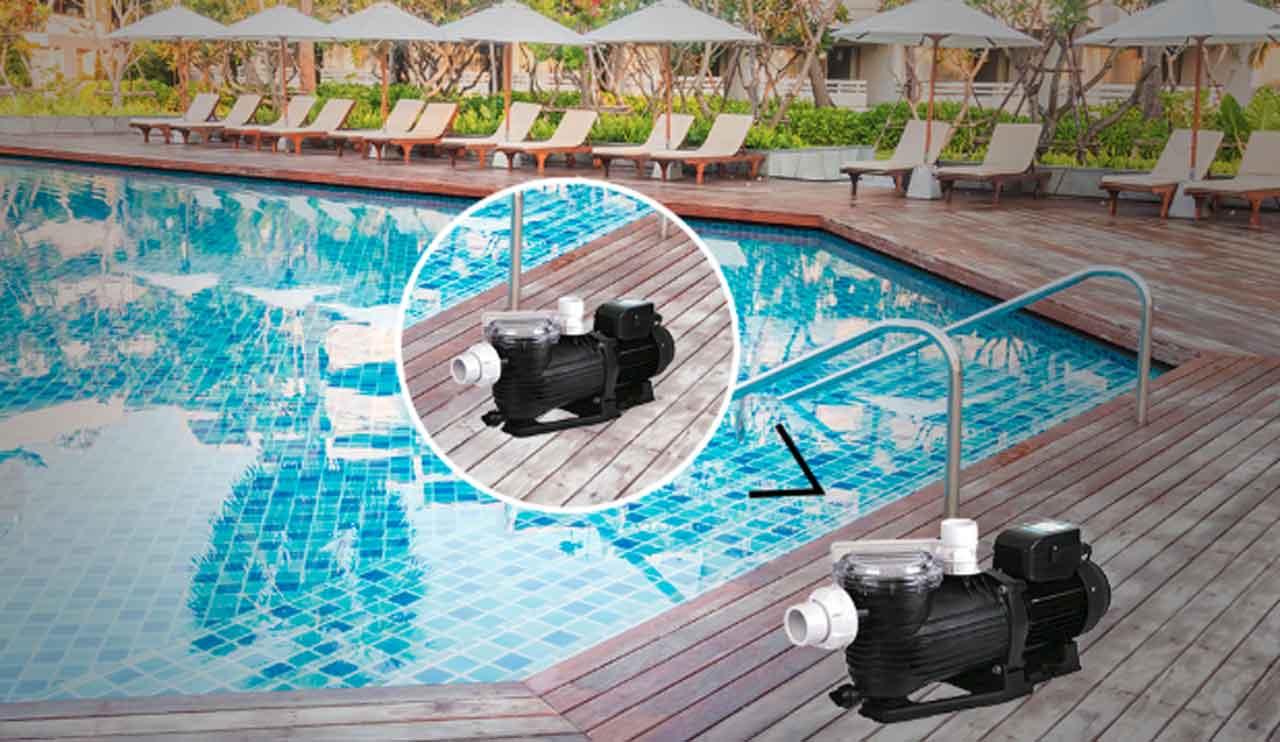
An above-ground swimming pool can provide endless enjoyment during warm days, but keeping the water clean and safe depends heavily on the pump you choose. The pump is the heart of your pool’s circulation system. It moves water through the filter, which removes dirt, leaves, and other debris. Without a properly sized and reliable pump, your pool water can quickly become cloudy and unsafe.
Selecting the right above-ground swimming pool pump may feel confusing, especially with so many options available. However, by focusing on a few key factors, you can make a smart decision that ensures efficient water flow, lower maintenance, and a longer-lasting system. Below, look at five practical tips to guide you in choosing the best pump for your above-ground swimming pool.
Match the Pump Size to Your Pool
The size of your pump must suit the size of your pool. If the pump is too small, it won’t move enough water through the filter, leaving dirt and algae behind. On the other hand, a pump that is too large may create unnecessary energy costs and put stress on the pool’s plumbing.
The general rule is that your pump should be able to circulate all the water in the pool within about eight hours. To calculate this, you need to know your pool’s capacity in gallons or litres. Once you have that number, divide it by eight to find out how many gallons per hour (GPH) your pump needs to move.
Understand Flow Rate and Horsepower
When comparing pumps, you’ll notice terms like ‘flow rate’ and ‘horsepower’. These two features play a big role in how well the pump works.
- Flow Rate: This measures how much water the pump can move in a certain time, usually gallons per hour (GPH). The right flow rate depends on your pool’s size and the capacity of your filter.
- Horsepower (HP): This measures the strength of the pump’s motor. A higher horsepower pump may move water faster, but that doesn’t always mean it’s the right choice. If the filter cannot handle the strong flow, the pump will waste energy and reduce the system’s efficiency.
It’s important to choose a pump with a horsepower level that matches your pool’s size and filtration needs. For many above-ground pools, pumps with 0.75 HP to 1.5 HP are common and effective.
Consider Energy Efficiency
Energy use is a major factor when selecting a pool pump. Because pumps run for several hours each day, choosing an energy-efficient model can help lower electricity costs in the long run.
Some pumps have features that make them more efficient, such as adjustable speeds. A single-speed pump runs at one constant speed, while a dual-speed or variable-speed pump allows you to adjust how fast the motor runs. By lowering the speed during routine circulation, you can save energy without sacrificing water quality.
Even if an energy-efficient pump costs more at first, the savings over time often make up for the higher initial price. This also means less strain on the motor, which can extend the pump’s life.
Look at Ease of Maintenance
Keeping your pump in good condition is necessary for clean pool water and long equipment life. That’s why it’s helpful to choose a pump that’s easy to maintain.
Some things to check include:
- Clear Pump Lids: These allow you to see when the basket inside needs cleaning.
- Accessible Strainer Baskets: Large baskets collect more leaves and dirt before clogging, reducing the number of times you need to empty them.
- Pool Salt Cell Replacement: Pumps designed with easy-to-remove parts save time when small repairs are needed.
A pump that is user-friendly will reduce the amount of time spent on maintenance while helping your pool stay in top condition.
Check Compatibility with Your Pool System
Before buying an above-ground swimming pool pump, make sure it’s compatible with the rest of your pool equipment. Not all pumps work well with every type of filter or plumbing size. For example, a pump that pushes water too strongly can overwhelm a smaller filter, while a weak pump may not provide enough pressure for larger systems.
It’s also important to ensure that the pump’s connections match the hoses and fittings you already have. Most above-ground pool pumps are designed with standard sizes, but it’s always best to double-check. Choosing a pump that works smoothly with your existing system will prevent leaks, poor circulation, and unnecessary wear on your pool parts.
Why Proper Installation Matters
Even the best pump won’t perform well if it’s not installed correctly. Positioning, plumbing connections, and electrical setup all affect how efficiently the pump runs. Poor installation can lead to leaks, high noise levels, or even early breakdown of the equipment.
Hiring an experienced pool builder in Ballarat can help avoid these problems. They ensure the pump is the right size, securely placed, and connected to the filter and plumbing system properly. This professional touch reduces the risk of errors and allows the pump to work quietly and smoothly from the start. In the long run, proper installation protects your investment and makes pool care much easier.
Conclusion
Choosing the right above-ground swimming pool pump is one of the most important steps in keeping your pool water clean and inviting. The above-ground swimming pool pump is at the centre of the circulation system, and selecting the correct one ensures effective filtration, safe swimming conditions, and lower maintenance needs.
Pairing the right pump with careful installation and regular care will give you years of reliable performance. With the right above-ground swimming pool pump, you can spend less time worrying about water quality and more time enjoying refreshing swims.