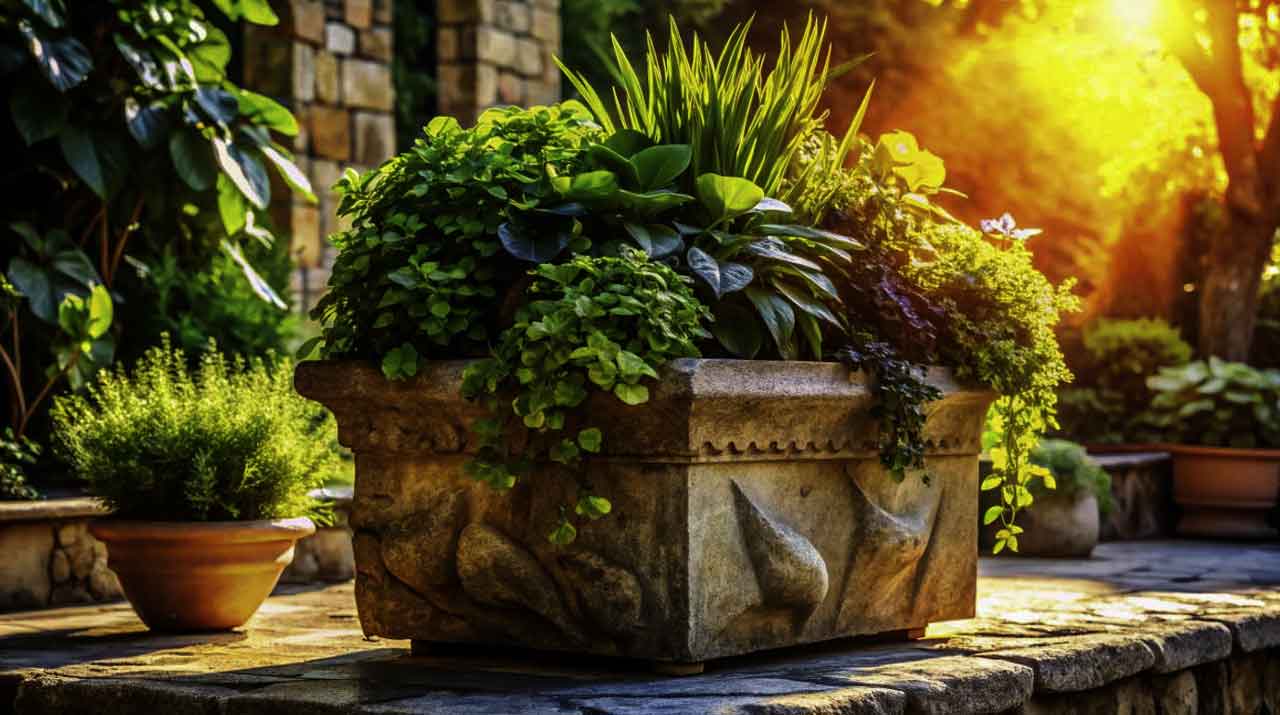
The dream of a vibrant, personal oasis often clashes with the reality of a busy schedule, physical limitations, or simply a desire to spend more time enjoying a garden than laboring in it. The traditional in-ground garden bed, while rewarding, can demand significant weeding, watering, and soil amendment. Fortunately, a paradigm shift towards container gardening offers a sophisticated and efficient solution. This is where outdoor planters come into play.
Below are some strategies for using an outdoor planter to create a low-maintenance garden:
Strategic Selection of Planters and Location
Choosing the right planters is a foundational element of a low-maintenance strategy. The size, material, and placement of the container can directly impact the health of the plants and the frequency of care required. Opting for sizable containers is particularly advantageous. A substantial volume of soil acts as a buffer against temperature fluctuations, keeping roots cooler in summer and warmer in winter. It also retains moisture for significantly more extended periods, reducing the need for daily watering. Furthermore, a larger soil mass can provide more nutrients and space for root systems to develop, supporting healthier and more resilient plants that require less frequent fertilizing and repotting.
On the other hand, the material of the planter can contribute to its ease of care. For instance, lightweight, porous materials like fiberstone or resin can mimic the look of heavier terracotta or stone without the associated weight, making rearrangements simple. These materials also typically include drainage holes, which are non-negotiable for plant health. Placing these garden planters in a location that receives the appropriate amount of sunlight for the chosen plants can further reduce stress on the greenery and, by extension, on the gardener.
By strategically using outdoor planters, particularly large outdoor planters, it’s entirely possible to cultivate a stunning, dynamic garden that requires a fraction of effort, making a beautiful outdoor space accessible to nearly everyone.
The Foundation of Effortless Growth: Soil and Irrigation
A low-maintenance garden is built from the ground up, or more accurately, from the soil within the planter. Standard garden soil is unsuitable for containers, as it compacts easily, hindering drainage and root growth. Instead, a high-quality potting mix specifically formulated for containers should be used. These mixes are typically lightweight, well-aerated, and retain moisture effectively while still allowing excess water to drain away, preventing root rot.
To further enhance water retention and reduce watering frequency, incorporating soil amendments can be a highly effective tactic. Mixing in water-retaining crystals or granules can significantly increase the soil’s capacity to hold moisture, creating a reservoir that plants can draw from between waterings. A layer of mulch on the soil surface, using materials like bark chips, pebbles, or cocoa bean hulls, serves a dual purpose. It can minimize water evaporation from the soil and suppress weed germination, eliminating two of the most tedious gardening chores.
For the ultimate in convenience, integrating a simple drip irrigation system on a timer can automate the entire watering process. This can ensure plants receive a consistent and appropriate amount of water directly at their roots, even during vacations or particularly hot weeks, promoting optimal health with minimal human intervention.
Intelligent Plant Selection and Composition
The plants chosen for a low-maintenance container garden in a homeowner’s outdoor space are the most crucial factor in its long-term success. The goal is to select species that are naturally resilient, drought-tolerant, and slow-growing, requiring little pruning or deadheading. A popular and effective design strategy is the “thriller, filler, spiller” technique, which creates a visually balanced and lush container with minimal effort.
For the “thriller” component, it’s best to consider ornamental grasses like blue fescue or dwarf fountain grass, which provide height and movement with virtually no care. Succulents such as agave, echeveria, and sempervivum are exceptional choices for their architectural forms and extreme drought tolerance. Dwarf conifers offer year-round structure and require no pruning.
For “filler,” robust perennial herbs like rosemary, thyme, and lavender are ideal, offering fragrance, utility, and pollinator-friendly flowers. For the “spiller” element, silver falls dichondra, creeping jenny, or perennial ivies will cascade over the edges of the planter, softening its lines and covering the soil surface.
Ongoing Maintenance Simplified
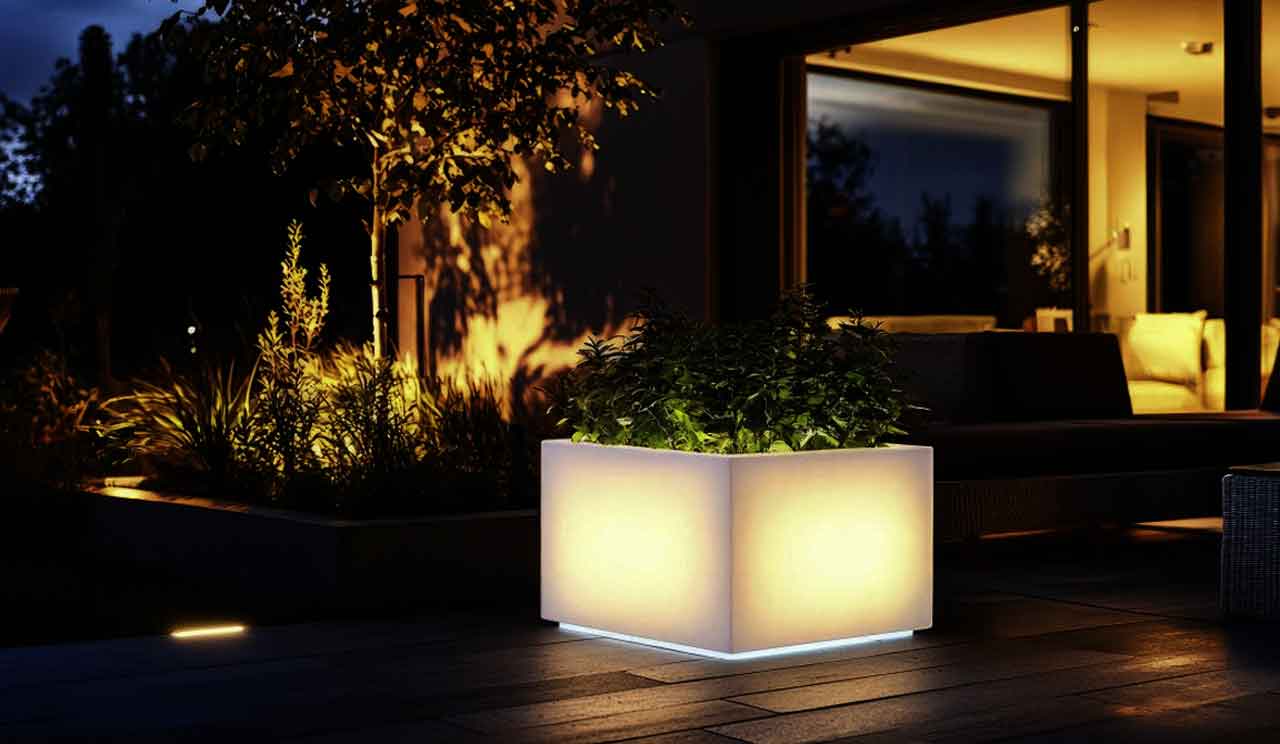
Even low maintenance backyard garden requires some care, but the tasks are far less demanding. Watering, while less frequent, should be done deeply to encourage strong root growth. A slow-release fertilizer mixed into the soil at planting time can provide nutrients for an entire growing season, eliminating the need for weekly feeding. By choosing plants that are naturally suited to the container environment and local climate, issues with pests and diseases are greatly reduced, creating a healthier, more self-sufficient garden ecosystem.
Key Takeaway
Creating a low-maintenance garden with outdoor planters is an exercise in working smarter, not harder. It’s a method that prioritizes strategic planning and plant intelligence over constant manual labor. By keeping the information mentioned above in mind, homeowners can ensure a beautiful, thriving outdoor space that provides a sanctuary for relaxation and enjoyment, freeing the gardener from the endless cycle of chores and allowing more time to appreciate the beauty they’ve cultivated simply.