Missing teeth can affect your smile, your ability to eat and speak, and your confidence in social situations. If you’re dealing with tooth loss, a dental implant bridge might be the solution you’ve been searching for.
This comprehensive restoration combines the stability of dental implants with the gap-filling benefits of a traditional bridge, offering a permanent solution that looks and functions like natural teeth. Here’s everything you need to know to assess if this is the right option for you.
Understanding Dental Implant Bridges
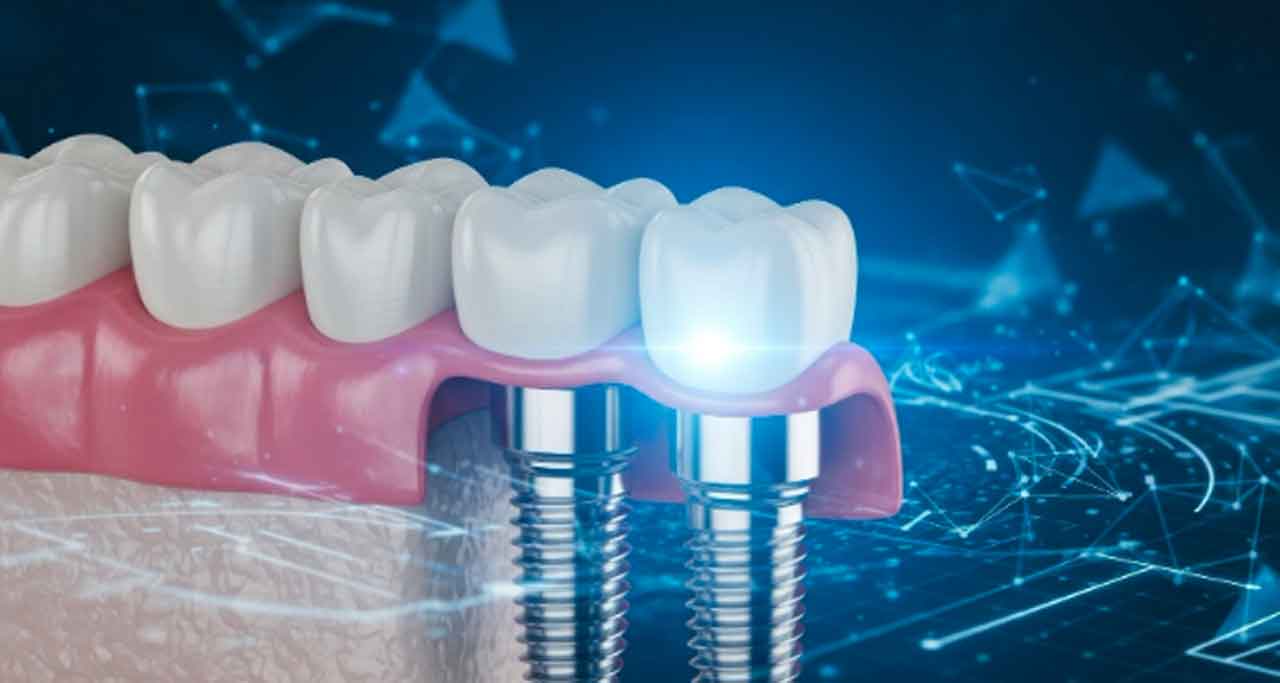
A dental implant bridge replaces multiple missing teeth by anchoring titanium posts directly into the jawbone. What sets this apart from traditional dental bridges is independence. Instead of relying on adjacent teeth for support, the implant-supported version stands on its own. The titanium posts serve as artificial tooth roots, creating a stable base for your prosthetic teeth.
The structure typically consists of two or more dental implant posts that support a series of connected dental crowns. This approach means your natural teeth remain untouched, which is a significant advantage over conventional bridges that require grinding down healthy teeth to serve as anchors.
How Implant-Supported Bridges Work
The magic of implant-supported bridges lies in their integration with your jawbone. Once your oral surgeon places the titanium posts into the bone, a process called osseointegration begins. Over several months, the bone tissue fuses with the implant surface, creating a bond that rivals the strength of natural tooth roots.
This bone integration provides stability and helps with bone preservation. When you lose teeth, the jawbone in that area begins to deteriorate due to a lack of stimulation. Dental implant posts mimic natural tooth roots by transferring chewing forces directly into the bone, which helps maintain bone density and prevents the sunken facial appearance that often accompanies tooth loss.
Types of Implant-Supported Bridges
When considering this treatment, you’ll encounter different options based on your restoration needs. The standard implant-supported bridge works well for replacing three to four consecutive teeth using two implants. For more extensive tooth loss, full-mouth dental implant bridges offer comprehensive solutions.
There are hybrid bridges, which are an advanced approach for full mouth reconstructions. It uses as few as four strategically placed implants to support an entire arch of teeth. Your implant prosthodontist will conduct a thorough evaluation to determine which type of bridge best suits your oral health situation and bone support.
When discussing your options, don’t hesitate to ask for a dental implant bridge comparison between different systems and approaches. Understanding the distinctions between traditional bridges, cantilever bridges, and various implant-supported options will help you make an informed decision about your dental restoration.
The Treatment Process
Getting dental implant-supported fixed bridges involves several stages, typically spanning several months. Your journey begins with a comprehensive consultation at your dental office, where digital imaging and panoramic X-rays help assess your bone health and plan the procedure.
If bone loss has occurred, you might need bone grafting before implant placement. This procedure rebuilds the jawbone using bone grafts and sometimes platelet-rich fibrin to enhance healing. While this adds time to the overall treatment plan, it’s essential for long-term success.
The actual implant placement involves your implant oral surgeon using an implant surgical template, often guided by digital computer-guided software, to position the titanium root precisely. This surgical precision ensures optimal bone integration and proper alignment with your bite. After placement, you’ll enter a healing phase lasting several months while osseointegration occurs.
Once the implants have integrated, your dentist attaches implant abutments. These are connector pieces that link the implants to your bridge. The dental laboratory will have created your custom prosthetic teeth during the healing period, ensuring they match your natural teeth in both appearance and function.
Benefits Beyond Aesthetics
While the cosmetic improvement is obvious, implant-supported bridges offer functional advantages that extend to your overall oral health. Because they don’t rely on adjacent teeth for support, you won’t experience the bone loss typically associated with traditional dental bridges. Your remaining natural teeth stay intact and healthy.
The stability of these restorations means you can eat virtually any food without worry. Unlike removable dentures, which can slip and affect taste sensation, implant-supported bridges function just like your original adult teeth. You’ll maintain full chewing power and won’t need to avoid certain foods.
From an oral hygiene perspective, cleaning around implant-supported bridges is straightforward. You can brush normally, and while flossing requires some attention to technique around the implant abutments, it’s far easier than dealing with the special cleaning requirements of traditional bridges or the removal and soaking routine of dentures.

What to Expect During Recovery
The recovery process varies depending on whether you need preliminary procedures like bone grafting or gum disease treatment. After the oral surgery for implant placement, expect some swelling and mild discomfort for a few days. Most people find over-the-counter pain medication sufficient for managing any tenderness.
During the osseointegration phase, you’ll have periodic dental checkups to monitor healing and ensure everything is progressing as expected. Your dental hygiene routine remains crucial during this time. You must keep the surgical sites clean to prevent complications and promote successful integration.
Costs and Insurance Considerations
Dental implant bridges are an investment, typically more expensive upfront than traditional bridges. However, when you factor in their longevity and the fact that they don’t compromise adjacent teeth, the long-term value becomes clear.
Many dental insurance plans offer partial coverage for dental procedures like implant placement and the prosthetic components, though insurance coverage varies widely. Some plans categorize implants as cosmetic rather than necessary, limiting benefits. It’s worth discussing your treatment plan with both your dental office and insurance provider to understand your out-of-pocket costs.
Is a Dental Implant Bridge Right for You?
Ideal candidates have adequate bone density, healthy gums, and good overall health. Conditions like uncontrolled diabetes or active gum disease may require treatment before you can proceed. Your implant prosthodontist will evaluate these factors during your consultation.
If you’re tired of dealing with the limitations of missing teeth or want a more permanent solution than traditional options, implant-supported bridges offer a transformative option. With proper care and regular dental cleaning appointments, these restorations can last decades, making them one of the most reliable solutions for tooth loss available today.