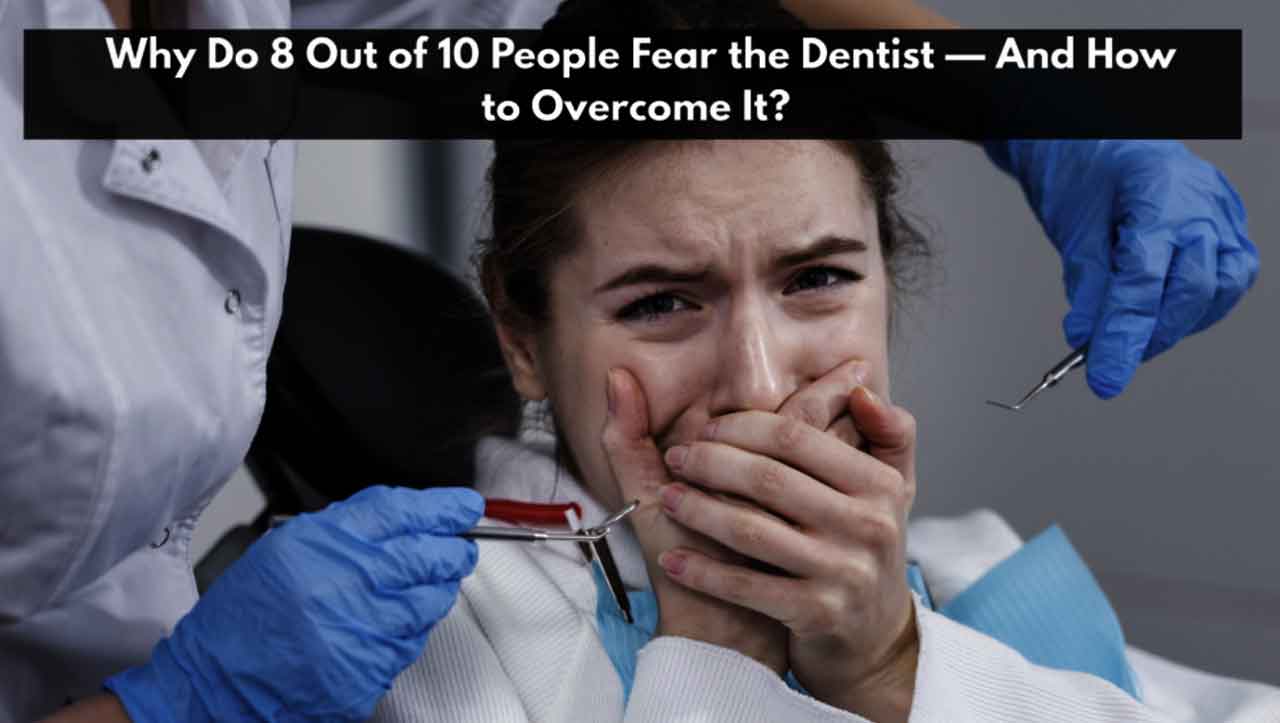
Dental anxiety is a common problem that affects a significant number of people, including nervousness as well as the severe fear of going to a dentist. In fact, almost 8 out of 10 individuals confess to experiencing some extent of anxiety in relation to visiting the dentist.
For some, the mere thought of being in a dental chair may lead to panic or stress. This is mainly derived from negative experiences of the past, anxiety over pain, or the unknown sights, sounds, and feelings that come with having a tooth procedure.
As a result of this fear, avoiding dental visits can be dangerous. Skipping regular check-ups or postponing other required treatments can lead to cavities, gum disease, and other oral conditions that may require more complicated and expensive procedures in the future.
In the long run, these unattended problems may also interfere with one’s confidence, comfort, and well-being. Addressing dental anxiety is essential for maintaining good oral health and ensuring that necessary dental services are not neglected.
To understand more about this and manage it effectively, it is important to explore what makes people feel anxious and what methods may eliminate this fear.
Understanding the Root Causes of Dental Fear

In a busy city like Fort Wayne, people have to manage their work schedules, family, and social activities, leaving them no time to visit a doctor regularly. The availability of timely dental care can be challenging, especially when one must schedule a dentist appointment weeks in advance or when a dental emergency arises.
Such real-life barriers might intensify the fear of going to the dentist, as individuals may worry about the pain of waiting or the uncertainty of treatment. For people experiencing such difficulties, services like a walk in dentist Fort Wayne can be an instant solution, eliminating the need to wait in lines for treatment.
Understanding the causes of dental fear might enable people to cope with their worries and actively protect their oral health. Let’s take a closer look at some of the most common reasons people feel anxious about visiting the dentist.
1. Past Traumatic Experiences
Many individuals end up forming dental anxiety because of bad experiences during childhood or when they previously visited the dentist. Such traumatic experiences may leave long-term impressions and cause increased fear and anxiety of dental treatment.
2. Fear of Pain
The pain expectation during dental procedures is a major factor that causes dental phobia. The judgment of possible discomfort delays the delivery of necessary dental care, even with the development of effective pain management systems.
3. Sensory Triggers
Certain sounds, like the dental drill whirring, the sight of needles or unfamiliar instruments, can cause anxiety to the patient. These sensory stimuli tend to cause fear, making dental visits more difficult.
4. Embarrassment Over Oral Hygiene
Individuals who feel self-conscious about their oral hygiene may avoid visiting dentists because they fear being judged. This embarrassment may prevent them from getting the necessary dental treatment, worsening their existing dental problems.
5. Generalized Anxiety Disorders
For some people, dental fear is part of a broader pattern of anxiety disorders. Patients who experience generalized anxiety will feel intimidated by the dental environment and will become more afraid and avoidant.
Strategies to Overcome Dental Anxiety

Addressing the problem of dental anxiety involves a combination of awareness, preparation, and support. Although dental phobia is not a rare case, several strategies can be applied to make it less frightening and stressful.
Through proactive measures, the patient will gradually develop confidence, lessen anxiety, and ensure that avoidant behavior will not impair their oral health.
The following are some of the useful methods to ease dental fear:
1. Open Communication with Your Dentist
It is important to talk about your fears and concerns with your dentist. A compassionate dentist can adjust the treatment to make it acceptable to you, making the process less fearful.
2. Sedation Options
Sedation dentistry offers several alternatives to help patients relax during procedures. Starting with nitrous oxide (laughing gas) to oral sedatives, such techniques can help people relax and find dental procedures easier.
3. Distraction Techniques
Engaging in distraction activities like listening to music or watching videos during the treatment can also make one forget all about the procedure and alleviate anxiety.
4. Relaxation Exercises
Deep breathing, meditation or progressive muscle relaxation before and during dental visits can be practiced to relax the nervous system and minimize the symptoms of anxiety.
5. Gradual Exposure
Dental phobia and fear could be desensitized by gradually exposing oneself to the dental setting. Simple visits, like consultations or cleanings, can be used to gain confidence and overcome the anxiety as time passes.
6. Support Systems
Emotional support and comfort can be gained by having a close friend or family member with you during dental visits, making the experience less terrifying.
The Importance of Seeking Dental Care
Fearing a visit to the dentist can lead to oral complications that become more severe over time, such as cavities, gum disease, and even tooth loss.
Minor problems that would have been easily managed in the initial stages may escalate to more complex conditions, requiring numerous procedures.
It is necessary to visit a dentist regularly, not only to treat and prevent such issues but also to maintain overall oral hygiene and a confident smile. By managing dental anxiety, it is possible to prevent its impact on the body and take charge of dental health, minimizing the chance of adverse outcomes and enhancing overall well-being.
Conclusion
Dental anxiety is a prevalent problem that can have a major impact on the quality of oral care and the general confidence of the person. By understanding the underlying cause of this fear and employing effective coping measures, people can have more positive and comfortable experiences during dental treatments.
It could be opening up to the dentist, inquiring about sedation, or learning relaxation skills, but regardless, it is necessary to take initiative to deal with dental anxiety. Overcoming this fear not only improves oral health but also enhances the sense of well-being and peace of mind.