Extreme weather events are becoming more common across Canada, and they’re reshaping how homeowners and municipalities think about tree care. From intense windstorms in Ontario to heavy snow loads in the Prairies and heat waves in British Columbia, the country’s shifting climate is creating new risks for urban trees. As a result, many Canadians now search for an arborist near me to assess tree health, prevent property damage, and strengthen long-term safety.
In cities like Toronto, Ottawa, Winnipeg, and Vancouver, local officials are reporting an increase in fallen branches, uprooted trees, and storm-related hazards. These issues highlight the urgency of proper inspections, pruning, and preventive maintenance as part of a modern urban tree-care strategy.
The Growing Impact of Climate Extremes on Urban Forests
Canada’s urban forests are under more stress than ever. Prolonged droughts weaken root systems, strong winds exploit structural weaknesses, and sudden freezing–thawing cycles cause cracks and internal decay. When storms hit, compromised trees are far more likely to fail — posing danger to homes, vehicles, sidewalks, and power lines.
Municipalities across the country now classify extreme weather as one of the top factors accelerating tree decline. This shift has led to increased investment in proactive maintenance, emergency response teams, and updated safety regulations.
Why Preventive Tree Care Matters More Now
For homeowners, preventive care is becoming essential rather than optional. Regular pruning helps trees withstand high winds, while structural assessments can identify hidden decay or instability long before it becomes a problem. Certified arborists also spot early signs of stress caused by drought, pests, soil compaction, and temperature swings.
Preventive care reduces the likelihood of:
- Full tree failures
- Large branch drops
- Root instability
- Emergency removals after storms
These measures protect both people and property — and they often cost significantly less than emergency cleanup.
Canadian Regions Feeling the Biggest Impact
Different parts of Canada face different climate challenges, all of which influence tree-care needs:
Ontario & Quebec:
Severe windstorms and freezing rain lead to significant limb breakage. The 2013 Toronto ice storm still serves as a major lesson for municipalities.
British Columbia:
Heat domes and prolonged droughts cause rapid decline in both native and urban landscape trees.
Prairie Provinces:
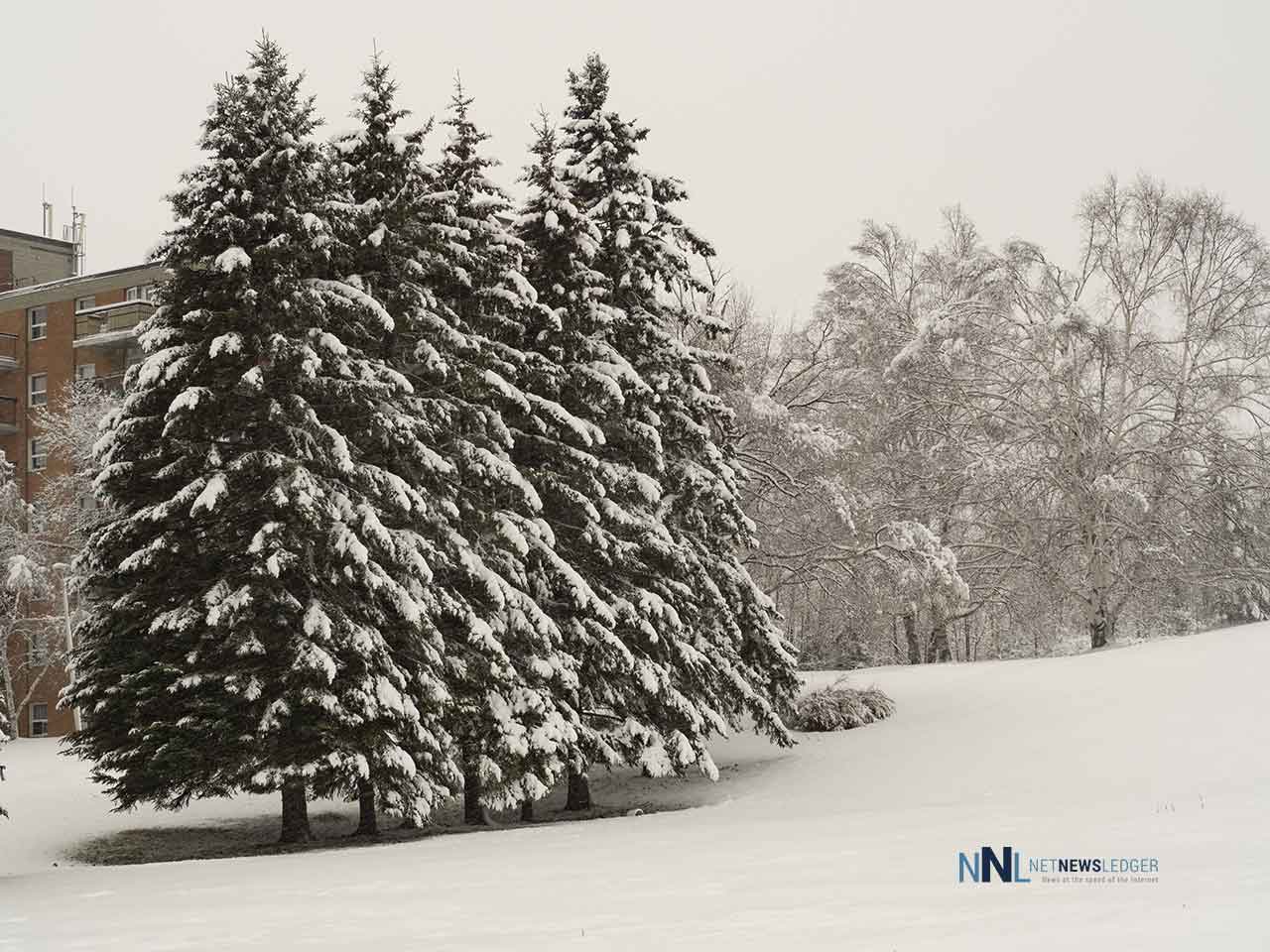
Heavy, wet snow can snap even healthy branches, while early-season storms catch trees before they’ve shed their leaves.
Atlantic Canada:
Hurricanes and post-tropical storms cause uprooting and widespread damage to mature trees.
Emergency Response: A Growing Part of Urban Tree Care
As climate volatility increases, arborist teams across Canada are expanding emergency response services. Homeowners often need immediate help clearing fallen trees, assessing structural hazards, or securing damaged limbs after extreme events.
Fast response prevents secondary damage, especially during heavy rainfall or high winds that follow the initial storm front.
How Homeowners Can Prepare Their Property
To reduce storm-related risks, Canadians are encouraged to take several steps:
- Schedule annual tree inspections
- Remove dead or structurally compromised branches
- Prune for proper weight distribution
- Water young trees during drought periods
- Ensure trees don’t interfere with power lines
- Address pest or disease issues early
These actions improve resilience and significantly lower the chance of storm failures.
The Future of Tree Care in a Changing Climate
Canada’s climate will continue shifting, and so will the demands placed on urban forests. Municipalities are adopting new planting strategies, choosing species better adapted to future conditions, and investing more in long-term maintenance.
For homeowners, staying proactive and building a relationship with local professionals will be key to protecting property and preserving healthy, sustainable urban canopies for generations to come.