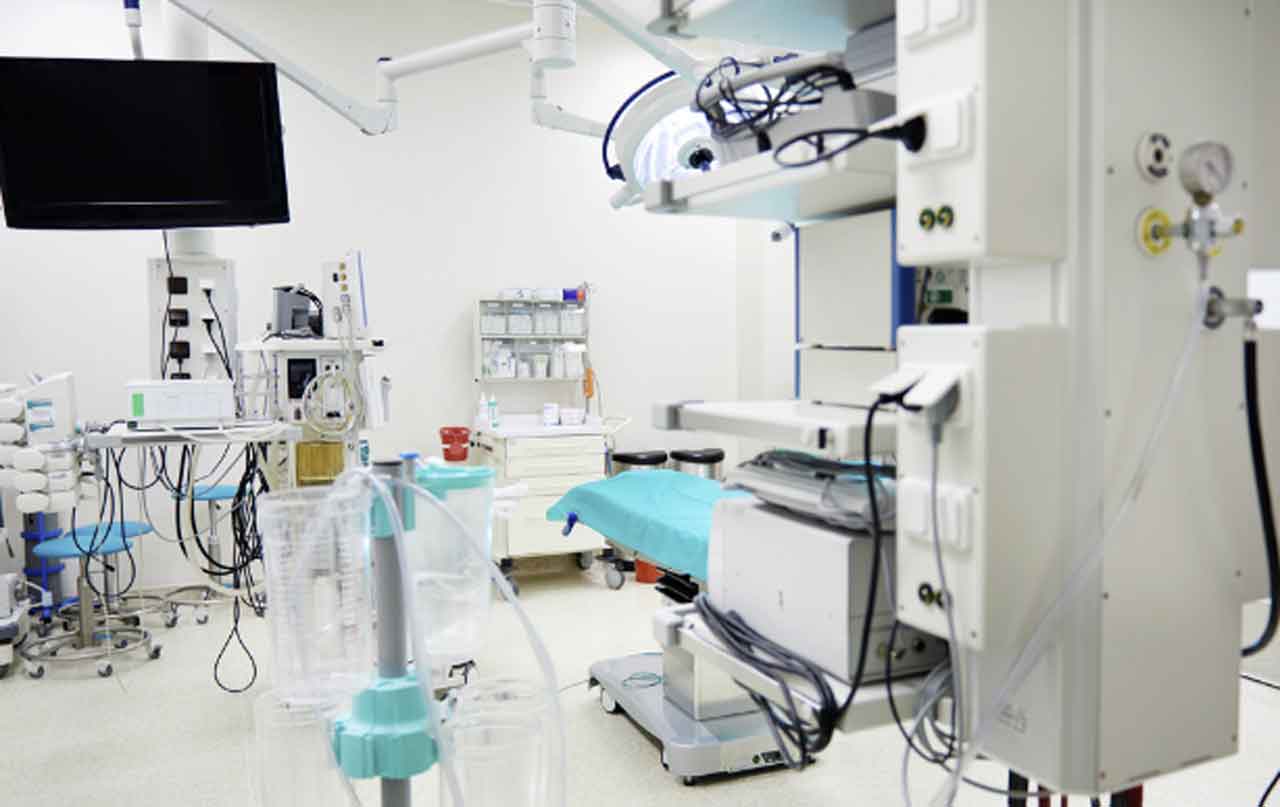
Hospitals and clinics can save money by buying a second-hand CT scanner. However, thorough research is crucial, as not all equipment suits their specific facility. This guide provides some key considerations to assist healthcare providers in making an informed decision when purchasing a used scanner.
Assessing Requirements
It is essential to take the time to understand the facility’s requirements before you start searching. Determine the typical scan types and the expected workload. This analysis will help determine the scanner specifications you will require, such as the number of slices and the speed of the scans. Competitive consideration: Radiologists and technicians are perfect for insights into practical necessities. To expand diagnostic capabilities affordably, you can explore options for a used CT scanner for sale that still meets clinical standards.
Evaluating Scanner Specifications
Specifications are essential for CT scanners, especially when evaluating them. Slice count directly impacts image resolution and scan time. More slices mean more detailed, but potentially more expensive, images. Evaluate if such additional details are needed for the applications. Speed is also a significant consideration in high-volume environments. Faster scanners help boost patient throughput and reduce waiting time.
Inspecting the Age and Use of the Equipment
How old a CT scanner is makes a tremendous difference in its capabilities and longevity. Mature units may miss contemporary features or technology, impeding diagnostic accuracy. Check how often the scanner has been used and the scans done. Frequent use usually means high wear, and using it more frequently requires frequent maintenance.
Inspecting for Physical Condition
A complete mechanical inspection is a must. Inspect it physically for broken parts or signs of wear. It involves analyzing the gantry, table, and control panel. Cables and connectors are essential for operation. Examine the condition of cables and connectors. Request a demo to observe the scanner in action. Seeing it in action can highlight some of the issues.
Reviewing Maintenance Records
Maintenance records speak a lot about a scanner’s condition. If the equipment is being serviced regularly, it reflects that you care for it, and this can increase its life. Search for previous repairs and replacement components. Regular repairs could indicate looming reliability concerns. Ensure you have all the software updates installed and the system running.
Considering Warranty and Support
Frequently used CT scanners may have voided warranties—please review the latest coverage details and timeframe. Some sellers also offer extended support options, making them useful for continued troubleshooting and maintenance. Consider the availability of technical support and parts, as both can also influence the future costs and downtime of repairs.
Comparing Prices
A price comparison is a crucial stage of the buying process. Examine the market pricing of various models to ascertain equitable treatment. Note: A lower price may mean you just have to pay more for repairs or upgrades. Include installation, possible repairs, and maintenance in the purchase budget.
Ensuring Compliance with Regulations
Strict regulations are imposed on medical devices in healthcare facilities. Please verify that the used CT scanner complies with the standards. The process comprises examining to ensure all equipment items are licensed for choice and valuable use. Failure to comply can result in litigation, while adverse effects on patients may occur. Engaging with regulatory experts may help clarify particular specifications.
Preparing for Deployment and Training
After they decide to purchase, make arrangements for installation and staff training. Make sure the facility is prepared to accommodate the scanner in terms of space and electrical needs. Only proper training can ensure operators utilize the equipment most effectively and safely. Certain sellers will also include training sessions with the sale, and that’s a bonus.
Seeking Expert Advice
Consulting with specialists offers some extra peace of mind. Medical imaging consultants or biomedical engineers can provide good information on this technical subject, including what is compatible with it. They can also see the long-term issues that we cannot readily identify.
Conclusion
That is why investing in a used CT scanner is a sensible choice for most healthcare facilities, as it offers a good compromise between cost and performance. The provider can confidently purchase by assessing needs, equipment, and compliance. Careful planning will ensure the scanner optimizes your facility, enhancing patient care and operational efficiency.