A child’s smile is precious, but it doesn’t take much for tooth decay or gum problems to creep in. Sugary snacks, skipped brushing sessions, or even thumb-sucking can quickly affect developing teeth. Parents often do their best at home but still wonder: Am I doing enough to protect my child’s oral health?
The good news is that a paediatric dentist specialises in preventive care, offering practical steps that keep small problems from becoming big ones. By focusing on prevention instead of treatment, families can help their children enjoy healthy, pain-free smiles for years to come.
Why Prevention Matters So Much
Early Issues Can Lead To Bigger Problems
Baby teeth might be temporary, but their health matters. Untreated decay can cause pain, infections, and even affect the way permanent teeth erupt later. Preventing issues early saves discomfort, cost, and time.
Prevention Builds Confidence
When children experience fewer cavities and less dental pain, they associate oral care with comfort rather than fear. This builds trust in the process and reduces resistance to regular visits.
Core Preventive Steps Specialists Recommend
Step 1: Regular Check-Ups
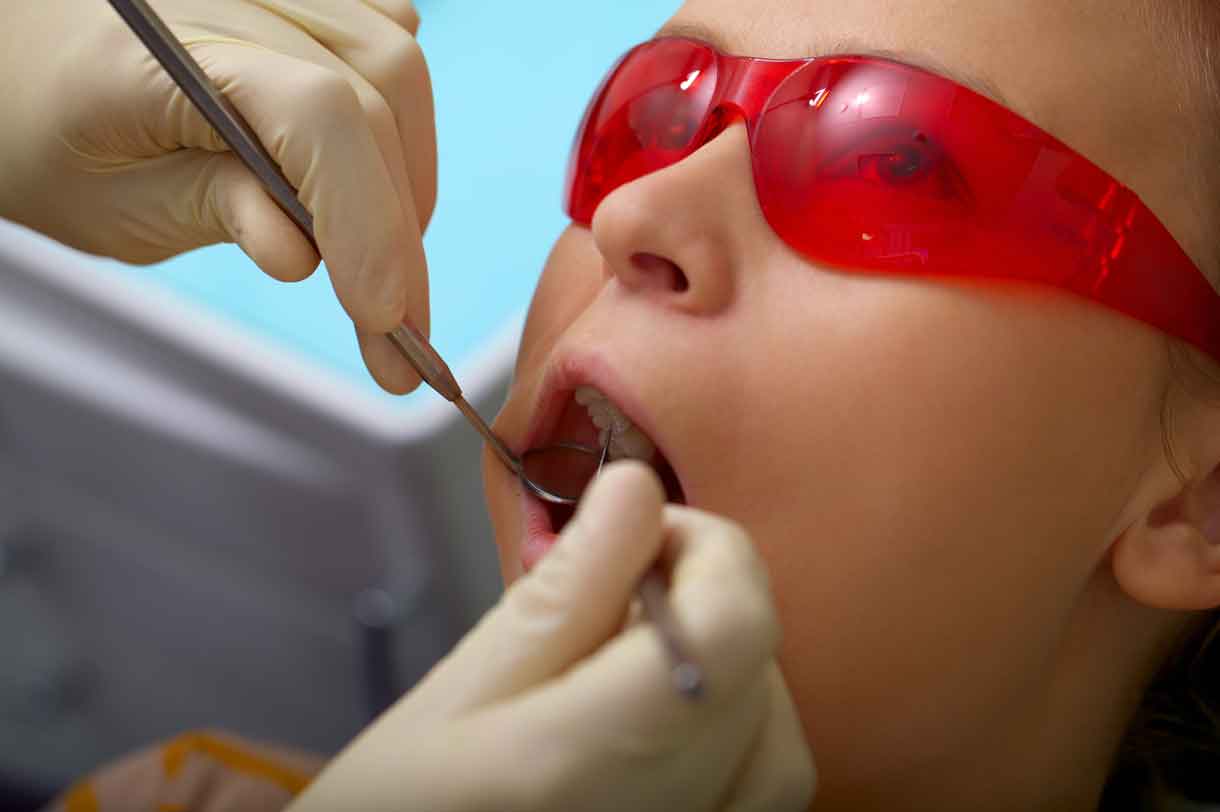
Routine appointments, usually every six months, allow dentists to monitor growth, spot problems early, and clean areas children might miss while brushing.
Step 2: Professional Cleanings
Even the most diligent brushing can’t remove every bit of plaque. Professional cleanings clear away buildup and give children a fresh start for better habits.
Step 3: Fluoride Treatments
Fluoride strengthens tooth enamel, making it more resistant to decay. Simple, painless treatments during check-ups reinforce the benefits of fluoride toothpaste used at home.
Step 4: Dental Sealants
Sealants are thin protective layers applied to molars, shielding the deep grooves where food often gets stuck. This step is quick, safe, and highly effective in preventing cavities.
Everyday Habits That Matter
Brushing Twice A Day
Children should brush for two minutes in the morning and before bed. Parents often need to supervise until their child can reliably clean every surface—usually around age 7 or 8.
Don’t Forget Flossing
Flossing removes food and plaque between teeth, where brushes can’t reach. Starting early builds comfort and routine.
Nutrition Counts
Snacks play a huge role in oral health. Limiting sugary drinks, avoiding sticky sweets, and encouraging fruits, vegetables, and water helps protect teeth.
The Parent’s Role In Prevention
Parents are the coaches of oral health. Encouraging daily routines, celebrating small successes, and keeping appointments on schedule all help children see dental care as a normal part of life. The more engaged parents are, the easier it becomes for children to stay consistent.
Conclusion
Preventive steps are the backbone of healthy teeth. With regular check-ups, cleanings, fluoride treatments, and smart habits at home, families can stop problems before they even start. Parents play a powerful role, but guidance from specialists ensures every child has the strongest foundation possible.
By committing to prevention today, parents protect their child’s future smile—and clinics like Nuffield Dental continue to support families in this essential journey.
Frequently Asked Questions
1. How Often Should My Child Visit The Dentist?
Most children need visits every six months, though some may benefit from more frequent monitoring.
2. Are Sealants Safe For Kids?
Yes, dental sealants are safe, quick to apply, and highly effective at preventing cavities.
3. Do Children Really Need Fluoride?
Yes. Fluoride is proven to strengthen enamel and protect against decay.
4. Should Parents Brush Their Child’s Teeth?
Yes, especially for younger children. Parents should brush or at least supervise until good habits are established.
5. Can Diet Really Make That Much Difference?
Absolutely. Frequent sugary snacks feed bacteria that cause cavities. A balanced diet is key.