First positive rabies result among NWHU-submitted samples in 11 years
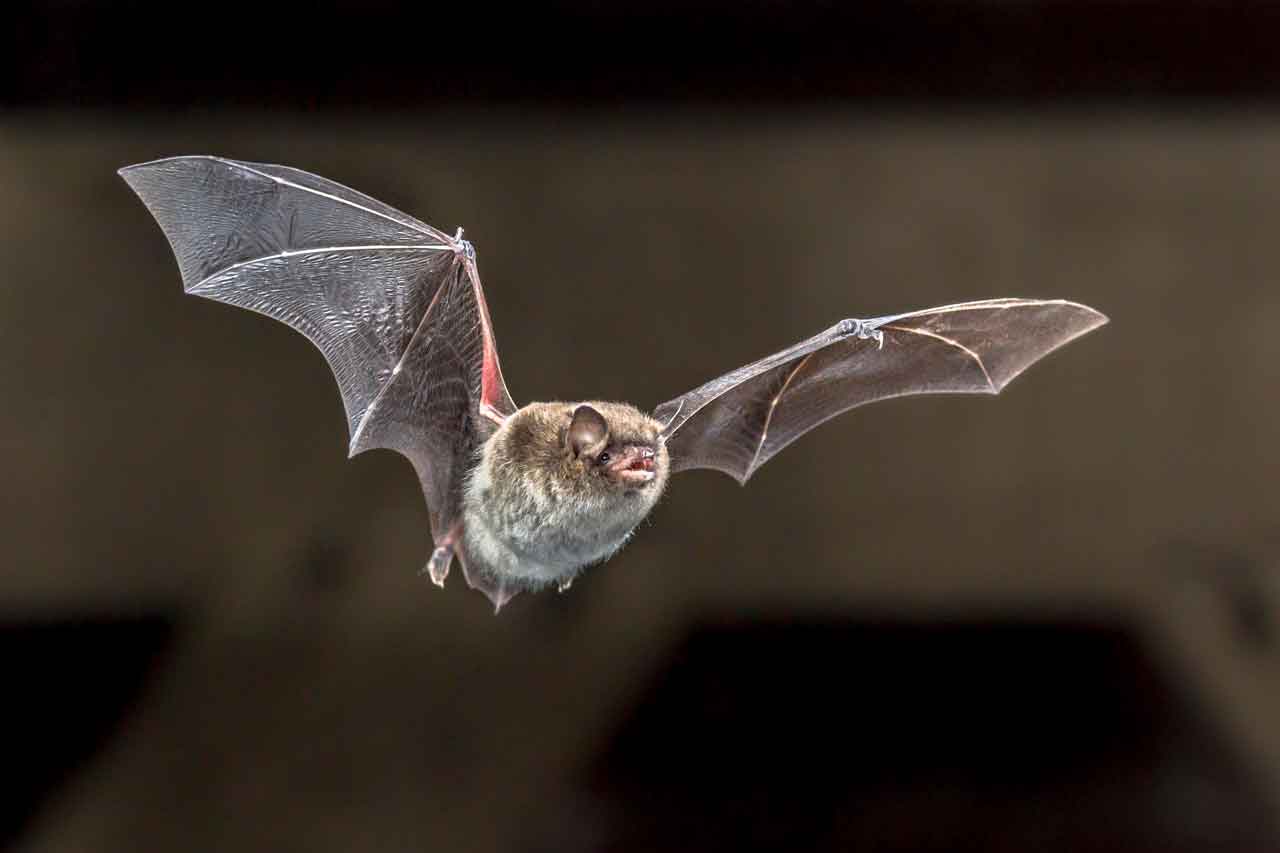
FORT FRANCES – REGIONAL NEWS – September 15, 2025 | NetNewsLedger Regional News Update — The Northwestern Health Unit (NWHU) reports that a bat from the Rainy Lake area, near Fort Frances, has tested positive for rabies.
Rabies is a serious viral disease that attacks the brain and nervous system in animals and people. It spreads through the saliva and nervous system tissue of infected mammals and can be transmitted to people and pets via:
-
Bites from a rabid animal
-
Scratches or open wounds exposed to infected saliva
-
Contact with eyes, nose, or mouth if saliva gets in
Rabies does not spread by touching fur, blood, urine, or feces, and non-mammals (like birds or amphibians) cannot transmit it.
NWHU notes there is minimal wildlife surveillance for terrestrial rabies in the region, which is not considered endemic; however, animal movement can bring the virus into local areas. Over the past 11 years, NWHU has submitted 13 animal samples for testing — five cats, one dog, three bears, three bats, and one striped skunk. The newly confirmed bat is the first positive among those submissions. NWHU also received notice of an Arctic fox that tested positive in February 2025 in the Fort Severn area.
How to Protect Yourself and Your Pets
-
Do not approach, feed, or touch wild or stray animals — even if they appear healthy.
-
Ensure pets and livestock are current on rabies vaccinations.
-
Avoid animals that seem injured, sick, or behaving oddly.
-
If you think you’ve been bitten, scratched, or otherwise exposed, seek medical care promptly to assess the need for preventive treatment.
While the chance of encountering a rabid animal in Ontario is low, rabies is almost always fatal once symptoms begin. Prompt medical attention after a bite or scratch can prevent rabies.
For more information on prevention and local guidance, visit the NWHU Environmental Diseases and Infections resources.