Alstom contract expected to protect Canadian jobs, shield Ontario from U.S. tariffs, and modernize Toronto transit
THUNDER BAY – August 15, 2025 – The Government of Canada, the Province of Ontario, and the City of Toronto have jointly approved a single-source subway contract with Alstom Transport Canada Inc. to supply new trains for Toronto’s Line 2 subway.
The deal, designed to protect against U.S. tariffs and economic uncertainty, emphasizes Canadian-made production and jobs, with Alstom required to maximize domestic content. This contract is a shift away from the TTC’s previous competitive bidding process, which has now been cancelled.
Protecting Canadian Jobs in Transit Manufacturing
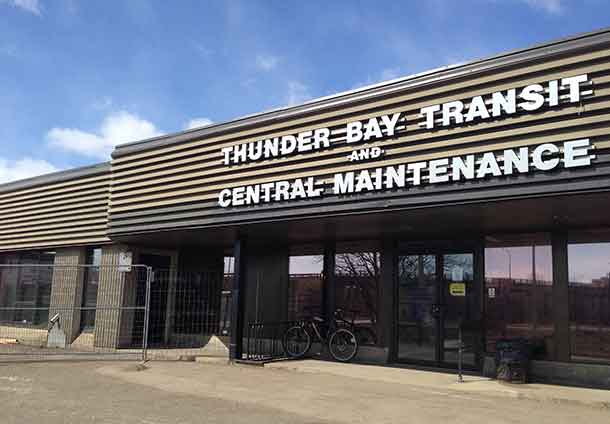
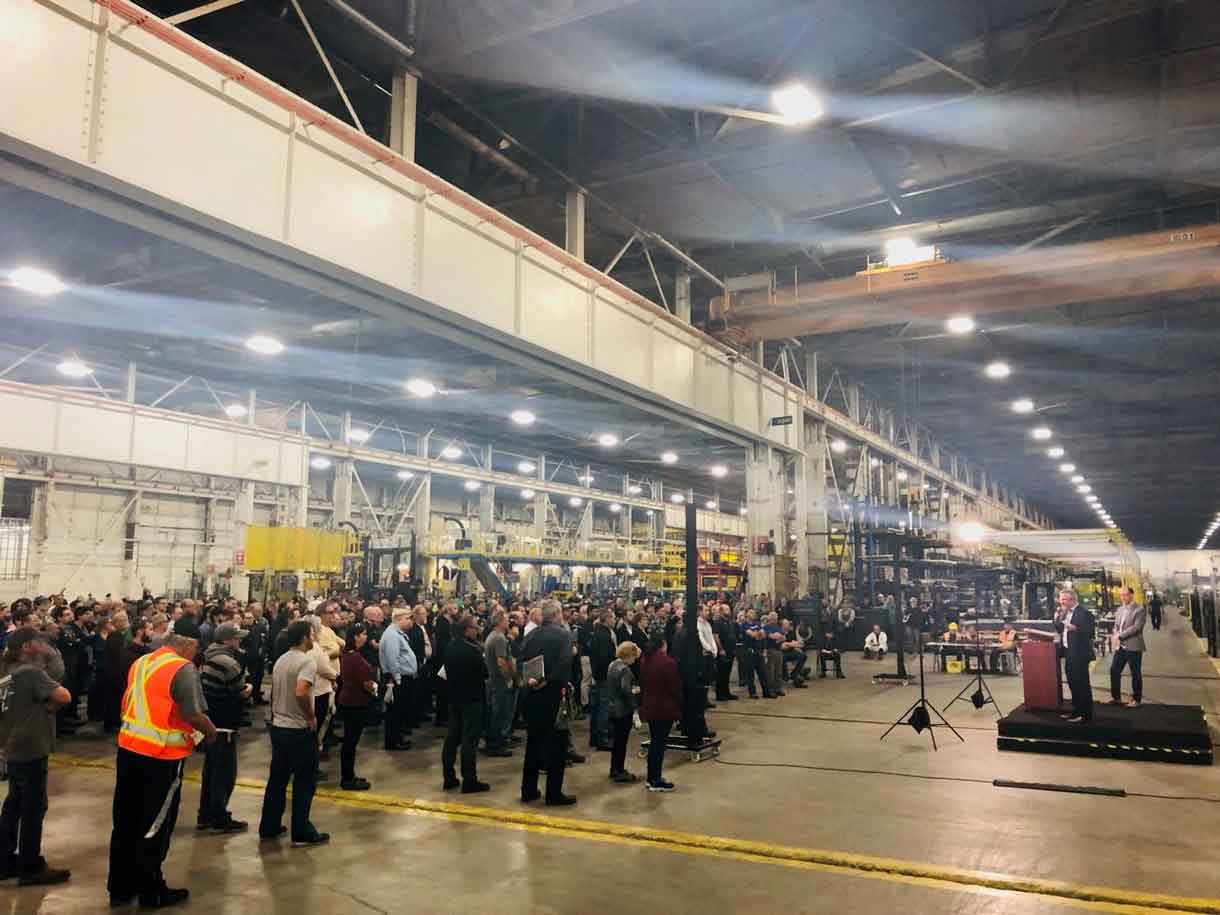
Alstom has a strong presence in Ontario, including facilities in Thunder Bay and Brampton, making the announcement especially relevant for Northwestern Ontario. The move is expected to secure good-paying Canadian manufacturing jobs and strengthen Canada’s transit supply chain.
Alstom must meet several requirements, including:
-
Delivering trains that comply with TTC’s original specifications.
-
Maximizing Canadian content and job creation.
-
Accepting third-party price assessments to ensure fair market value.
Details of the Procurement
The base contract calls for 70 six-car trains:
-
55 trains will replace the aging Line 2 fleet.
-
15 trains are slated for the Yonge North and Scarborough extensions.
Additional trains may be ordered in the future, depending on funding and Alstom’s performance. Negotiations are expected to continue into late 2025, with a report to the TTC Board by year’s end.
A Win for Ontario’s Transit Expansion
The subway procurement aligns with Ontario’s $70 billion investment in the largest subway expansion in provincial history. Federal, provincial, and municipal leaders framed the deal as a “made-in-Canada” solution to strengthen the economy while improving Toronto’s transit reliability.
For Thunder Bay, where Alstom’s plant has long been a major employer in railcar and streetcar production, this decision could provide stability and future work for skilled tradespeople and manufacturing staff.