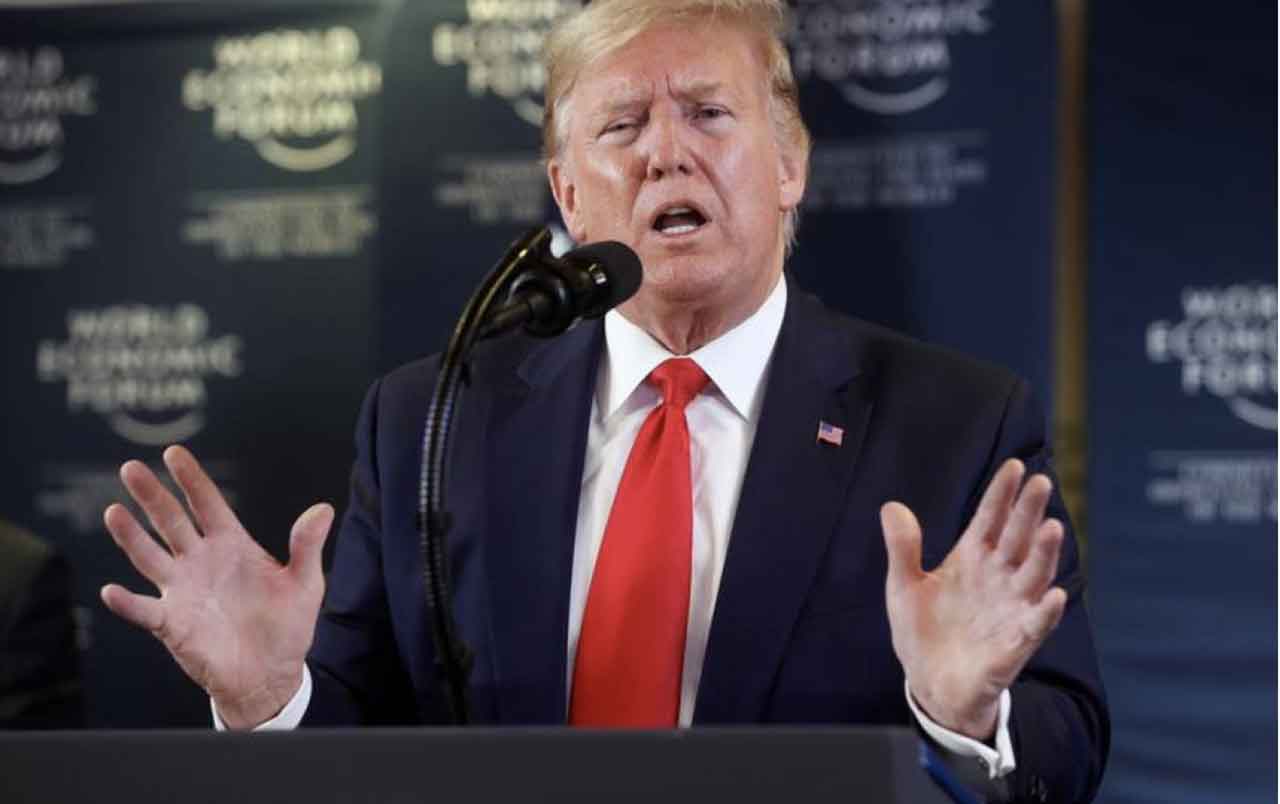
India, Switzerland, South Africa Face Steep New Levies as Trump Reshapes U.S. Trade Strategy — Apple, Nike, and Hasbro Already Raising Prices
Thunder Bay – American consumers have President Trump at record low approval ratings, as the U.S. President continues his tariff war on more and more countries.
Consumers will face, at least in the short term increased prices for products they already are seeing as high in price.
The President’s long-threatened new wave of tariffs came into effect just after midnight Thursday, imposing sweeping import taxes on a wide range of products from dozens of U.S. trading partners.
While some countries have reached temporary frameworks to delay the harshest measures, others — including India, Switzerland, and South Africa — are facing tariffs as high as 50 percent.
The policy shift is already sending shockwaves through international markets and global supply chains, while raising serious questions about economic fallout for U.S. consumers and businesses, including those in Thunder Bay and across Northwestern Ontario, where imported goods and U.S. market access play a key role in trade and retail pricing.
India Hit Hard: 50% Tariffs Spark Market Sell-Off
India, one of the United States’ largest trading partners, was slapped with an immediate 25% tariff on imports, with the rate set to double to 50% within three weeks. The announcement triggered an early drop in Indian stock markets, reflecting widespread concern over the economic implications.
Indian Prime Minister Narendra Modi doubled down on protecting key domestic sectors — agriculture, dairy, and fisheries — stating, “I know personally I will have to pay a heavy price for it. I am ready for that.”
These tariffs could affect Canadian agricultural exports that pass through or rely on Indian supply chains and trade partnerships — including Thunder Bay’s grain and logistics operations, which often intersect with international distribution hubs.
Swiss Tech on the Brink; African Markets Disrupted
In Switzerland, where tech and engineering exports are a cornerstone of the economy, the 39% tariff has been described as an existential threat. Swissmem, the industry’s trade body, warned:
“This horrendous tariff burden will mean the de facto death of the export business of the Swiss tech industry to the U.S.”
Similarly, South Africa’s trade sectors are bracing for major shocks, particularly in mining equipment, wine, and auto parts, which are critical exports to North American markets.
Domestic Fallout: U.S. Consumers Likely to Pay the Price
While the White House insists that foreign producers will absorb the tariff costs, economists widely disagree. Major consumer brands — Nike, Hasbro, Procter & Gamble — have already announced price increases to offset the new levies.
For Canadian retailers and importers, particularly in border communities like Thunder Bay, this could lead to higher wholesale costs, with consumers likely to feel the pinch at the checkout counter — especially for footwear, electronics, and household goods.
Apple and Tech Firms Pivot Production to the U.S.
As part of a broader effort to localize manufacturing, Apple has pledged a $100 billion investment to produce key components like glass and semiconductors in the United States. Trump has promised a 100% tariff on imported chips — unless companies begin setting up domestic production facilities.
“If you’re building in the U.S., there’s no charge — even if you’re not producing yet,” Trump said, flanked by Apple CEO Tim Cook.
This policy may pressure Canadian tech suppliers that rely on U.S. distribution channels and cross-border production, increasing urgency for firms in Ontario and Quebec to consider onshoring or supply chain diversification.
Auto Sector Gets Temporary Relief
Trump has softened earlier tariffs on autos, offering relief from “stacked” duties on entire vehicles, parts, and source materials. This measure was introduced to help manufacturers adapt to the new trade reality — though industry insiders say full compliance could take years.
This could influence Ontario’s automotive industry, including plants in southern Ontario that rely on U.S. component imports and exports — with potential ripple effects on Thunder Bay’s transport and logistics sector.
Legal Challenges Loom Over Tariff Policy
Trump has invoked economic emergency powers to impose the tariffs — a legal move already challenged in U.S. courts. One trade court has sided with critics who claim the White House has overreached its authority.
If the legal tide turns, much of the administration’s tariff agenda could be struck down overnight, disrupting ongoing negotiations and casting uncertainty over global trade relationships.
What It Means for Thunder Bay and Northwestern Ontario
While not directly targeted, the economic consequences of these tariffs are set to trickle down to Canadian businesses, especially those reliant on U.S.-based supply chains, cross-border logistics, and retail partnerships.
With port activity, agriculture, retail imports, and transport infrastructure central to the region’s economy, local stakeholders should monitor:
-
Price fluctuations on consumer goods
-
Supply chain shifts impacting Thunder Bay’s shipping and warehousing
-
Changes in agricultural export pathways, especially to India and South Asia
Final Word
The global tariff war now officially underway may reshape how and where products are made — but consumers and small businesses will likely bear the brunt in the near term. For communities like Thunder Bay, the challenge will be adapting to rising costs and identifying new opportunities in shifting global trade dynamics.