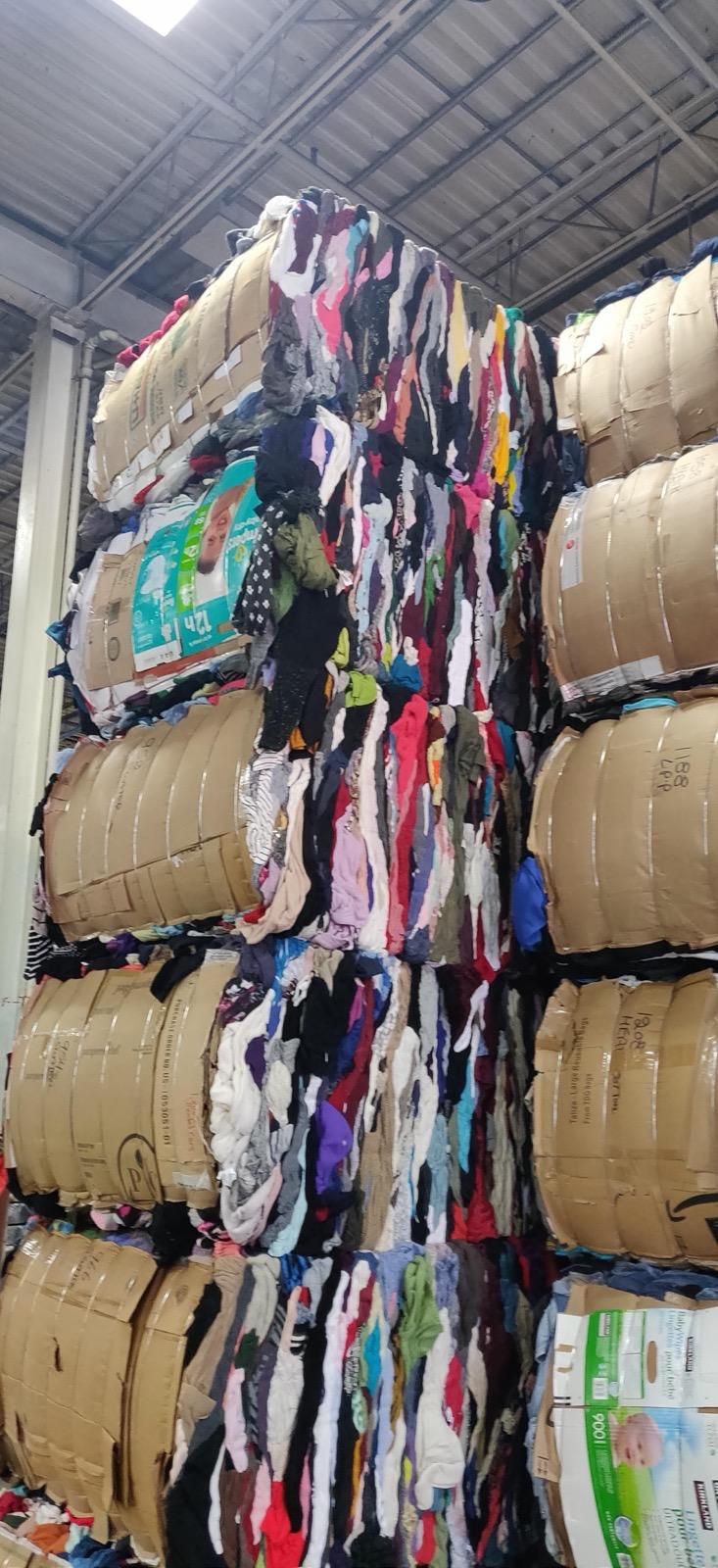
When uniforms or branded samples leave a facility, most companies assume they disappear. In reality, without certified destruction, many of these items resurface in places brands never intended—online resale platforms, gray markets, or worn by individuals with no affiliation to the company.
This recirculation creates risks that extend far beyond waste management. Unauthorized use of branded apparel can lead to impersonation, consumer confusion, and reputational damage. Yet many organizations lack visibility into what happens to textiles after they are “disposed.”
Vespene Recycling was created to eliminate this uncertainty. The Nevada-based facility specializes in certified textile destruction, using industrial shredding to render uniforms and branded goods permanently unwearable. This ensures items are removed from circulation entirely and cannot be resold or misused.
Documentation is central to the process. Vespene provides chain-of-custody records from pickup through final disposition, along with certificates of destruction that offer verifiable proof products have been destroyed. For companies facing increasing scrutiny from regulators, auditors, and stakeholders, this documentation replaces assumptions with accountability.
As regulatory frameworks like California’s SB 707 gain momentum, proof of final disposition is becoming essential. Downcycling into rags or insulation does not meet circular recovery requirements and offers no protection against recirculation. Certified destruction does.
For organizations seeking control over the final stage of their supply chain, the message is clear: if textiles are not destroyed properly and documented, they remain a liability. Certified destruction is emerging as the standard for responsible brand management.