Conservative leader reclaims seat in Parliament after April defeat, securing nearly 80% of the vote
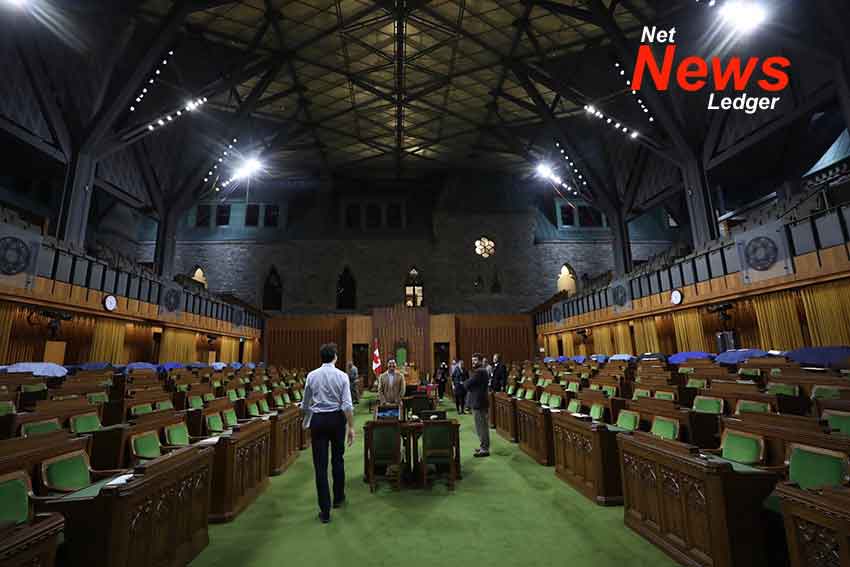
OTTAWA – POLITICS – Conservative Leader Pierre Poilievre is heading back to Parliament after winning a closely watched by-election in Battle River–Crowfoot, central Alberta, late Monday night.
Poilievre, who lost his long-held Ottawa-area seat in April’s general election, secured 79.6% of the vote with most polls reporting. Independent candidate Bonnie Critchley placed second with 10%, followed by Liberal candidate Darcy Spady at 4.6%.
Speaking to supporters in Camrose, Poilievre thanked voters for their trust, calling it “the privilege of my life to serve” and pledging to fight “for the people in this region who feed, power and protect all of Canada.”
A Political Comeback
The by-election win marks a major political comeback for the Conservative leader, who had been sidelined for nearly four months. During that time, former leader Andrew Scheer temporarily took on the role of Opposition Leader in the House of Commons while Poilievre remained outside, relying on press conferences to stay visible.
The riding, one of the safest Conservative strongholds in the country, was vacated by incumbent MP Damien Kurek, who resigned shortly after winning re-election in April to give Poilievre a path back.
“We’re back,” Poilievre’s wife Anaida posted on X shortly after his victory was confirmed.
Campaign Themes and Divisive Issues
On the campaign trail, Poilievre mixed messages of humility and gratitude with familiar Conservative attacks on the Carney Liberals. He pledged to fight inflation, housing prices, immigration pressures, and crime while opposing the government’s zero-emission vehicle sales requirement.
The by-election was also notable for its record-long ballot. Elections Canada reported 213 candidates registered, many affiliated with the Longest Ballot Committee, a protest movement advocating electoral reform. Because of the sheer number of names, Elections Canada used a write-in ballot system for the first time, leading to tallying delays.
Poilievre called the protest “the longest ballot scam” and urged the federal government to introduce reforms to prevent repeat disruptions.
Political Reactions
Analysts described the result as expected, though the margin of victory is being closely parsed ahead of a Conservative leadership review scheduled for January 2026.
Ontario Premier Doug Ford, speaking hours before polls closed, urged Poilievre to work constructively with Prime Minister Mark Carney if he returned to Ottawa: “Let’s put our political stripes aside and start working together collectively on large infrastructure projects.”
Why This Matters Nationally — and in Northwestern Ontario
Poilievre’s return ensures the Official Opposition enters the fall sitting of Parliament with its leader back in the House. His performance could shape debates on housing affordability, cost of living, and national infrastructure, all of which are pressing issues in Northwestern Ontario.