Wildfire Smoke and Your Lungs – A Guide to Protecting Yourself and Your Furry Friends
Thunder Bay – LIVING – Ever sit in front of a campfire and call out “black cat” when the smoke drifts right into you face? As your eyes burn and your lungs struggle, you at least in the case of a campfire have the option to move.
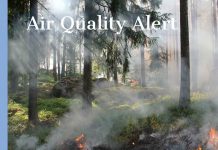
Right now, the wildfire smoke hanging over communities from Kenora to Thunder Bay, and across almost all of Canada has turned the air into a thick, gritty soup, making even a simple stroll around the block feel like a hike through a barbecue pit.
Special Air Quality Statements are in effect across the region, it’s time to talk about what that means — not just for you, but for your four-legged companions too.
Human Health and Smoke – It’s Not Just a Nuisance
Wildfire smoke contains tiny particles — much smaller than a grain of sand — that can sneak deep into your lungs and even enter your bloodstream. Short-term exposure can cause headaches, irritated eyes and throat, coughing, and in some cases, difficulty breathing.
For folks with asthma, COPD, or heart disease, it can trigger serious flare-ups. Seniors, children, pregnant people, and those with chronic conditions are especially at risk.
How to Protect Yourself:
-
Stay indoors with windows and doors shut tight. Create a “clean air room” with an air purifier if you can.
-
Avoid strenuous outdoor activities — no matter how tempting that run or yardwork might seem.
-
Wear a mask if you must go outside — but not just any mask. Use a well-fitted N95 or equivalent respirator that can filter out fine particles.
-
Run air conditioners in “recirculate” mode to avoid drawing in smoky air.
-
Monitor symptoms: If your cough gets worse, you feel chest pain, or you have trouble breathing, seek medical help.
And yes — even if the air looks better, smoke levels can still be high. Trust the air quality index, not your eyes.
Pets Are Suffering Too – And They Can’t Ask for Help
Smoke doesn’t just affect humans — it’s harmful to animals too. Pets, especially dogs, cats, birds, and horses, are vulnerable to poor air quality. If the air irritates your lungs, you can be sure it’s doing the same to theirs.
Protecting Pets:
-
Keep them inside as much as possible. If it’s too smoky for you, it’s too smoky for them.
-
Shorten potty breaks and skip long walks — try to make outdoor trips brief and during cleaner air hours if possible.
-
Watch for signs of distress: coughing, panting, red or watery eyes, unusual lethargy, or nasal discharge are all warning flags.
-
Avoid outdoor exercise: Save that fetch game for a smoke-free day.
-
Keep indoor air clean with HEPA filters or well-maintained HVAC systems.
Birds are particularly sensitive — even low levels of smoke can be dangerous. Keep their cages far from windows and provide clean, filtered air.
Rural and Remote Communities – Extra Precautions Needed
In more remote areas of northwestern Ontario, many homes rely on wood stoves or don’t have air conditioning, which complicates indoor air quality control. In these situations:
-
Use portable HEPA air purifiers where possible.
-
Create makeshift air filters using box fans and furnace filters if supplies are limited.
-
Check on neighbours and elders — especially those without transportation or health supports.
When the Smoke Clears – Don’t Let Your Guard Down
Air quality can change fast. What’s safe in the morning might be risky by afternoon, and vice versa. Check Environment Canada’s Air Quality Health Index (AQHI) frequently and follow local guidance. Just because the sky looks a bit clearer doesn’t mean it’s time to break out the running shoes or the dog leash.
One Last Puff of Advice
Stay alert, stay inside, and when in doubt — take a break. Resting indoors isn’t laziness, it’s lung preservation. Whether you’re human, hound, or hamster, everyone deserves a breath of clean air — and maybe a nap with the windows closed.