Are you tired of spending countless hours maintaining your pool while watching your energy bills soar? Traditional pool cleaning methods have long been a source of frustration for pool owners, demanding significant time and resources without delivering consistent results. The core problem lies in conventional cleaners that lack the sophisticated technology needed for truly efficient and thorough cleaning.
Enter the world of advanced automatic pool cleaner vacuums – innovative solutions that are revolutionizing pool maintenance through cutting-edge technology. These smart devices leverage artificial intelligence, advanced circulation systems, and intelligent path optimization to transform the pool cleaning experience from a burden into a seamless, automated process.
In this comprehensive guide, we’ll explore how modern pool cleaning technology maximizes efficiency through intelligent path optimization and high-powered circulation systems. You’ll discover how these innovations not only save time and energy but also provide superior cleaning results. Whether you’re a tech-savvy homeowner or a pool maintenance professional, understanding these advancements is key to achieving optimal pool care with minimal effort.
The Evolution of Pool Cleaning Technology
Pool cleaning technology has undergone a remarkable transformation since the early days of manual pool maintenance. What began with simple hand-held nets and basic vacuum heads has evolved into sophisticated robotic systems that operate autonomously. The 1960s saw the introduction of the first automatic pool cleaners, which relied on the pool’s pump system to move randomly across the pool floor. By the 1990s, robotic cleaners emerged with independent motors and basic programming capabilities.
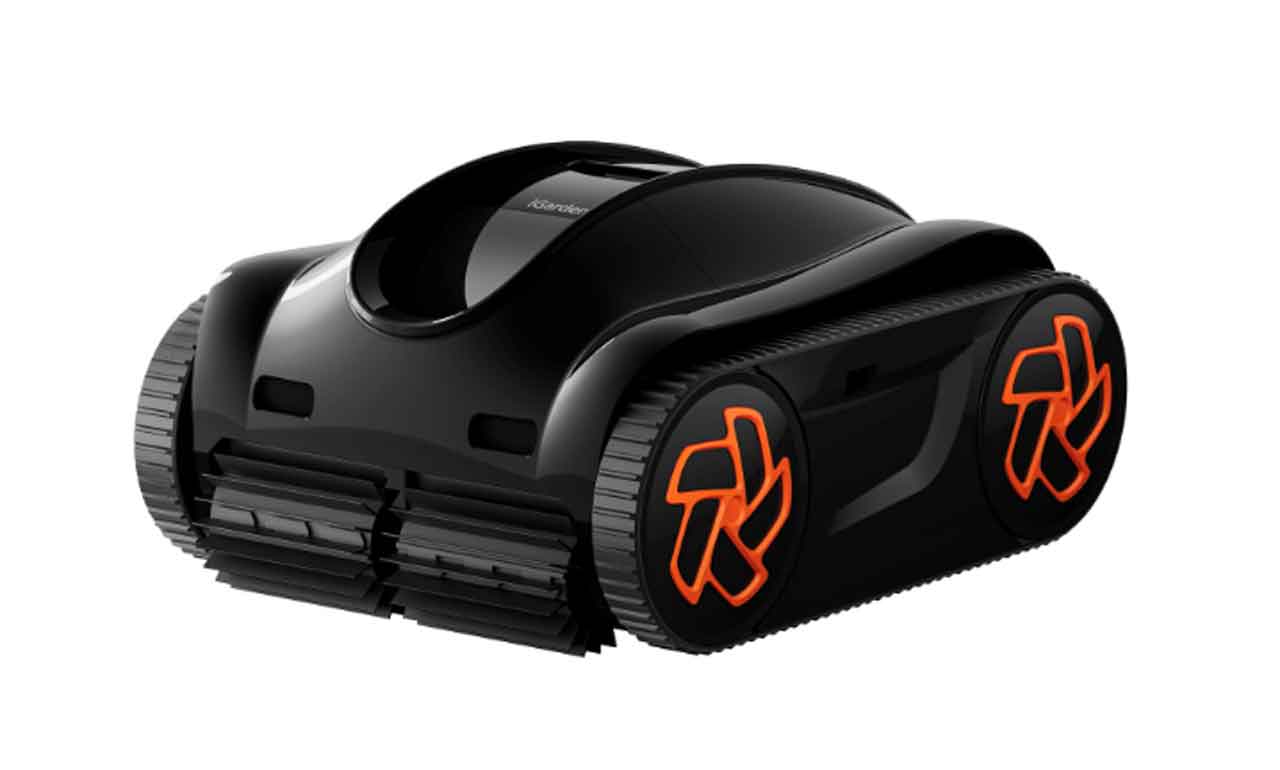
Today’s landscape reflects a dramatic shift toward smart, connected devices that integrate seamlessly with home automation systems. Modern pool cleaners like the iGarden Smart Series feature WiFi connectivity, smartphone controls, and advanced sensors that adapt to changing pool conditions. This technological evolution addresses the growing demand from tech-savvy homeowners who seek efficient, hands-off solutions for pool maintenance.
The emphasis on efficiency matters more than ever, as pool owners face rising energy costs and increasing environmental awareness. Smart pool cleaners can reduce energy consumption by up to 83% compared to traditional systems, while cutting cleaning time by more than half. This combination of time and energy savings makes advanced automatic pool cleaners an essential investment for the modern pool owner.
Intelligent Path Optimization Explained
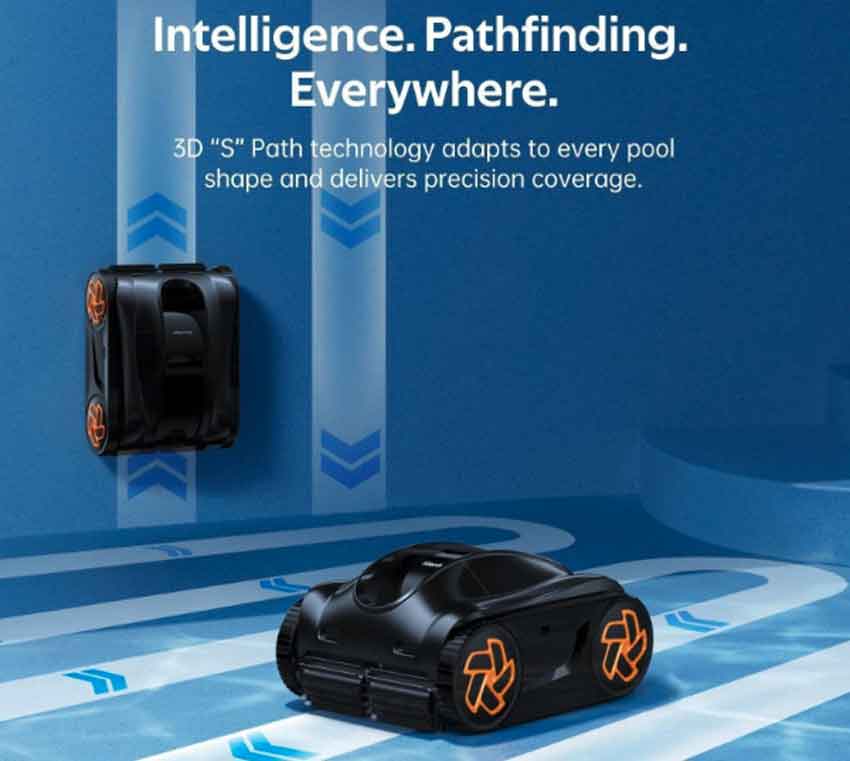
At the heart of modern pool cleaning efficiency lies intelligent path optimization – a sophisticated AI-driven navigation system that revolutionizes how automatic pool cleaners operate. These systems create detailed digital maps of pool layouts, accounting for every curve, depth change, and obstacle. Unlike traditional cleaners that move randomly, smart cleaners analyze this data to determine the most efficient cleaning route.
Efficiency Benefits
The primary advantage of intelligent path optimization is the elimination of redundant coverage. Advanced algorithms ensure each area is cleaned exactly once, preventing wasted energy on repeatedly covering the same spots. These systems also recognize different surface textures, automatically adjusting cleaning patterns for optimal results on various materials – from smooth plaster to textured aggregate finishes. This adaptive approach ensures thorough cleaning while minimizing unnecessary wear on the equipment.
Real-World Applications
Recent case studies demonstrate remarkable improvements in cleaning efficiency, with smart cleaners completing full cleaning cycles up to 40% faster than traditional models. A notable example is a large community pool that reduced its cleaning time from 6 hours to just 3.5 hours while achieving superior results. These systems seamlessly integrate with existing smart home platforms, allowing users to monitor cleaning progress, adjust schedules, and receive maintenance alerts through their smartphones. The technology also enables remote troubleshooting and performance optimization, ensuring consistent efficiency throughout the cleaner’s lifecycle.
High-Powered Circulation Systems
Energy Efficiency Balance
High-powered circulation systems form the backbone of efficient pool cleaning by maintaining optimal water movement and filtration. These systems work by creating powerful water flows that suspend particles and debris, preventing them from settling on pool surfaces. Modern circulation systems integrate seamlessly with variable speed pumps, automatically adjusting flow rates throughout the cleaning cycle to maximize energy efficiency while maintaining effective cleaning power. The systems intelligently balance water turnover rates, typically achieving complete pool water circulation every 6-8 hours while using up to 90% less energy than traditional single-speed systems.

Debris Handling Capabilities
Recent independent testing demonstrates remarkable improvements in debris removal efficiency. Advanced circulation systems can effectively capture and remove 99.8% of particles as small as 2 microns, while handling larger debris like leaves and sand without clogging. Flow rate analysis shows that smart circulation systems maintain consistent suction power even as the filter accumulates debris, unlike conventional systems that experience significant power drops. The latest models feature adaptive pressure sensing that automatically adjusts flow patterns when encountering heavy debris loads, preventing system strain while ensuring thorough cleaning. This intelligent adaptation results in 30% faster debris removal compared to standard circulation systems, while maintaining optimal energy consumption levels.
Optimizing Your Cleaning Routine
Step-by-Step Efficiency Setup
Setting up your advanced pool cleaner for maximum efficiency begins with the crucial initial mapping procedure. Start by ensuring your pool is properly balanced and free of major debris. Allow the cleaner to perform its first mapping cycle without interruption, typically taking 2-3 hours to create a detailed digital blueprint of your pool’s unique layout. For optimal results, program cleaning schedules during off-peak energy hours, typically between 10 PM and 6 AM, when power rates are lower and there’s minimal pool usage.
Maintenance Protocols
Regular maintenance is essential for sustained cleaning efficiency. Clean the filter cartridge weekly during peak season, or whenever the performance indicator shows reduced flow. Inspect the brushes monthly for wear, ensuring they still make firm contact with pool surfaces. Pay special attention to the wheels and tracks, removing any tangled debris that could impair movement. Check sensor windows bi-weekly, wiping them clean with a soft cloth to maintain accurate navigation. For optimal longevity, store the unit in a shaded, dry area when not in use, and conduct a thorough system diagnostic check at the start of each swimming season to identify any potential issues before they affect performance.
Replacement-Only Policy Advantages
Implementing a replacement-only policy for pool cleaner components represents a significant shift from traditional maintenance approaches. This strategy focuses on replacing parts only when they truly fail or reach the end of their operational life, rather than following arbitrary maintenance schedules. By monitoring component performance through integrated sensors and diagnostic tools, owners can make data-driven decisions about replacements, resulting in substantial cost savings over time.
The environmental impact of this approach cannot be understated. By avoiding premature part replacements, the replacement-only policy significantly reduces electronic and mechanical waste. Analysis shows that extending component life cycles by just 30% can decrease the overall environmental footprint of pool maintenance by up to 25%. This approach also ensures optimal performance by maintaining the integrity of working systems rather than disrupting them with unnecessary replacements.
Most importantly, this policy helps maintain consistent suction power throughout the cleaner’s lifetime. When components are replaced based on actual wear rather than scheduled intervals, the system maintains peak efficiency levels. Studies indicate that cleaners operating under replacement-only policies maintain 95% of their original suction power even after three years of operation, compared to just 70% for those following traditional maintenance schedules.
Future Innovations in Pool Cleaning Technology
The future of pool cleaning technology is rapidly evolving toward even more autonomous and intelligent systems. Self-diagnostic capabilities are becoming increasingly sophisticated, with emerging systems able to predict maintenance needs before issues arise. These predictive systems use machine learning algorithms to analyze patterns in water flow, motor performance, and cleaning efficiency, automatically scheduling maintenance when needed.
AI learning capabilities are advancing beyond basic path optimization to include real-time adaptation to changing pool conditions. Next-generation cleaners will feature enhanced sensors that can detect variations in water chemistry, temperature, and turbidity, adjusting their cleaning patterns accordingly. This dynamic response system ensures optimal cleaning performance while minimizing energy consumption.
Perhaps most exciting is the integration of automated water chemistry management. Future pool cleaners will likely incorporate built-in water testing capabilities, working in tandem with smart dosing systems to maintain perfect water balance. This holistic approach to pool maintenance promises to revolutionize the industry, creating truly self-maintaining pool systems that require minimal human intervention.
The Future of Smart Pool Maintenance
The revolution in pool cleaning technology through intelligent path optimization and high-powered circulation systems has transformed what was once a time-consuming chore into an efficient, automated process. These advanced systems deliver unprecedented cleaning effectiveness while significantly reducing energy consumption and maintenance requirements. Smart navigation capabilities ensure complete pool coverage without redundant cleaning, while sophisticated circulation systems maintain optimal water quality with minimal energy usage.
For tech-savvy homeowners, the investment in advanced automatic pool cleaners translates to substantial time and cost savings. The combination of AI-driven cleaning patterns, smart scheduling, and automated maintenance monitoring creates a truly hands-off solution that maintains pristine pool conditions year-round. By following the optimization and maintenance protocols outlined in this guide, pool owners can maximize their system’s efficiency and extend its operational lifespan.
As we look toward future innovations in pool cleaning technology, the integration of predictive maintenance and automated water chemistry management promises even greater advances in efficiency. Take the first step toward smarter pool maintenance by implementing these recommendations and experience the difference that modern pool cleaning technology can make in your daily life.