Oil prices jump as Iran conflict deepens, raising cost concerns for Canadians and Northwestern Ontario
Thunder Bay – NEWS – Global oil prices surged Monday as fighting involving Iran intensified, briefly pushing crude close to $120 US a barrel before prices pulled back later in the day. Even with that retreat, the spike is fuelling new concerns about higher fuel costs, inflation and supply disruptions that could be felt in Canada, including in Thunder Bay and across Northwestern Ontario.
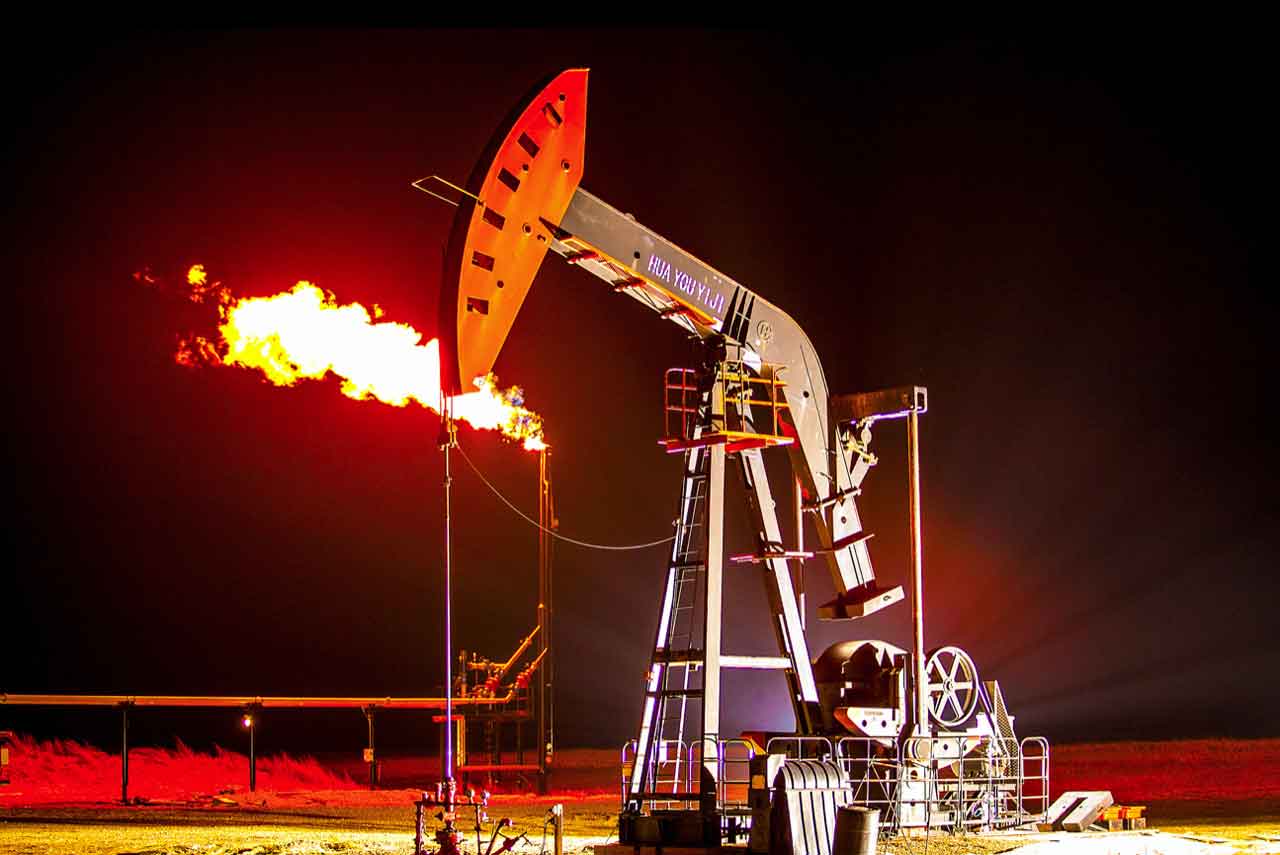
Brent crude, the global benchmark, climbed as high as $119.50 US per barrel before easing to about $106 US, still roughly 14 per cent higher on the day. West Texas Intermediate, the main U.S. benchmark, also rose above $119 US before slipping back to around $103 US.
Middle East strikes raise fears over oil supply and shipping
The sharp market reaction came as the conflict began hitting major energy-related infrastructure in the region.
Bahrain accused Iran of striking a desalination plant that supplies drinking water, while the country’s national oil company declared force majeure after a refinery complex caught fire during an attack. At the same time, Israeli strikes reportedly hit oil storage sites in Tehran overnight.
The war, now in its second week, has heightened fears because several countries in the region are central to global oil production and transport. A major focus is the Strait of Hormuz, a narrow shipping route bordered by Iran through which about 15 million barrels of oil a day normally pass — roughly one-fifth of the world’s supply.
Missile and drone threats have already slowed tanker traffic through the strait. Some producers, including Iraq, Kuwait and the United Arab Emirates, have reportedly reduced output because they are unable to move as much crude to market.
Why Canadians will feel the impact
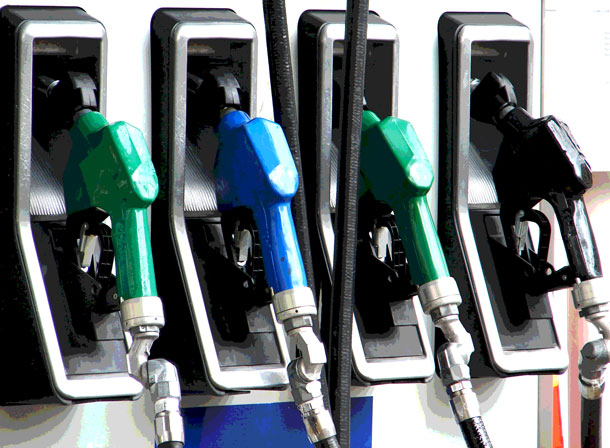
For Canadians, higher crude prices usually show up first at the pumps. Gasoline and diesel prices can rise quickly when global oil markets tighten, especially if traders believe supply risks will last. That matters in a country where many families depend on personal vehicles for commuting, school drop-offs and daily errands.
In Northwestern Ontario, the impact can be especially sharp. Long driving distances, commercial trucking routes and heavy reliance on diesel for transportation mean higher fuel costs can ripple through household budgets and business operations faster than in large urban centres with more transit options.
If oil prices remain elevated, Canadians could face:
higher gasoline and diesel bills;
rising grocery costs as transportation becomes more expensive;
increased air travel costs, including regional flights;
added pressure on home heating and other energy-linked expenses; and
broader inflation that affects everything from consumer goods to construction materials.
Regional effects for Thunder Bay and Northwestern Ontario
Thunder Bay is a transportation and supply hub for Northwestern Ontario, so any sustained increase in fuel prices can have wider regional consequences.
Higher diesel costs can raise expenses for trucking firms moving food, retail goods and industrial supplies into the city and beyond. That can be particularly significant for remote and northern communities, where many essentials already cost more because of distance and limited supply routes.
The region’s resource sectors could also feel the squeeze. Mining, forestry and related service industries rely heavily on fuel for equipment, hauling and shipping. Higher operating costs can erode margins, delay spending decisions and add to pressure on already expensive supply chains.
Cross-border trade may also become more costly. Thunder Bay businesses that depend on goods moving through the United States or by Great Lakes and highway corridors could face rising transportation charges if fuel markets remain volatile.
Inflation risks return to the forefront
The oil price surge is also reviving concerns about inflation worldwide.
In the United States, average gasoline prices rose sharply over the past week, while diesel and natural gas prices also moved higher. That matters for Canada because North American fuel markets are closely connected, and increases south of the border can spill over into Canadian pricing.
Higher oil prices can also complicate central bank efforts to keep inflation under control. If energy costs stay high long enough, they can feed into the price of food, shipping, travel and manufactured goods, adding another burden for households already managing high living costs.
Asia faces immediate pressure as import dependence grows
Many Asian economies are seen as especially vulnerable because they rely heavily on oil imports from the Middle East. In parts of Southeast Asia, the sudden jump in prices has already led to long lines at gas stations as drivers rush to fill up.
That demand shock underscores how quickly fears in oil markets can spread beyond the conflict zone. When a key shipping corridor such as the Strait of Hormuz is threatened, the effects are felt globally — not only by oil producers and traders, but by consumers buying fuel, groceries and everyday essentials.
Markets look to G7 and strategic reserves
Prices eased somewhat after reports that G7 countries may consider releasing oil from strategic reserves to stabilize markets if conditions worsen. France’s president said tapping emergency reserves is among the options under discussion if prices continue rising.
Such a move could help calm markets in the short term, but much depends on whether the conflict expands further or begins to disrupt supply on a larger scale.
For now, the retreat from the day’s peak offered some relief. But with oil infrastructure under threat and one of the world’s most important shipping routes under pressure, the risk of renewed price spikes remains high — and Canadians may soon see that reflected in the cost of daily life.