Thunder Bay – News – Thunder Bay is getting those unmistakable early-spring hints. Merla Mae is hiring, garden centres are gearing up, and after a long winter, people are starting to look for reasons to believe the season is shifting.
Another major sign of the year turning isn’t on land at all—it’s out on Lake Superior and in the Thunder Bay harbour.
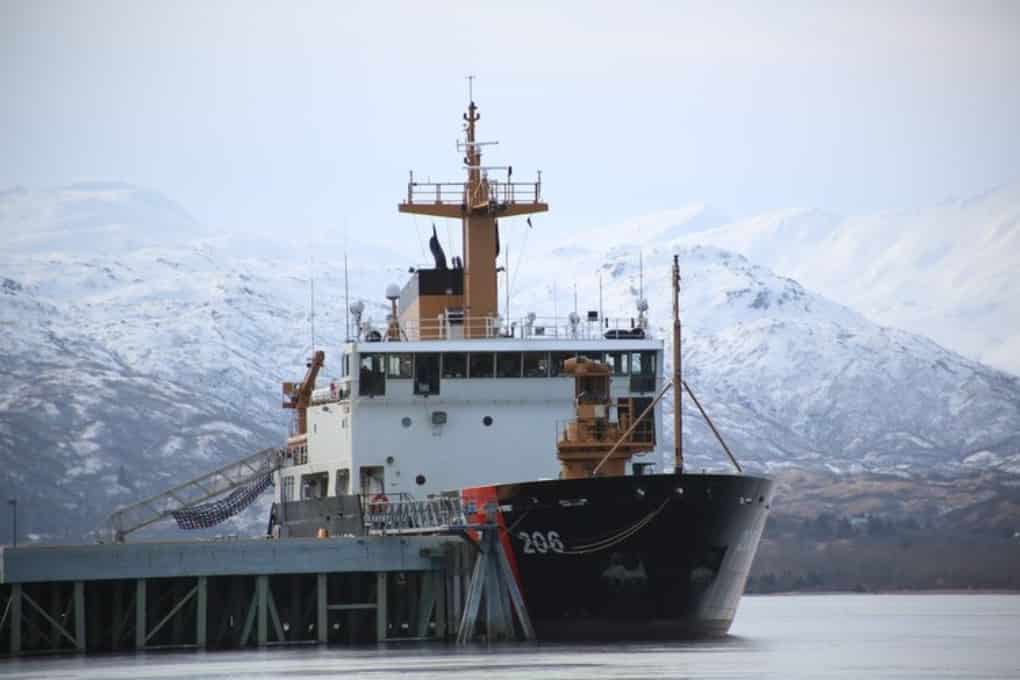
In an advisory dated March 12, 2026 (Ottawa — National Defence / Canadian Coast Guard), the Canadian Coast Guard says the U.S. Coast Guard Cutter SPAR (USCGC Spar) is expected to conduct icebreaking operations near Thunder Bay, Ontario, on or around March 14. The goal is straightforward: break harbour and channel ice so commercial vessels can safely navigate in and out of the area. The timing may change depending on weather or operational requirements.
What’s Happening in the Thunder Bay Harbour
Icebreaking Planned Around March 14
According to the Canadian Coast Guard advisory, the USCGC Spar will work near Thunder Bay to open up ice so scheduled commercial traffic can move safely.
Important note: the date is subject to change—ice conditions, wind, and operational needs can shift plans quickly.
Shipping Season Safety
Icebreaking is a key step in helping commercial vessels reach port safely. It reduces the chance of ships becoming stuck, limits hull damage risk in thick or shifting ice, and helps keep shipping lanes moving as the season transitions.
Canada–U.S. Cooperation on the Great Lakes
The Coast Guard also notes that icebreaking on the Great Lakes is delivered through close cooperation between the Canadian and United States Coast Guards, coordinating vessels as needed to support safe movement through shipping channels and community harbours.
Ice Safety Warning: This Is the Dangerous Part
Broken Tracks and Ridging Don’t “Heal” Quickly
The Canadian Coast Guard is clear: it can be very dangerous to venture onto the ice, especially after icebreakers or large vessels pass through.
Icebreakers can leave behind:
-
Broken and fragmented ice tracks
-
Ridging (piled-up ice that can be unstable)
Those areas may not freeze over immediately, and unsafe ice can remain long after the icebreakers have left.
Fresh Snow Can Hide the Worst Hazards
New snowfall can mask ship tracks and broken ice, making it hard to see where the ice is unsafe—especially for anyone walking, snowmobiling, or using the ice for recreation.
What Residents Can Expect
-
More open water and broken ice in and around shipping routes
-
Ice conditions that can look “fine” from shore but be unsafe up close
-
Changing conditions if winds shift ice around the harbour
If you’re heading near the waterfront, treat it like an active work zone: observe from a safe distance and assume ice is unstable where vessels have operated.
In Summary
Thunder Bay is seeing clear signs of spring, including renewed hiring and garden centre preparations—plus a major sign in the harbour. The Canadian Coast Guard advises USCGC Spar will conduct icebreaking near Thunder Bay around March 14 to support safe commercial shipping. Residents are urged to stay off ice, as broken tracks and ridging can remain dangerous and fresh snow may hide hazards.