Pilot aims to strengthen local care, reduce medical travel, and support community-led health services
CAT LAKE, ON — Feb. 10, 2026 — Cat Lake First Nation (ᐱᔑᐎᓴᑲᐃ ᑲᓂᒃ) is partnering with TytoCare to introduce an advanced diagnostic virtual care model intended to improve access to healthcare in one of Northern Ontario’s most remote communities.
The program centres on community-led delivery, with a focus on cultural alignment, local decision-making, and clinical quality in fly-in and ice-road-only regions where access to physicians and diagnostic services can be limited.
Bringing diagnostic tools to the community
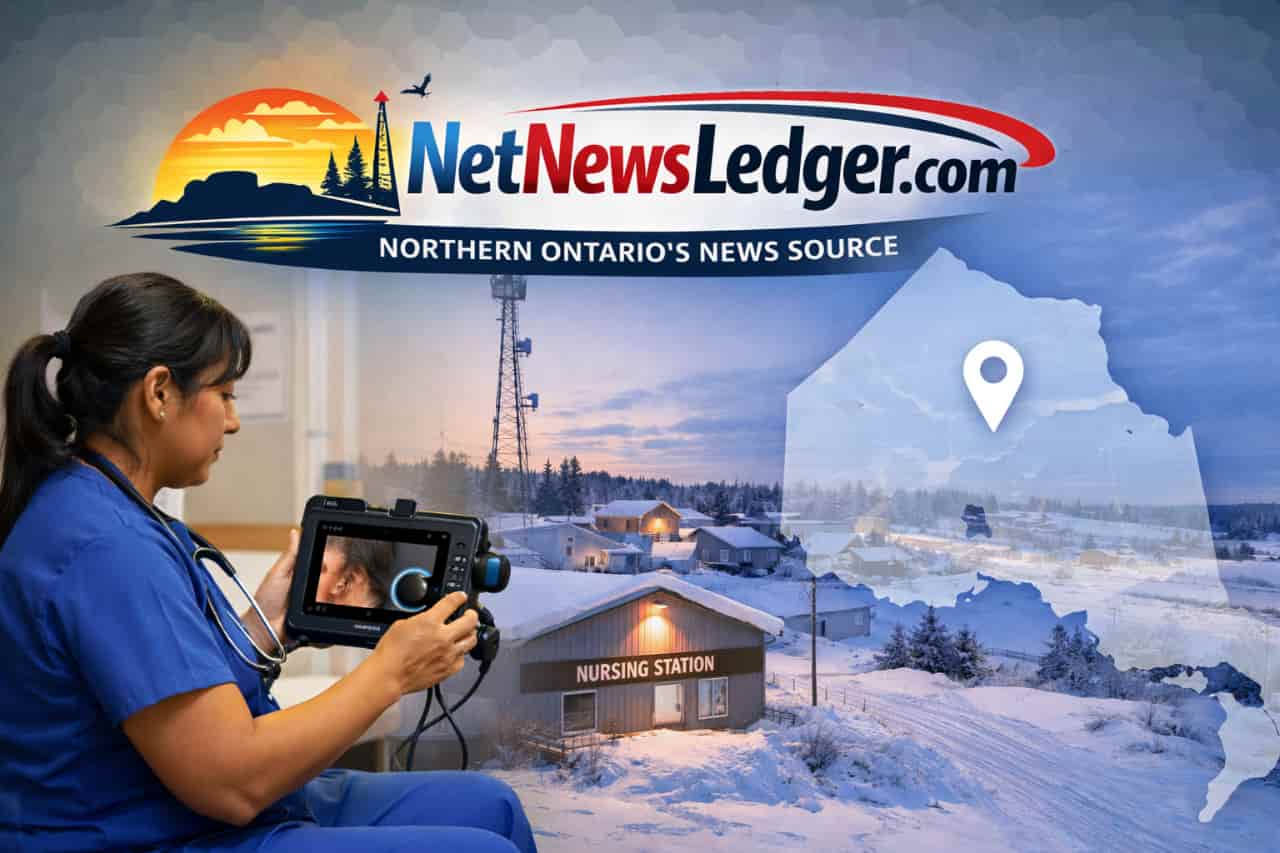
TytoCare’s Pro Smart Clinic system is designed to support remote clinical exams that can approximate in-person assessments, including heart and lung checks, throat and ear exams, skin assessments, and temperature measurement. The company says the platform’s AI-enabled lung assessment tools can help clinicians detect abnormal lung sounds during remote visits.
By expanding the range of assessments that can be done locally, the initiative is intended to support faster diagnosis and treatment without relying solely on travel to larger centres.
How care will be delivered
Cat Lake First Nation plans to deploy multiple TytoClinic units across new and existing care pathways. Physicians from Sioux Lookout Regional Physician Services are expected to provide remote physician coverage, with on-the-ground support from Indigenous Services Canada nursing staff and a local Community Health Worker at the community’s nursing station.
Evaluation and oversight
A three-phase evaluation — planning, implementation, and impact — is being led by the Centre for Digital Health Evaluation (CDHE) at Women’s College Hospital and the Thunder Bay Regional Health Research Institute (TBRHRI), using the Canadian Network for Digital Health Evaluation (CNDHE) framework. Organizers say the evaluation is intended to align the pilot with national standards and inform possible expansion.
Reducing medevacs and travel burden
Remote First Nations without year-round road access often face difficult choices when urgent care is needed, including costly and disruptive medical evacuations. Project partners say enhanced diagnostic capacity in-community could help reduce unnecessary travel while improving continuity of care closer to home.
“This project reflects a fundamentally different approach to virtual care,” said Joe Brennan, Vice President at TytoCare, pointing to the model’s community leadership and focus on clinical rigour.
Chief Russell Wesley said the technology is intended to move beyond basic telehealth by supporting direct physician communication and enhanced monitoring. He emphasized the importance of reliable local care in a community without year-round road access and described the initiative as a model that could inform other Nishnawbe Aski Nation communities.
TytoCare says this is its first public sector project in Canada.